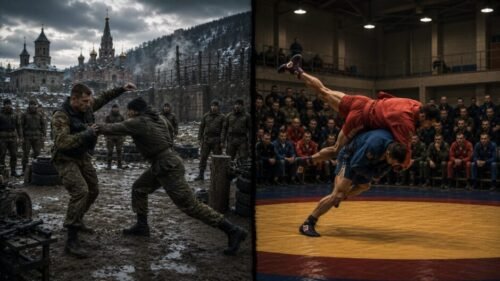
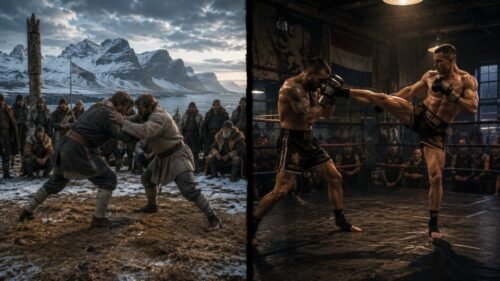
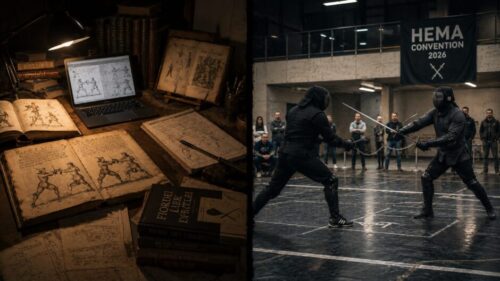
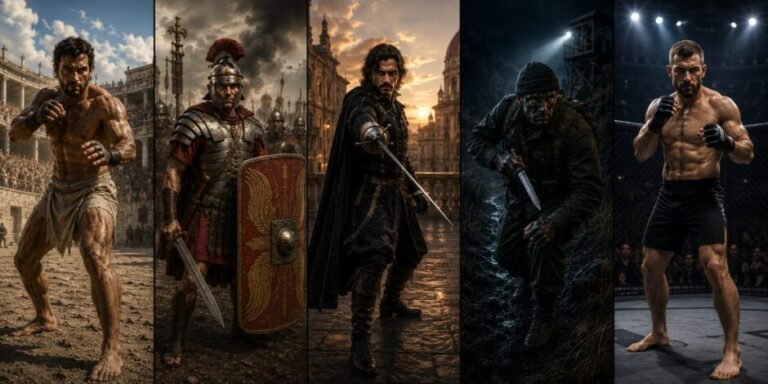
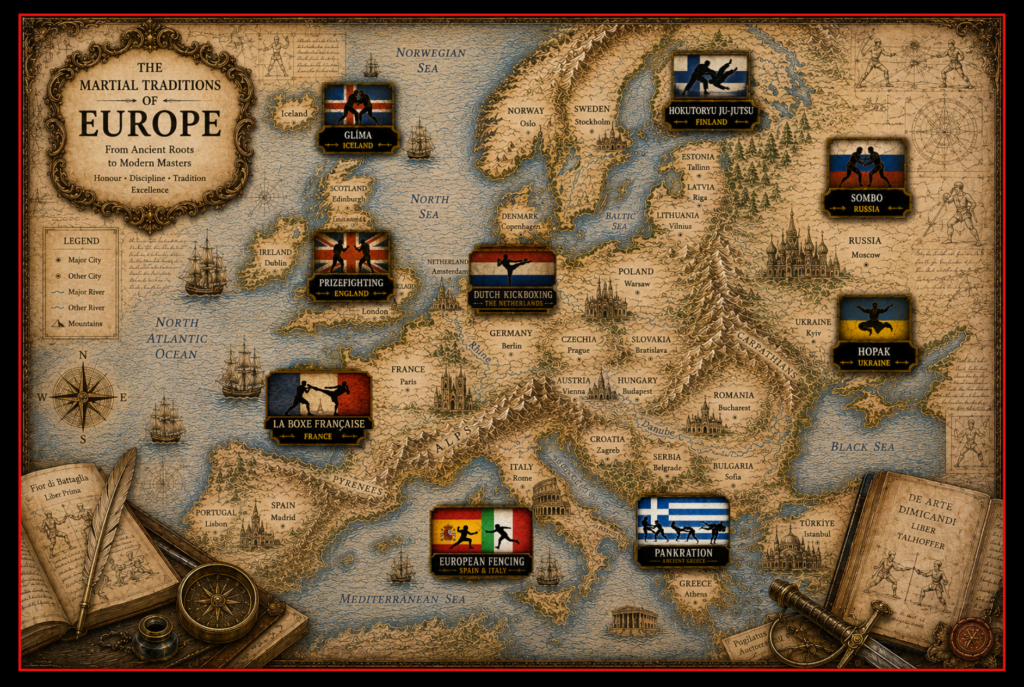
From boxing and wrestling to fencing, military combatives, and modern combat sports, Europe’s martial traditions are among the most diverse in the world. This guide explores the systems, cultures, and combat philosophies that shaped European fighting across the centuries.
Table of Contents
🏛 Introduction
European martial arts are often overshadowed by the better-known traditions of Asia. Yet Europe possesses one of the richest and most diverse martial heritages in the world.
From the wrestling styles of Northern Europe and the boxing traditions of Britain to the fencing masters of Italy and Spain and the combat systems of Russia, European martial arts evolved in response to warfare, duelling, sport, and survival. Some systems survived intact, some evolved into modern combat sports, while others disappeared and are now being reconstructed through historical research and live training.
This series explores the major martial traditions of Europe, examining their origins, training methods, cultural significance, and modern relevance.
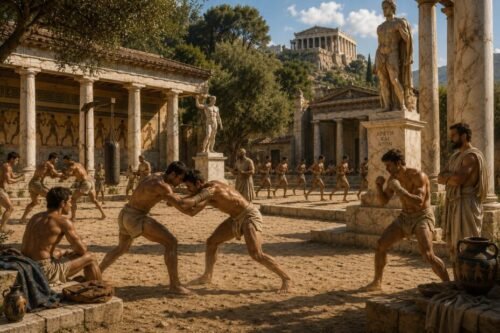
Long before modern gyms, combat sports, and martial arts schools, the Greeks developed some of Europe’s earliest organised systems of physical training. Wrestling, boxing, and athletic competition helped establish foundations that continue to influence martial culture today.
🧱 How to Use This Guide
This is a hub page. Each section below links to a dedicated article covering a particular region or aspect of Europe’s martial heritage.
Use it based on your interests:
Boxing, wrestling, and combatives → British Isles
Fencing, knife arts, and duelling culture → Southern Europe
Sambo, Systema, and combat sports → Eastern Europe
Wrestling traditions, Viking influences, and Dutch kickboxing → Northern Europe
Lost and revived martial arts → Reconstructed Arts & Revival Systems
Want the complete historical timeline → Evolution of European Combat
Each section of this guide explores a different region, tradition, or chapter in the story of European combat.
🌍 The European Martial Landscape
Before exploring individual regions, it helps to understand the major categories that appear throughout European martial arts.
Combat Sports: Boxing, Savate, Dutch Kickboxing, Sambo, and other competition-based systems.
Grappling & Wrestling: Regional wrestling styles focused on control, throws, and submissions.
Military & Self-Defence Systems: Practical systems developed for soldiers, security personnel, and civilian protection.
Reconstruction & Revival: Arts rebuilt from historical manuals, records, and surviving traditions.
These categories frequently overlap, but they provide a useful framework for understanding Europe’s martial heritage.
🧭 Explore the Series
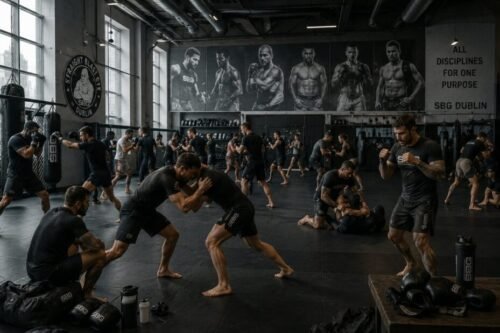
From boxing rings and wrestling pits to duelling halls, military training grounds, and modern MMA gyms, Europe’s martial traditions took many different forms. Explore the articles below to discover the people, systems, and ideas that shaped the continent’s fighting arts.
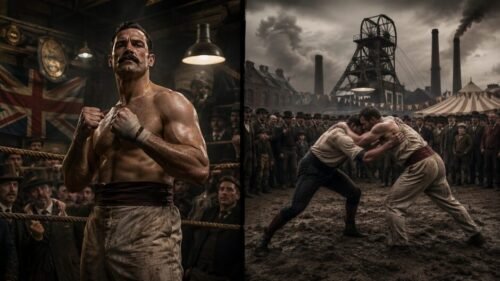
🇬🇧 British Isles — Boxing, Wrestling & Combatives
From bare-knuckle prizefighting and Catch Wrestling to Irish stick fighting and wartime combatives, the British Isles produced some of the world’s most influential combat systems. Built around pressure-testing, practicality, and competition, these arts helped shape modern boxing, grappling, self-defence, and combat sports across the globe.
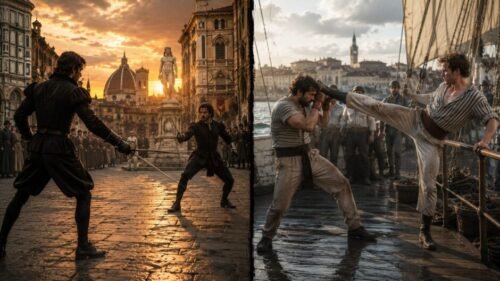
From the Olympic arenas of Ancient Greece to the fencing schools and duelling grounds of Renaissance Europe, Southern Europe developed some of the continent’s most sophisticated fighting systems. Their influence can still be seen today in fencing, combat sports, and martial arts around the world.
🇷🇺 Eastern Europe — Sambo, Combat Systems & Wrestling Traditions
From traditional wrestling styles and Cossack combat culture to Sambo, military combatives, and modern hybrid systems, Eastern Europe produced some of the toughest and most influential martial arts in the world. Their emphasis on practicality and performance continues to shape combat sports, self-defence, and military training today.
🏔️ Northern Europe — Wrestling, Fencing & Combat Sports
From Viking-era wrestling traditions and medieval German martial systems to Dutch Kickboxing and modern hybrid arts, Northern Europe has produced a rich martial heritage rooted in leverage, control, and competitive testing. These systems continue to influence combat sports, self-defence, and historical martial arts today.
While many martial arts survived through continuous practice, others were lost to history and had to be rediscovered. From HEMA and Modern Pankration to revived fencing and weapon traditions, this section explores how practitioners are bringing Europe’s forgotten combat systems back to life.
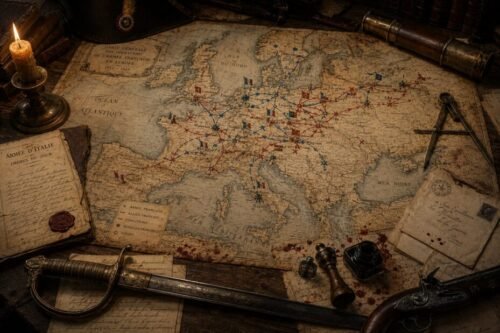
This companion article traces the story of European combat from the ancient world to the present day, exploring how warfare, technology, sport, and society shaped the continent’s martial traditions. From Greek Pankration and Viking shield walls to Renaissance duels, bayonet warfare, modern combat sports, MMA, and HEMA, it ties together the themes and systems explored throughout this series.
Although many of these systems were originally designed for battlefields, duels, or self-defence, their value extends far beyond their original purpose. They preserve history, culture, and traditions while continuing to develop qualities such as discipline, fitness, technical skill, and resilience.
Many modern combat sports, military systems, and self-defence methods can trace their roots back to these traditions. Whether through boxing, wrestling, Sambo, MMA, HEMA, or historical research, European martial arts remain a living part of Europe’s cultural heritage.
The weapons may have changed. The lessons often remain.
🧠 Closing Perspective
European martial arts were never a single tradition. They evolved independently across different regions, shaped by geography, warfare, social structures, and cultural values.
Some became sports. Some remained practical combat systems. Some disappeared and had to be reconstructed.
Although the methods have evolved, the purpose remains much the same. Modern martial artists continue to test themselves through training, competition, and self-improvement, carrying forward a tradition that stretches back thousands of years.
Together, they form one of the most diverse martial landscapes in the world, offering a unique window into both the history of combat and its continued evolution today.
If you have enjoyed this post please share or feel free to comment below 🙂