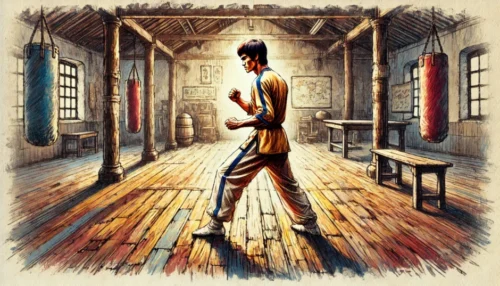
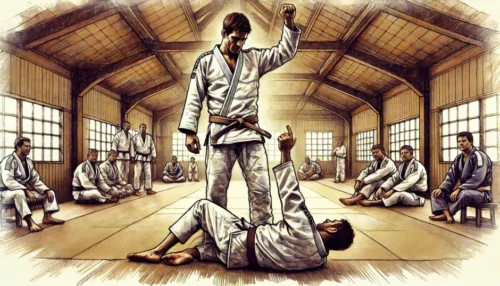
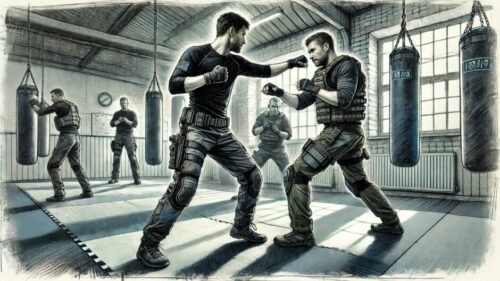
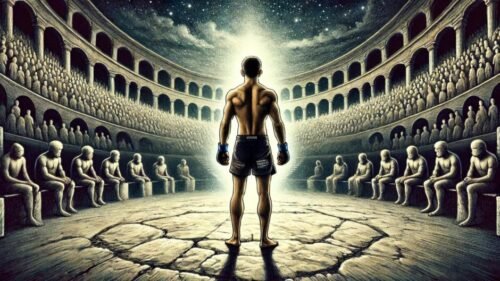
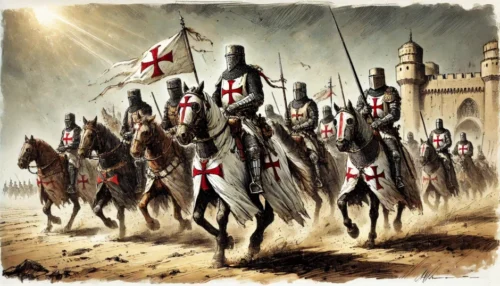
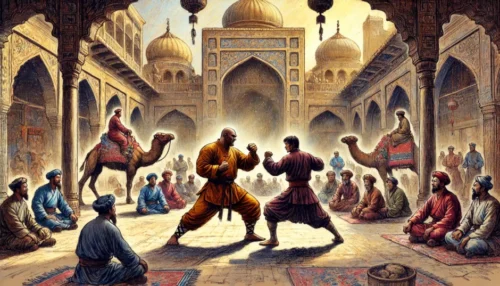
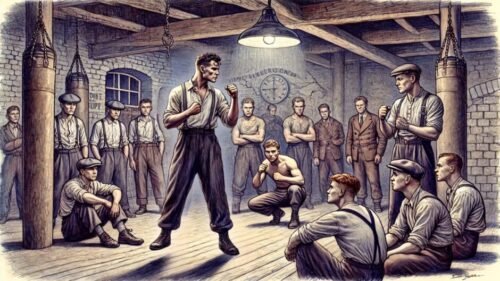
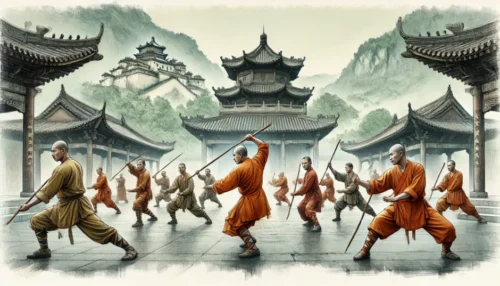
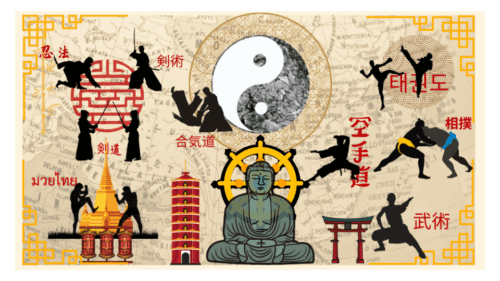
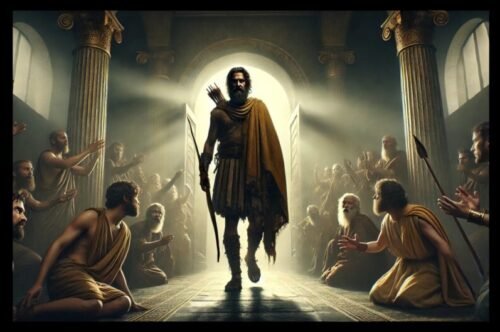
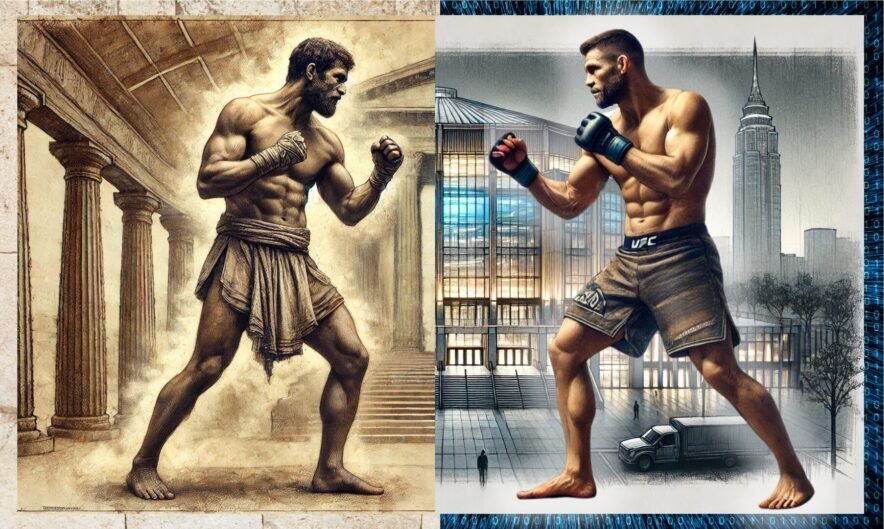
🔥 Join us on an epic journey through 12,000 years of martial evolution—spanning continents, cultures, and civilisations. From the survival struggles of prehistoric tribes to the tactical brilliance of modern MMA, discover how warfare, self-defence, sport, and philosophy shaped the world’s martial traditions—and, in turn, the history of humanity.
Table of Contents
📖 Introduction
A History of Violence
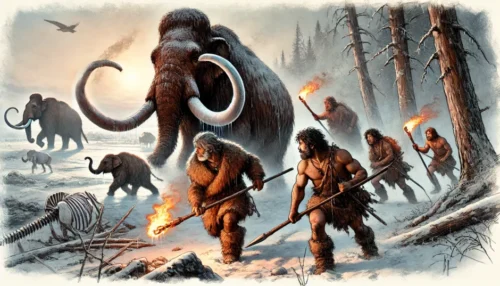
We humans can be a turbulent bunch. Our history is marked by rival tribes, warring nations, and factions clashing over land, resources, and pride. So it’s no surprise that fighting methods steadily evolved—refined not just for violence, but for efficiency and survival. Long before Sun Tzu wrote about deception or Themistocles orchestrated battlefield strategy, primitive warbands had already learned this truth: cunning, coordination, and terrain often beat brute strength.
To survive in a world of wild beasts and hostile rivals, early humans banded together, crafted weapons, and developed tactics that gave them an edge. This ability—and our handy opposable thumbs 😄—helped us rise as the dominant species. In human-on-human conflict, the same rules applied: those with better organisation, smarter tools, and sharper thinking usually came out on top.
As effective techniques were tested and passed down, the best fighters became mentors. Their students added new ideas, and slowly, entire martial systems took shape—built not just on muscle, but on mindset, adaptability, and the will to endure.
🔄 Adapting to Changing Circumstances
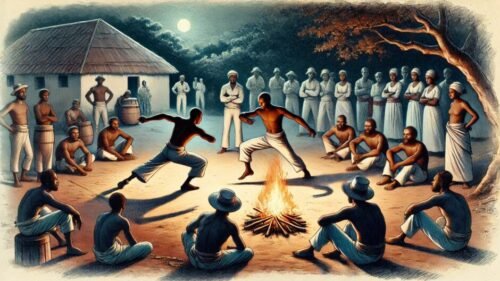
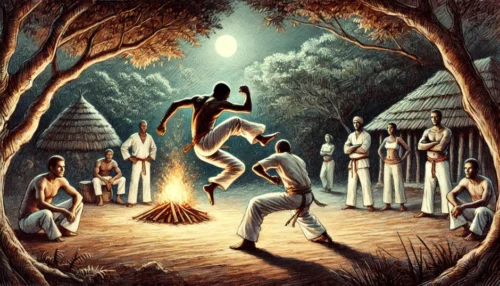
Many of the world’s fighting systems evolved under unique pressures—shaped by oppression, limited resources, or the demands of their environment. A style’s development often hinged on the enemies it faced and the weapons available. Shaolin monks, for instance, honed their staff techniques to fend off wolves, using long poles to create distance from claws and teeth. Capoeira, meanwhile, emerged from the resilience of enslaved Africans in Brazil, who masked their combat training with music and rhythmic movement to evade punishment. What began as deception grew into a powerful blend of art and survival.
As warfare changed and technology advanced, martial arts were forced to adapt—or fade. Some evolved into precise systems with clear combat advantages, while others stagnated or vanished altogether. The story of martial arts is, at its core, a story of transformation—driven by necessity, creativity, and the constant pressure of conflict.
🔍 What This Guide Explores
Martial arts are more than just techniques for fighting—they are a reflection of the times, places, and people that forged them. The weapons at hand, the enemies faced, and the philosophies that defined each era all left their mark on the way warriors trained and fought. Understanding this evolution isn’t just about learning techniques—it’s about uncovering the deeper story of how humanity has battled for survival, power, and identity.
This series explores how combat was shaped by four key forces:
Global Exchange: Trade routes and conquests didn’t just move goods—they spread fighting styles, merging techniques and philosophies across continents. The result was a mosaic of martial knowledge, each piece borrowing from another.
Technology’s Impact: From the shift between bronze and iron weapons to the rise of firearms, and even the influence of digital media today, technology has continuously reshaped how warriors train and fight.
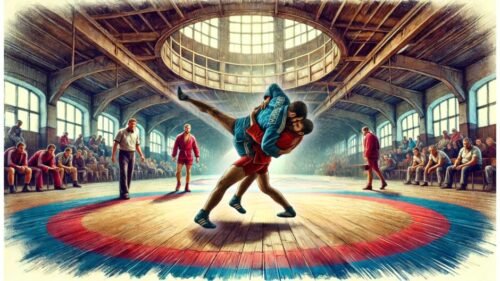
Battlefield to Sport: Many martial arts were born on the battlefield but evolved into sports defined by rules, honour, and tradition—turning survival skills into a way to test skill and character.
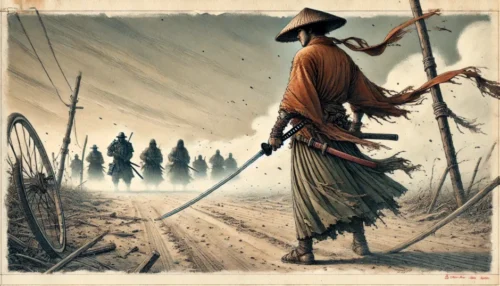
Cultural Identity: Fighting arts are often the soul of a culture, embodying the pride, resilience, and values of a people—from the samurai’s code of Bushido to the hybrid tactics of modern MMA champions.
🛤️ Where the Journey Leads
This series explores how martial arts have evolved across continents and centuries—shaped by shifting tactics, cultural exchanges, and the demands of survival. Each post zooms in on a specific era—from prehistoric grappling to modern MMA—unpacking the innovations and historical forces that forged these systems.
Every fighting art tells a story—born from the people who needed it, the threats they faced, and the values they upheld. More than a timeline of techniques, this is a lens on how combat reflects culture, identity, and human adaptation.
Note: This series is extensive by design, spanning a vast sweep of cultures, systems, and eras. Think of it as a smorgasbord rather than a single meal. Dip in where interest strikes, follow what resonates, and return whenever something new draws you in. Curiosity is the only guide you need.
⏳ Explore the Timeline
History leaves its mark in the way we fight. Each era changed the game. Browse the timeline and dive into the stories that stand out to you.
Click on the links below to take you to the individual eras/timelines.
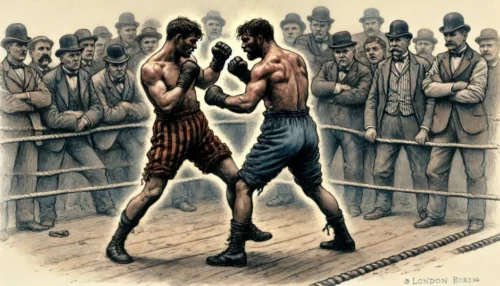
From UFC 1’s no-rules chaos to MMA’s meteoric rise, the sport evolved from style vs. style showdowns into the ultimate fusion of striking, grappling, and tactical warfare.
From battlefield tactics to real-world self-defence, combat extends far beyond the cage. This post explores how military, law enforcement, and reality-based systems evolved alongside MMA.
From ancient battlefields to modern cages, 12,000 years of combat reveal enduring truths. This final post distills key lessons from humanity’s long fighting history—examining shifts in mindset, adaptability, and strategy, while reflecting on where we’ve come from and where combat may evolve next.
📎 Appendix: Beyond the Timeline
Beyond the timeline, there are a few stories that go deeper. These extra posts explore the mindsets, cultural shifts, and survival tactics that helped shape martial arts over the centuries. Whether it’s warrior brotherhoods, knowledge passed through trade, or fighting styles kept alive in secret, they add crucial context to how combat really evolved.
Warrior Cults, Brotherhoods and Orders
The Spread of Knowledge
Coming Soon
Coming Soon
Going Underground
Martial Arts Under Oppression
For God and Country
The Impact of Religion and Cultural Heritage on Combat