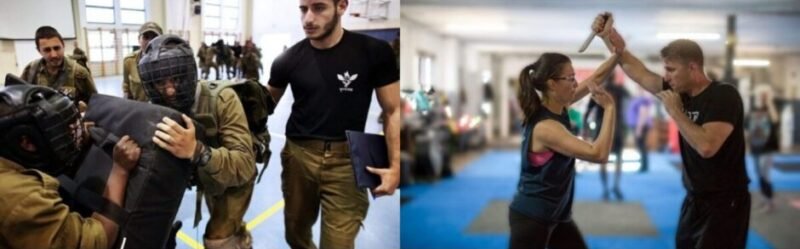
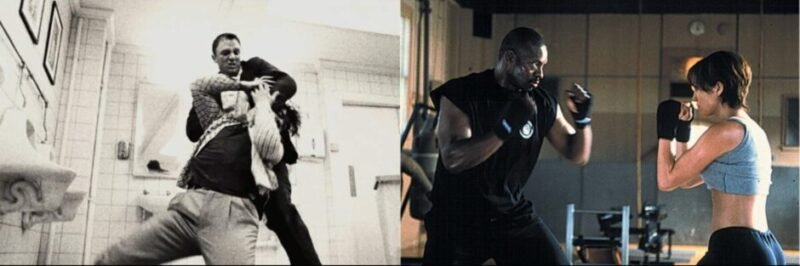
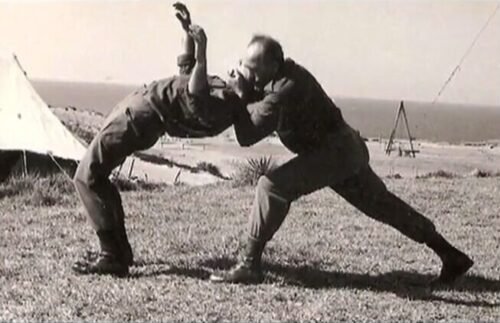







Krav Maga was designed for real-world violence, and when trained properly, it can be highly effective.
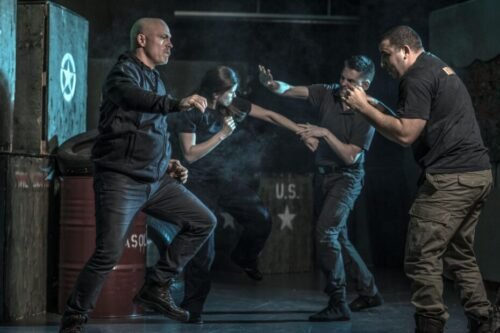
The system has clear strengths. It teaches awareness, aggression, simple movements, vulnerable targeting, escape routes, and the use of the environment. It also prepares students to think about situations often ignored in sport training, such as weapons, multiple attackers, confined spaces, and sudden escalation.
At its best, this approach gives Krav Maga a clear advantage in chaotic, unpredictable situations.
As with any system, outcomes depend heavily on how it’s trained. Without realism and resistance, any martial art—whether Krav Maga, boxing, or karate—can become too compliant.
At its best, Krav Maga leans hard in the opposite direction. Training often involves pressure from multiple angles, working against more than one opponent, and responding under fatigue, with the emphasis on acting decisively and getting out.