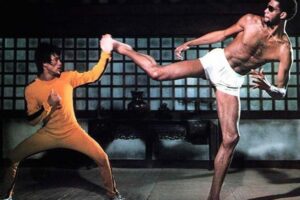

ancient pankration combat sport combining striking and grappling in Greek athletics

Pankration — From Ancient Combat to Modern Revival

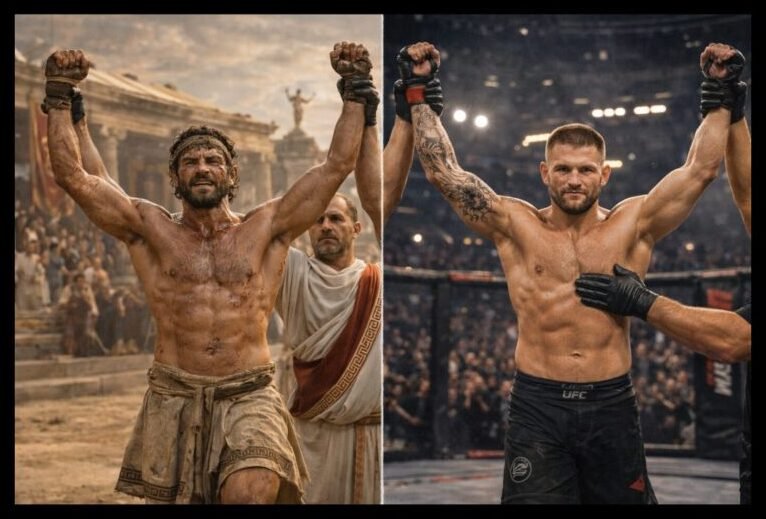
In the arenas of ancient Greece, fighters stepped onto the sand knowing the contest would not end until one man could no longer continue. No rounds. No gloves. No escape. Victory came by submission, unconsciousness, or total domination. This was pankration — and more than two thousand years later, its influence still echoes through modern martial arts.

Table of Contents

🏛 Introduction

Among the combat sports of the ancient world, few were as demanding or as feared as pankration. Introduced to the Olympic Games in 648 BC, the discipline combined the striking of boxing with the grappling of wrestling, creating a contest that tested strength, endurance, and tactical intelligence under extreme conditions.

For centuries, pankration stood alongside wrestling and boxing as one of the premier combat disciplines of the ancient Greek world. It spread throughout the Hellenistic period and later the Roman Empire, before eventually disappearing with the decline of the classical games.

What survives today is not a continuous tradition, but a fragmented legacy — preserved in historical texts, artwork, and scattered references. As a result, any modern understanding of pankration must be pieced together from these sources, rather than inherited through an unbroken lineage.

🧠 What Pankration Means

The name itself reflects the nature of the art. Derived from the Greek words pan (“all”) and kratos (“power” or “strength”), pankration is commonly translated as “all powers” or “complete force.”

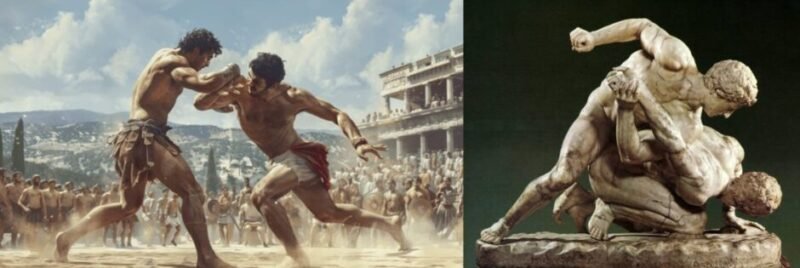
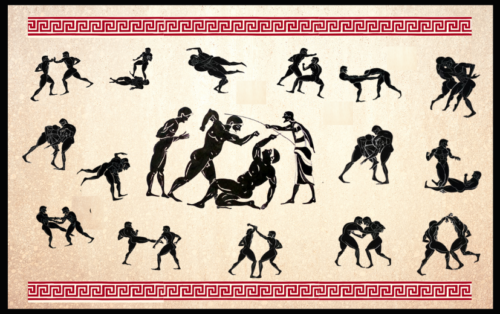
In practice, this meant that fighters were not limited to a single method of combat. Competitors used punches, kicks, throws, chokes, and joint locks within a single contest, applying whatever techniques proved effective in the moment.

Only a small number of actions were prohibited — most notably biting and eye gouging.

Best martial arts. Jim Arvanitis. Pankration. Greek culture. Greek history. IOC. International Olympic Committee. Martial arts for sports. Combat sports. Best martial arts for self defence. Best martial arts for street fighting.

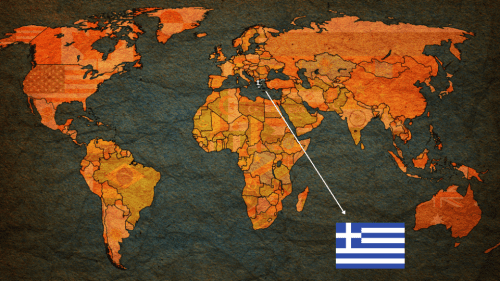
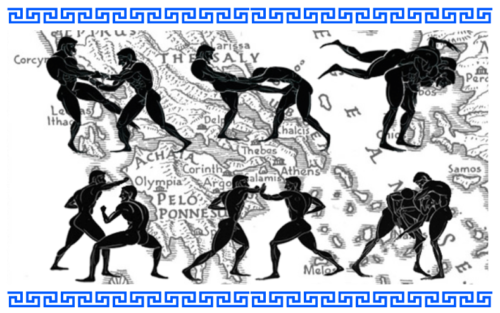
Greece (or Hellas as it’s known to its inhabitants) home to the brutal grand-daddy of Western fighting art known as Pankration.

🧭 The Life Cycle of Pankration

Few combat disciplines have followed a path as fragmented as pankration — rising in the ancient world, disappearing for over a thousand years, and later returning in multiple modern forms.

Unlike many martial arts, pankration was not passed down through a continuous lineage. Its history is defined by loss, rediscovery, and reinterpretation.

Click on the links below for the timeline on Pankration.

Pankration was introduced to the Olympic Games in 648 BC, emerging from the martial traditions of the Greek city-states. Combining striking and grappling within a single contest, it became one of the most demanding combat sports of the ancient world, spreading throughout the Hellenistic kingdoms and later the Roman Empire.

With the banning of the Olympic Games in 393 AD, the institutions that sustained pankration disappeared. Without organised competition or structured transmission, the discipline faded from practice, surviving only in historical texts, artwork, and archaeological remains.

For more than a millennium, pankration existed only as a subject of classical study. During the 20th century, historians and martial artists began re-examining ancient combat systems, raising the question of whether pankration could be understood — or even revived — in a modern context.

Modern pankration did not re-emerge as a single unified system. Instead, it developed through independent efforts. Some sought to reconstruct a functional combat method, while others aimed to establish a regulated sport for competition. These parallel paths led to distinct interpretations that coexist today.

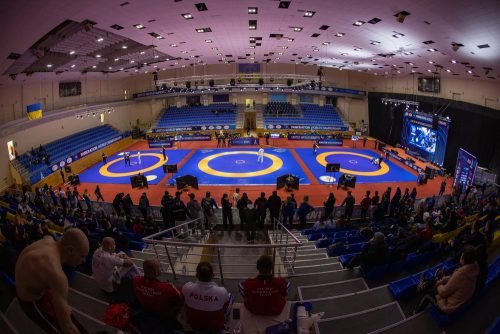
Today, pankration exists in multiple forms shaped by different goals and contexts. Rather than a single discipline, it represents a family of interpretations, each reflecting an attempt to understand and apply the core idea of integrated combat.

⚖️ Why Pankration Still Matters

Although the original sport disappeared more than a thousand years ago, the central idea behind pankration remains highly relevant.

At its core is a simple but demanding concept: a fighter should be capable of operating across every phase of combat — striking, grappling, and adapting under pressure.

This idea stands in contrast to systems built around specialisation. Rather than focusing on a single method, pankration represents a broader approach to combat — one based on integration, versatility, and effectiveness.

While the techniques, rules, and training environments have changed over time, this underlying principle has endured. The pursuit of the complete fighter remains one of the most consistent themes in martial arts across history.

📚 This Article Is Part of a Series

This guide forms part of a structured exploration of pankration, examining the discipline from its origins in the Olympic Games of ancient Greece to its modern interpretations.

Because pankration does not exist as a single continuous tradition, this series breaks the subject down into distinct components — allowing each aspect to be examined in its proper context.

Together, these articles provide a complete picture of how pankration was practiced, how it was lost, and how it has been reinterpreted in the modern world.

🗺 Explore the Full Pankration Series

This series breaks pankration down into its core components—allowing each aspect of the discipline to be examined in its proper context.

Each article focuses on a specific part of the system, from its historical origins to its modern interpretations.

Click on the links below to take you to the individual eras/timelines.

Explores the origins, development, and cultural role of pankration within the ancient Greek world, including its place in the Olympic Games and its significance within Greek athletic culture.

Surviving accounts and artwork reveal a sophisticated combat system combining striking, grappling, throws, chokes, and joint locks. This section examines how pankration was fought in practice.

After more than a millennium of absence, pankration returned through independent efforts in the twentieth century. This article explores how the discipline was reinterpreted and reconstructed in the modern era.

🧠 Neo-Pankration — Reconstructing a Lost System

Examines one of the earliest modern attempts to reconstruct pankration as a functional combat system, and how its ideas were later absorbed into contemporary training methods.

Pankration also developed into a regulated sport format. This section examines Pankration Athlima, including its rules, structure, and role in modern competition.

⚖️ Worlds Apart — Ancient vs Modern

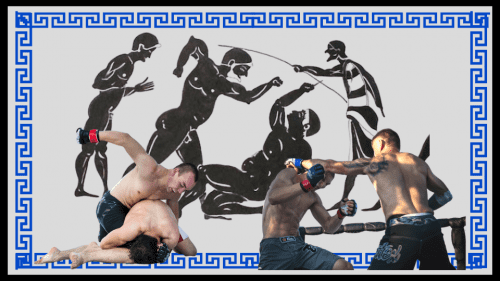
Although modern systems draw inspiration from the ancient sport, the differences are significant. This article compares ancient pankration, modern interpretations, and their underlying philosophies.

🧭 Understanding Pankration

Pankration is not a single preserved system, but a fragmented discipline reconstructed from history and reinterpreted in different ways. What survives today reflects the environments in which it now exists—not the conditions in which it was originally practised.
To understand it properly, each version must be examined on its own terms—its structure, its purpose, and the constraints that shape it.
This series breaks those elements down, from the ancient sport to its modern forms, and the differences that separate them.

If you have enjoyed this post please share or feel free to comment below 🙂

Related Posts

Our Other Posts

Leave a Reply

Your email address will not be published. Required fields are marked *

This site uses Akismet to reduce spam. Learn how your comment data is processed.

error: Content is protected !!

Join the Super Soldier Project Mailing List Today!!