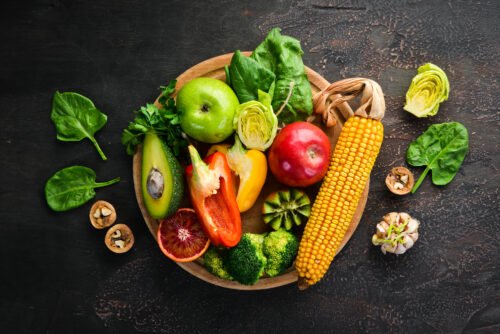
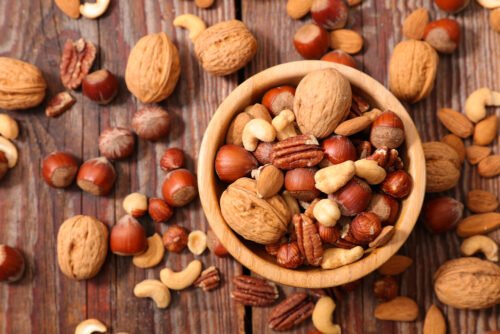
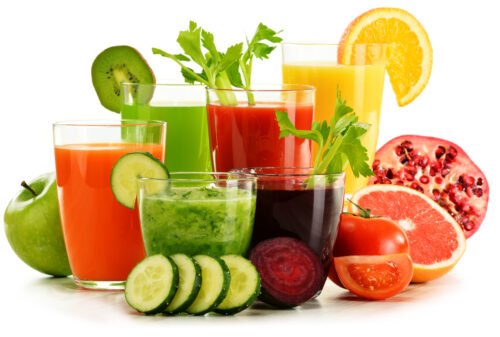
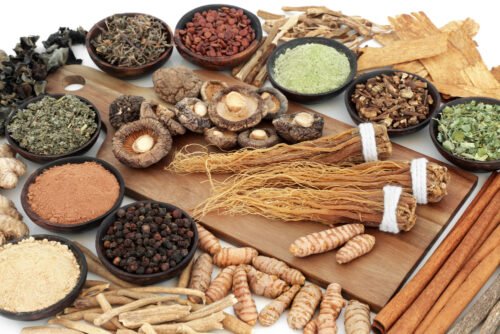
Ready to clean up your diet? In this post, we highlight the Green Light Foods you should always have in your cart — the staples that fuel performance, recovery, and better health.
Table of Contents
Introduction
In today’s world of commercialised, processed food markets, understanding what we’re fuelling our bodies with has never been more critical. Sure, it might taste great — but have you ever stopped to think about what you’re really putting into your body?
Imagine your body as a well-tuned machine. You wouldn’t pour low-quality fuel into your car and expect it to perform, right? The same rule applies here: the food you eat directly affects how efficiently your body works.
In this post, we’ll explore Greenlight Foods — the nutritional powerhouses that deserve a place in your shopping cart. The goal is simple: to find easy, affordable, high-quality foods that keep you healthy, strong, and performing at your best. Because if you aim high, your fuel should match your ambition.
Variety is the spice of life
Diversifying your food choices is a crucial strategy to ensure your body gets all the nutrients it needs to work at its best. Each food group provides a special mix of vitamins, minerals, and other important stuff that your body uses for different jobs. By eating a wide variety of foods, you’re giving your body more of the nutrients it needs. This helps cover all your bases, like energy, growth, and keeping your immune system strong. This approach also lowers the risk of nutrient shortages and supports overall health. Remember, different foods have different nutrients, and by including many options in your diet, you’re giving your body the best shot at being healthy.
Embracing variety in your diet isn’t just about flavor; it’s a conscious step towards providing your body with the tools it needs to thrive. Aim to mix things up, including colorful fruits and veggies, different lean proteins, mixes of whole grains and healthy fats etc. Eating a variety of foods fuels your body in ways that eating a limited diet simply cannot achieve.
Starches
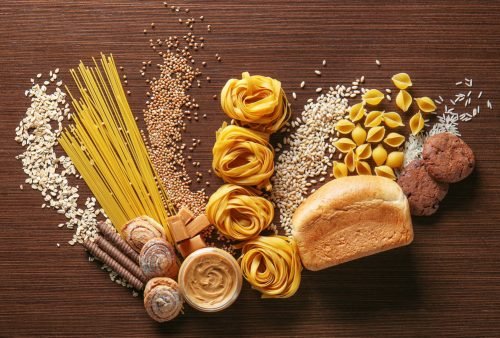
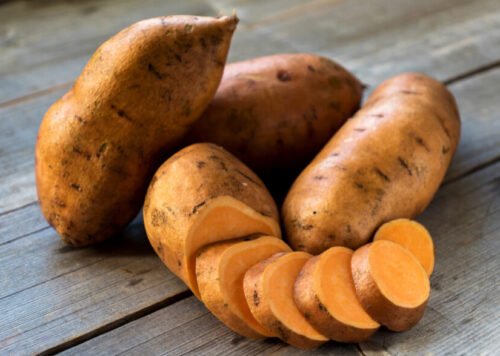
Healthy starches, such as sweet potatoes and quinoa, are like nature’s powerhouses in your diet. Packed with nutrients and slow-digesting carbs, they offer a steady stream of energy, keeping you fueled and satisfied.
Sweet Potato
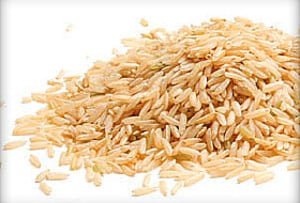
Wholegrain rice
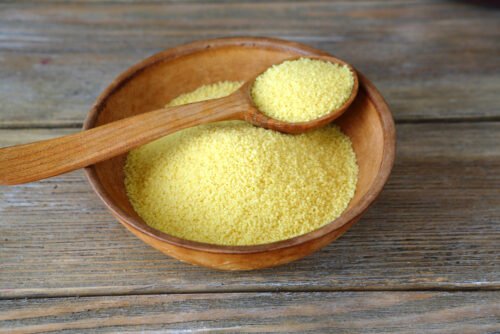
Cous cous
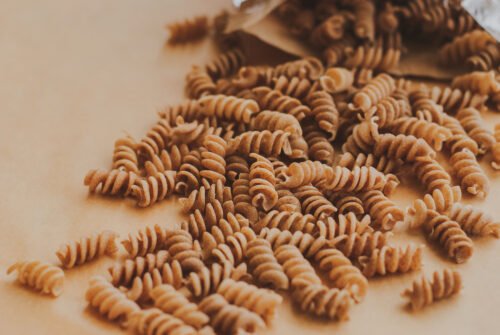
Wholegrain pasta
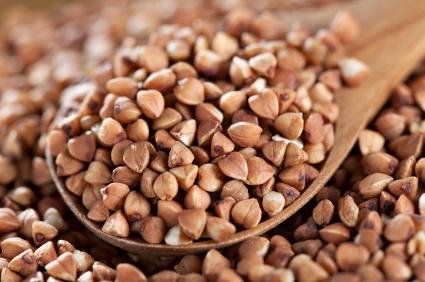
Buckwheat.
Couscous.
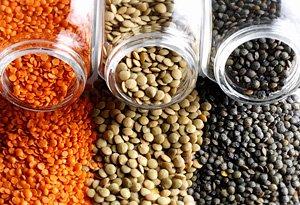
Lentils.
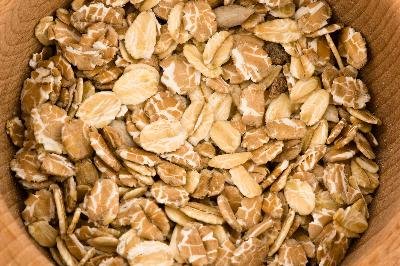
Oats.
Sweet potato.
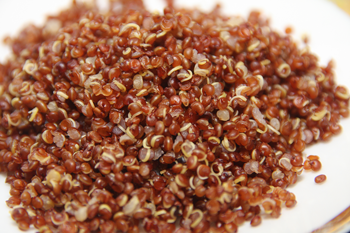
Quinoa.
Wholegrain pasta.
Wholegrain rice.
Quinoa
Buckwheat
Oats
Lentils
Gluten Free Grains
Amaranth
Buckwheat
Corn
Millet
Oats
Quinoa
White rice
Brown rice
Sorghum
Teff
Wild rice
Vegetables
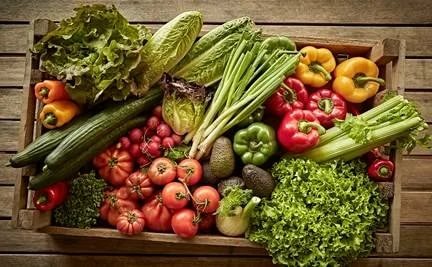
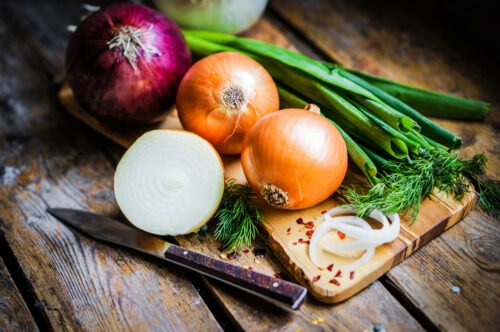
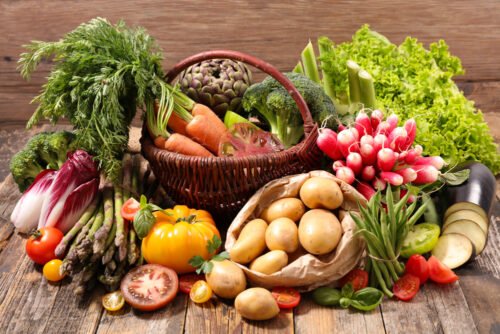
Including a variety of vegetables in your diet is like giving your body a nutrient-packed gift every day. These colorful powerhouses are rich in vitamins, minerals, and antioxidants that support overall health and vitality.
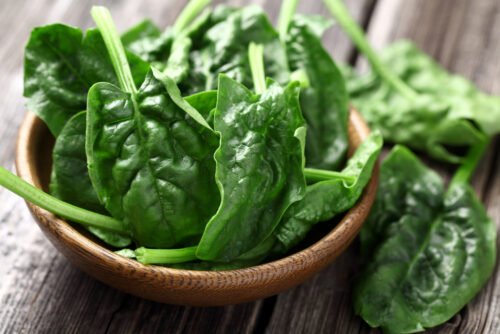
Spinach
Kale
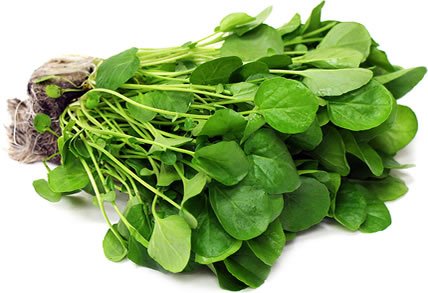
Watercress
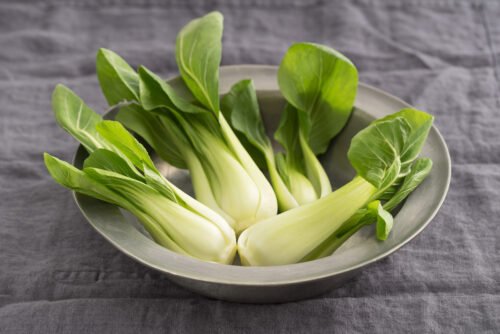
Pak Choi
Artichokes.
Arugula.
Asparagus.
Bell peppers.
Broccoli.
Brussel sprouts.
Butternut squash.
Cabbage.
Carrots.
Cauliflower.
Cucumbers.
Fennel.
Garlic.
Ginger.
Green beans.
Kale.
Mushrooms.
Okra.
Onions.
Peas.
Peppers.
Pumpkin.
Radishes.
Romaine lettuce.
Spaghetti squash.
Spinach.
Sweet Potatoes.
Tomatoes.
Yams.
Zucchini.
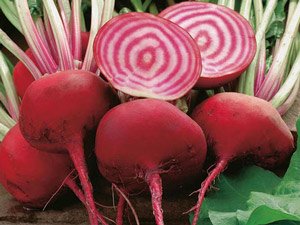
Beetroot
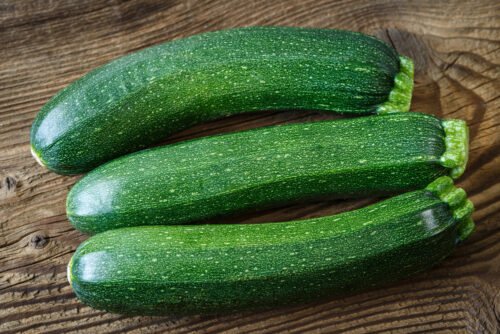
Courgette/Zuchini
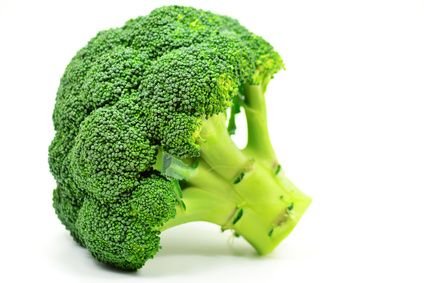
Brocolli
Onions
More Vegetables
Artichokes.
Arugula.
Asparagus.
Bell peppers.
Brussel sprouts.
Butternut squash.
Cabbage.
Carrots.
Cauliflower.
Cucumbers.
Fennel.
Garlic.
Ginger.
Green beans.
Mushrooms.
Okra.
Onions.
Peas.
Peppers.
Pumpkin.
Radishes.
Romaine lettuce.
Spaghetti squash.
Sweet Potatoes.
Tomatoes.
Yams.
Note: Opting for fresh vegetables is a smart choice as it helps you avoid the excessive sodium in canned vegetables, the calorie-laden sauces on frozen veggies, the added sugars and salt in dehydrated or freeze-dried options, and the saturated fats and calories found in creamed varieties.
Fruits
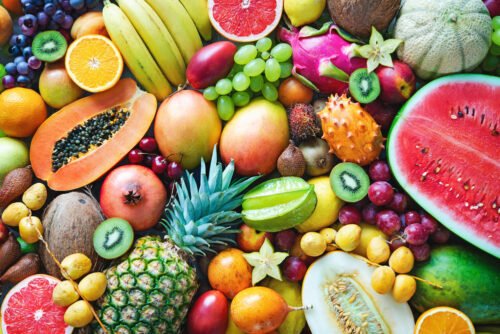
Fruits are nutritional powerhouses packed with vitamins, minerals, and fibre that support overall health and wellbeing. Vitamin C strengthens the immune system and promotes healthy skin, while potassium helps maintain heart health and muscle function. Their natural sweetness curbs sugar cravings, and the fibre aids digestion and satiety. A colourful mix of fruits in your diet boosts energy, immunity, and long-term vitality.
Bananas
Blueberries
Raspberries
Strawberries
Apples.
Apricots.
Avocados.
Bananas.
Blackberries.
Blueberries.
Cherries.
Grapefruit.
Grapes.
Green Apples.
Kiwi.
Lemon.
Lime.
Mango.
Melons.
Nectarines.
Oranges.
Papaya.
Peaches.
Pears.
Persimmons.
Pineapples.
Pitted prunes.
Plums.
Pomegranates.
Raspberries.
Strawberries.
Tangerines.
Watermelon.
Pineapple
Mango
Acai
Lemons
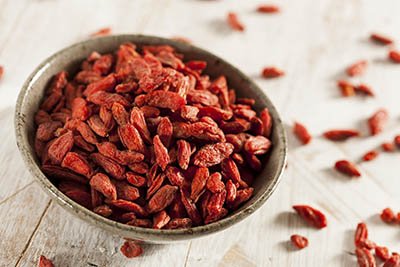
Goji Berries
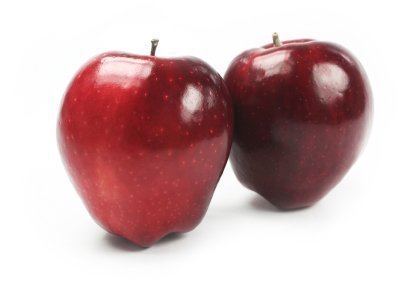
Apples
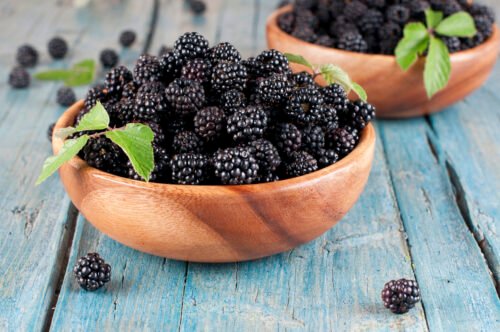
Blackberries
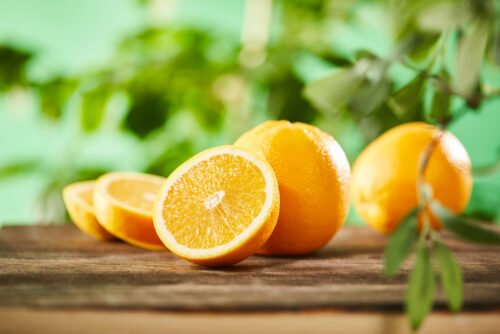
Oranges
More Fruit
Apricots.
Avocados.
Cherries.
Grapefruit.
Grapes.
Kiwi.
Lime.
Melons.
Nectarines.
Papaya.
Peaches.
Pears.
Persimmons.
Prunes.
Plums.
Pomegranates.
Tangerines.
Watermelon.
Fruits vs Desserts
Choosing fruits as snacks and desserts over processed foods and cakes is a smart nutritional move. Fruits come with natural sugars along with a rich supply of vitamins, minerals, and dietary fiber, offering both sweetness and health benefits. In contrast, processed snacks and cakes often contain added sugars and unhealthy fats. These can lead to energy crashes and provide little nutritional value. Opting for fruits ensures you’re getting your sweet fix while supporting your body with essential nutrients and maintaining balance in your diet.
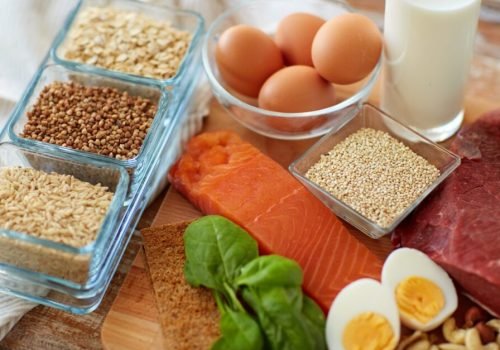
Proteins
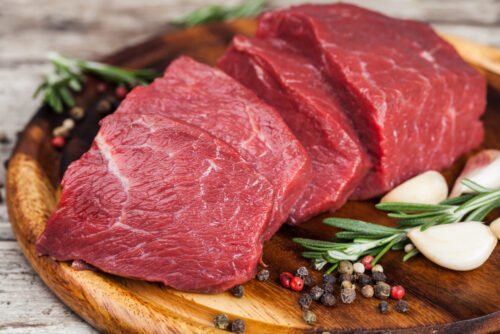
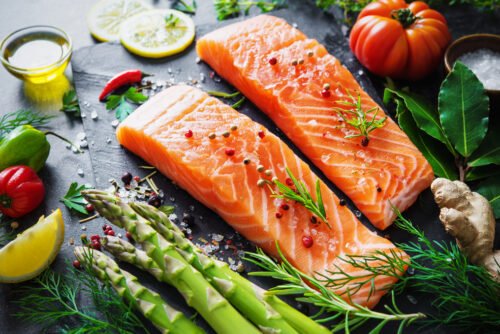
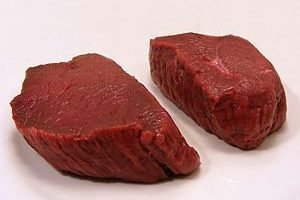
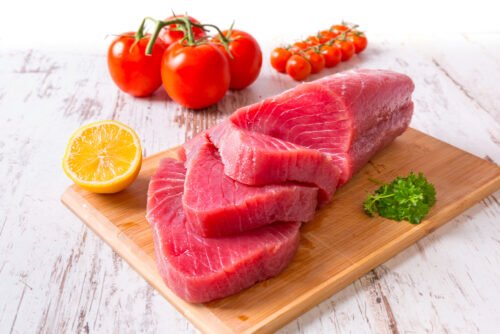
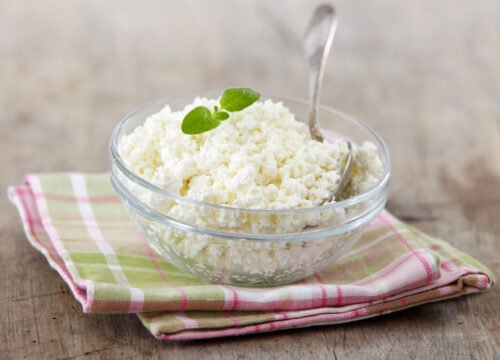
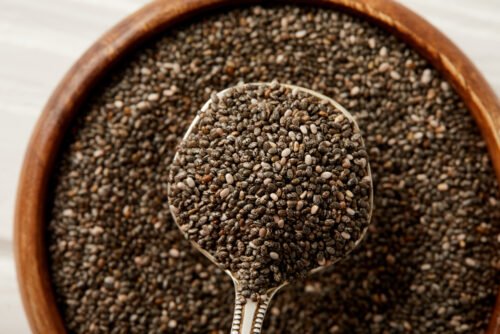
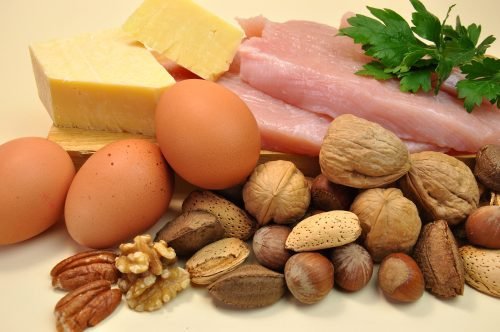
Proteins are the body’s foundation, crucial for muscle growth, tissue repair, and overall strength. They also support the immune system and help keep you feeling full and energised. Lean meats, fish, eggs, beans, and nuts are excellent sources that promote recovery, performance, and long-term health.
Chicken
Turkey
Beef
Lamb
Beef.
Chia seeds.
Chicken.
Cottage cheese.
Eggs.
Greek yoghurt.
Milk.
Lamb.
Peanut butter.
Pumpkin seeds.
Salmon.
Shellfish.
Tofu.
Turkey.
Tuna.
Venison.
Yoghurt.
Salmon
Venison
Tuna
Shellfish
Eggs
Milk
Yoghurt
Greek Yoghurt
Cottage Cheese
Peanut Butter
Pumpkin Seeds
Chia Seeds
Processed crap
When it comes to choosing protein sources, avoiding processed meats like sausages and hot dogs is advisable due to their high saturated fat and sodium content, which can be linked to health issues like heart disease and certain cancers. Similarly, canned or tinned meats, while convenient, often contain added preservatives and sodium, which can elevate blood pressure and pose health risks when consumed excessively.
The Right Stuff
Conversely, opting for locally sourced or organic proteins can offer numerous benefits. Local meats often involve shorter supply chains, reducing environmental impact and supporting nearby economies. Organic options, in particular, provide meat free from antibiotics and hormones, potentially lowering the intake of these substances in your diet. Moreover, organic farming practices prioritize animal welfare and environmentally sustainable methods, making them a responsible choice for both personal health and the well-being of the planet. While organic and locally sourced protein options may come with a slightly higher price tag compared to their conventional counterparts, many people find the investment in their health and the environment well worth it. Consider it a long-term investment in your well-being and in supporting sustainable agriculture practices that benefit future generations. Additionally, buying in bulk, seeking out local deals, and budgeting for higher-quality proteins can help make these options more financially manageable.
Dairy and dairy-free milk options
Almond milk.
Coconut milk and coconut beverage.
Cottage cheese.
Hemp milk.
Kefir.
Milk.
Rice milk.
Soy milk.
Yogurt.
Healthy Fats
Healthy fats are essential for brain function, energy, and overall wellbeing. Choosing sources like avocados, nuts, and olive oil supports heart health and helps your body absorb key nutrients. Not all fats are equal—focus on quality sources to keep your system balanced and performing at its best.
Dairy Products
Meat
Nuts
Fish
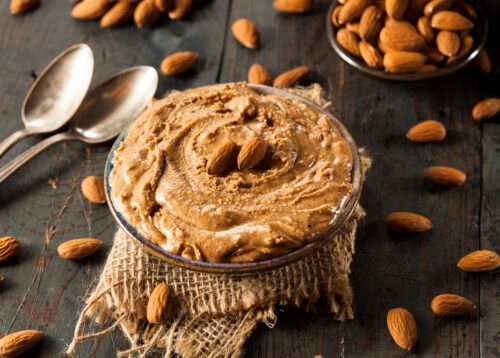
Almond butter.
Avocado.
Beans.
Coconut oil.
Dairy Products.
Dark chocolate.
Fish.
Meat.
Nuts.
Olive oil.
Peanut butter.
Seeds.
Avocado
Olive Oil
Seeds
Coconut Oil
Peanut Butter
Dark Chocolate
Almond Butter
Beans
The Best Oils
Avocado oil.
Coconut oil.
Ghee.
Grass-fed butter.
Lard.
Olive oil.
Sesame oil.
Walnut oil.
Oils to Avoid
It’s prudent to exercise caution with certain food oils due to potential health concerns.
Rapeseed oil.
Vegetable oil.
Canola Oil.
Soybean Oil.
Palm Oil.
Corn Oil.
Cottonseed Oil.
Choosing the right type of fats
Healthy fats, like those found in avocados, nuts, and olive oil, are your nutritional superheroes. They support brain function, aid in nutrient absorption, and contribute to smooth skin. On the other hand, trans fats and excessive saturated fats, often found in processed snacks and fried foods, can be detrimental to your heart health and overall well-being. It’s wise to choose fats that nourish your body while steering clear of those that might weigh you down.
Vitamins and Minerals
A balanced diet rich in variety is the key to getting essential vitamins and minerals. Fill your plate with colourful fruits, leafy greens, lean proteins, whole grains, and nuts or seeds. These nutrient-dense foods provide the foundation for lasting energy, strength, and overall wellbeing.
Himalayan Pink Salt
Dairy
Vegetables
Shellfish
Berries.
Dairy.
Citrus fruits.
Fatty fish.
Fruits.
Himalayan pink salt.
Lean protein.
Legumes.
Nuts and seeds.
Shellfish.
Vegetables.
Whole grains.
Fruits
Lean Protein
Fatty Fish
Nuts and Seeds
Whole Grains
Berries
Citrus Fruits
Legumes
Empty Calories
However, it’s equally important to be vigilant about food choices that offer little in the way of nutritional value. Processed snacks, sugary treats, and sugary drinks might satisfy your taste buds temporarily, but they often lack the critical vitamins and minerals your body craves. These options are more like “empty calories,” providing energy without the nourishment your body requires.
Getting the balance right
To optimize your nutritional intake, strive for balance. While it’s okay to occasionally indulge in less-nutritious foods, the core of your diet should be composed of nutrient-dense options. By thoughtfully curating your food choices, you can boost your body with the vitamins and minerals it needs to function at its best.
Fibre
Fibre is the quiet powerhouse of good nutrition, supporting digestion, regularity, and lasting fullness. It helps control appetite and keeps your system running smoothly. Skip processed “high-fibre” foods and opt for natural sources like whole grains, fruits, and vegetables for real digestive benefits.
Whole grains
Legumes
Bran
Root vegetables
Bran.
Fruit and vegetables.
Legumes.
Nuts and seeds.
Popcorn.
Root vegetables.
Whole grains.
Whole grain cereals.
Fruit and vegetables
Nuts and seeds
Popcorn
Whole grain cereal
Fluids and Hydration
Staying hydrated is essential for energy, focus, and overall health. Water supports digestion, temperature regulation, and cognitive function. Prioritise hydration through water, herbal teas, and water-rich foods like fruits and vegetables. Limit sugary and caffeinated drinks, which can dehydrate you, and aim to keep your body balanced and energised throughout the day.
Water
Milk
Kombucha
Coffee
Water
Coconut Water.
Coffee
Fresh Fruit Juice.
Green Tea.
Hemp shakes.
Infused Teas.
Kefir.
Kombucha.
Kvass.
Lemon Tea.
Milk.
Whey Protein.
Green Tea
Herbal Tea
Infused Teas
Fresh Fruit Juice
Kvass
Lemon Tea
Beer (in moderation)
Coconut water
Herbs, Spices and Condiments
Spices and condiments bring meals to life, turning simple dishes into flavourful experiences. They add depth, variety, and excitement to your food while encouraging a more adventurous and enjoyable approach to eating.
Tumeric
Spirulina
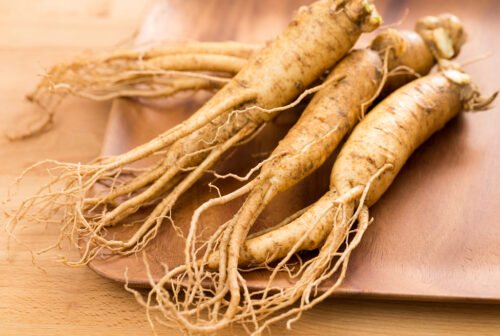
Ginseng
Cayenne Pepper/Chillies
Basil.
Bay Leaves.
Cayenne Pepper/Chillies
Cilantro.
Cinnamon.
Coconut water.
Coriander.
Cumin.
Dill.
Garlic Powder.
Ginseng.
Manuka Honey.
Mint.
Mustard Seed.
Nutmeg.
Onion Powder.
Oregano.
Paprika.
Parsley.
Pepper.
Peppermint oil.
Rosemary.
Sage.
Sea Salt.
Spirulina.
Thyme.
Turmeric.
Manuka Honey
Coconut Oil/Water
Peppermint Oil
Cayenne Pepper/Chillies
Other
Basil.
Bay Leaves.
Cilantro.
Cinnamon.
Coriander.
Cumin.
Dill.
Garlic Powder.
Mint.
Mustard Seed.
Nutmeg.
Onion Powder.
Oregano.
Paprika.
Parsley.
Pepper.
Rosemary.
Sage.
Sea Salt.
Thyme.
Turmeric.
Note: Opting for natural spices and condiments over store-bought versions is a healthier choice. Natural options like herbs, garlic, and ginger not only add rich flavors but also bring along nutrients and potential health benefits. Unlike some processed condiments, natural choices are lower in added sugars, unhealthy fats, and artificial additives.
Healthy Snacks
Healthy snacks act as fuel between meals, keeping your energy steady and hunger in check. Choosing nutritious options helps you stay focused, avoid overeating, and maintain progress toward your health and fitness goals.
Jerky
Nuts
Fruits
Biltong
Bone Broth.
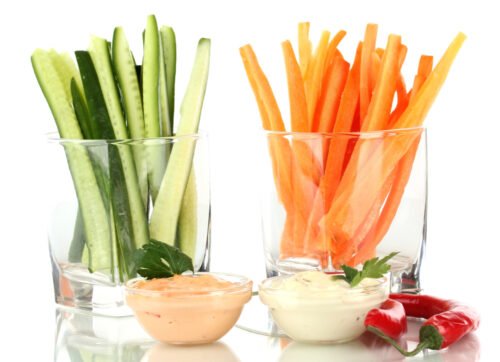
Carrots.
Crackers.
Dark chocolate.
Dried fruit.
Dried seaweed.
Gluten-free wraps.
Hemp Protein.
Hummus.
Low calorie soups.
Miso soup.
Nut and seed butters.
Popcorn.
Salsa.
Grain-free or gluten-free crackers.
Whey Protein.
Bone Broth
Miso Soup
Dark Chocolate
Whey Protein
Other
Crackers.
Dark chocolate.
Dried fruit.
Dried seaweed.
Gluten-free wraps.
Hummus.
Nut and seed butters.
Popcorn.
Salsa.
Grain-free or gluten-free crackers.
The 6 'P' Principle
While the Greenlight foods list is not exhaustive, it’s a starting point to inspire your journey towards better nutrition. To further enhance your dietary choices, experiment with foods that are packed with nutrients and figure out clever ways to easily add them to your daily meals. Your commitment to maximizing nutritional value will undoubtedly contribute to your overall well-being and long-term health. The 6 ‘P’ principle applies here “Proper Preparation Prevents Piss Poor Performance”.
New to the Kitchen?
Creating nutritious and delicious meals in the kitchen, even if you’re not a seasoned cook, is entirely achievable. Start with simplicity – dishes like soups, salads, and stir-fries are fantastic choices.
For a hearty and healthy soup, simply simmer vegetables, lean protein (like chicken or beans), and your preferred seasonings in a pot of broth. With salads, you have endless options. Combine fresh greens, colorful veggies, a source of lean protein (such as grilled chicken or tofu), and a tasty dressing. Stir-fries are equally accessible – toss your choice of vegetables and protein in a stir-fry sauce, cook them quickly in a hot pan, and serve over rice or noodles.
Remember, healthy cooking doesn’t need to be complicated. Start with basic recipes, gradually expand your repertoire, and enjoy the rewarding journey of preparing nourishing meals in your own kitchen.
Summary
By adding these Greenlight foods to your shopping list and eating them regularly, you’re laying the foundations for success in the gym, your training and making gains. Your choices in the grocery aisle directly impact your body’s well-being. Your nutrition provides the essential building blocks for energy, immunity, and overall vitality. By prioritizing foods with high nutritional value you’re making an investment in your long-term health. Let the principles of variety, balance, and mindful eating guide you.
We hope you have enjoyed our Greenlight foods post. In our next posts we’ll look at ‘the Shit list’, basically the stuff you should avoid on your shopping list. We will also look at suggestions for easy to make but nutritious meals.
If you have enjoyed this post please share or feel free to comment below 🙂