








Progress doesnβt happen during the workout β it happens between them. Here are 10 active recovery strategies that repair faster, reduce soreness, and prepare you to perform again sooner.
π₯ Introduction β The Work Never Stops
Active recovery days arenβt a break from training β theyβre part of it. Fitting these sessions between your harder workouts keeps your body moving, helps repair the damage youβve created, and prevents soreness from turning you into a stiff, angry robot the next day. Light activity encourages circulation, clears waste from tired muscles, and maintains the quality of your movement, so you return to trainingprepared rather than patched together.
If youβre serious about progress β strength, endurance, mobility, body composition β then staying completely inactive between sessions isnβt your best option. Recovery isnβt just about resting; itβs about recovering well.
Stuck for ideas? Bored of the same walk around the same park? Here are ten solid ways to use your active recovery days to stay sharp, move better, and make the healing process work harder for you.
𦡠Flexibility & Mobility
Flexibility and mobility are the first things most people neglect β right up until something hurts. Strength and cardio both demand healthy movement, yet many lifters canβt squat properly because their hips are tight, or they compensate through the lower back because their ankles barely bend. Active recovery is the perfect time to fix this.
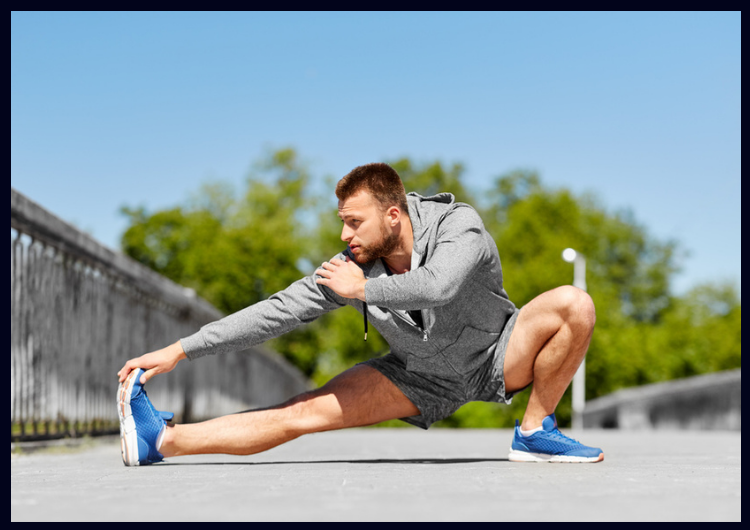
Incorporating stretching into your active recovery routine can help soothe muscles and enhance flexibility.
Stretching, controlled mobility drills, and bodyweight movement restore range without heavy stress. Yoga is a strong choice if you want a challenge beyond the barbell β but drills like cossack squats, shin box switches, and hip openers work just as well.
The goal isnβt fatigue β itβs better movement.
π§± Core Strength
The core is the foundation of almost every movement you make. When itβs weak, power leaks, technique breaks down, and the lower back pays the price. Active recovery days let you train this area properly β not as a rushed afterthought.
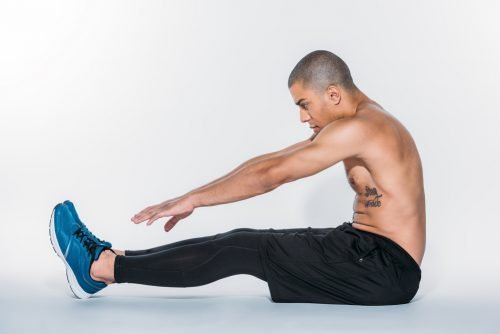
Focus on tension and control across the entire midsection: abs, obliques, glutes, and the spinal stabilisers. Planks, bird dogs, dead bugs, and banded rotations all build real-world stability.
A stronger core makes every lift safer and more efficient.
Dedicating a day to focus on your core muscles provides an opportunity to enhance core strength while also giving the upper and lower body muscles a well-deserved break.
Some people struggle with the idea of easing off, so if you still want to train on a recovery day, thatβs fine β but the rules change. An active recovery workout should be short, light, and technique-focused, not a hidden attempt to squeeze in another intense session. Think resistance bands, lighter weights, slower reps, and plenty of control.
Incorporating light circuit training can provide a refreshing method for active recovery, while also helping to maintain training momentum and boost serotonin levels.
Circuits with a mix of mobility, light strength work, and easy cardio can keep your body moving without overwhelming your nervous system. The goal is to leave the gym feeling refreshed and looser, not wrecked. If you walk out sweaty, trembling, or ready to collapse, youβve crossed the line.
Keep it simple.Β
π΄ Low-Impact Cardio
Low-impact cardio is one of the easiest and most effective active recovery tools. Activities like cycling, swimming, rowing or simply walking at a steady pace keep the heart rate elevated just enough to promote blood flow and reduce stiffness β without adding stress to the joints.
Engaging in light running or jogging can serve as a beneficial active recovery method, aiding in muscle relaxation and promoting blood circulation. It’s a great way to keep your body moving and help reduce post-workout soreness.
The key is restraint. This isnβt the day to chase miles, pace records, or heart-rate zones. Keep the effort low and rhythmic. A relaxed 30β45 minute walk, an easy ride, or laps in the pool will stretch the legs out and wake the system back up. You should finish moving better than you started β not gasping for breath.
The goal is gentle conditioning, not fatigue. Leave something in the tank.
π¦ Balance & Stability
Training heavy or fast often hides imbalances β one side doing more work than the other, joints compensating for limited mobility, or the core struggling to stabilise under load. Active recovery days are a smart time to address this by incorporating unilateral movements that force each limb to contribute equally.
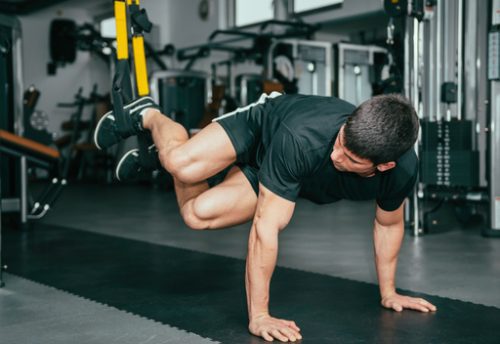
Using Unilateral training to focus on muscle imbalances.
Single-leg and single-arm exercises improve coordination, build stability, and expose weaknesses that usually stay buried when both sides work together. Start with simpler movements like single-leg glute bridges, bird-dogs, or step-ups, and progress to single-leg deadlifts or split-stance squats when you can maintain control.
It will feel awkward at first β thatβs the point. Youβre teaching the body to move clean and strong on either side, not just when everything works as a team.
Balanced strength is durable strength.
π Hiking & Long Walks
Active recovery doesnβt need to take place inside four walls. Getting outside for a long walk or hike gives your muscles a break from structured training while still keeping your body active. Uneven terrain challenges balance and coordination in a low-stress way, the fresh air helps clear the head, and the change of scenery can do more for your mood than a treadmill ever will.
Hiking allows muscles to unwind after intense workouts. The natural scenery and fresh air can do wonders for both body and mind.
A recovery day walk doesnβt need to feel like a chore. Explore local parks, trails, waterfronts β anywhere that gets you moving without rushing. If youβve been stuck indoors all week, let the outdoors handle some of the recovery work for you. And if you want company, bring a mate, a dog, or your headphones β whatever keeps the pacerelaxed and enjoyable.
Movement, sunlight, and space to breathe β itβs a reset button most people forget they have.
π― Sports & Hobbies
Active recovery doesnβt always have to look like training. Playing a sport or jumping into a hobby that involves movement is a great way to stay active while giving your mind a break from structured workouts. A casual game of football, a few rounds of basketball, a knockabout at the badminton court β anything that keeps you moving without competition-level intensity fits the bill.
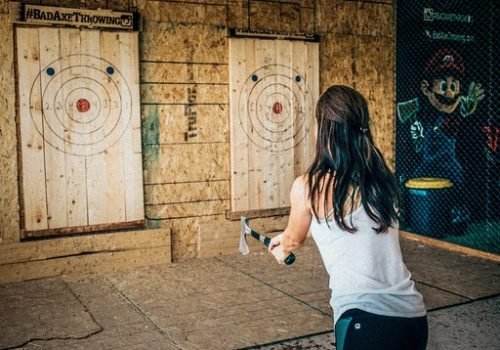
Unleash your inner Viking with some Axe throwing. A great way to unwind and have fun.
Itβs also a chance to experience different kinds of athleticism. Maybe try something outside your usual comfort zone β martial arts basics, rock climbing, or even axe throwing if you want to tap into your inner Viking. The goal isnβt to dominate the scoreboard; itβs to enjoy the movement and let recovery happen in the background.
If youβre smiling and moving, youβre doing active recovery right.
π₯βοΈ Sauna, Cold Exposure & Massage
Recovery isnβt only about movement β sometimes the best approach is to deliberately relax the body and let tension melt away. A sauna, steam room, or hot bath can help loosen tight muscles and increase circulation, while massage can target knots and flush trapped fluid from overworked tissue. These methods can relieve soreness and help the nervous system shift out of βfight modeβ into genuine recovery.
Using a sauna can be a quick and relaxing way to aid active recovery after a workout.. and meet new friends.
Cold exposure β whether in a plunge pool, cold shower, or open water β can reduce inflammation and give the system a refreshing shock that many find mentally energising. Alternating hot and cold can be particularly effective, stimulating blood flow and speeding up repair.
Hydrate well before and after. Heat and cold both make the body work harder behind the scenes, and water is essential for that process.
Sometimes recovery means stepping back and letting the environment do the work.
Recovery isnβt just physical β itβs an opportunity to get ahead. A quieter day gives you time to prepare meals, organise your training week, and clear the kind of small tasks that become excuses later. Planning ahead makes it easier to stick to your goals when life gets busy.
Batch cooking, sorting training gear, checking your programme, even scheduling sessions in advance β these are simple actions that remove friction and keep you consistent. When the hard days arrive, youβll already be set up to win.
Use recovery to make future trainingeasier, not harder.
Planning and preparing meals ahead of time saves valuable minutes throughout the week while ensuring a balanced and nutritious diet.
π΄ Rest β Actual Rest
It is called a rest day for a reason. Sometimes the best thing you can do is back off completely and let the systemreset. That doesnβt mean sinking into a couch for twelve hours, but it does mean giving yourself permission to relax, unwind, and let your bodycatch up.
Post-workout chill out time. Give your body the relaxation it needs to come back even stronger next time!
Take a slow day. Stretch casually, get some sunshine, enjoy a decent meal, and do something that takes your stress levels down instead of up. Youβll still be burning energy simply by moving through the world β being on your feet, walking through shops, or just living life counts more than most people realise.
Good recovery is about balance β knowing when to move, and knowing when to truly rest.
βοΈ When Should You Use Recovery Days?
The right time for active recovery is whenever your body needs it. Some people bounce back quickly, while others require more time between intense efforts β neither is wrong. If training has been particularly demanding, or if youβre feeling tight, sluggish, or mentally wiped, thatβs your sign to back off and let adaptation take place.
Pay attention to the signals: persistent soreness, poor sleep, dropping motivation, or movement that feels βoffβ. These arenβt weaknesses to push through β theyβre warnings that recovery is overdue. Active rest lets you address those issues without sacrificing consistency.
Your progress depends on knowing when to push and when to step away from the gas pedal.
π§ Final Thoughts
Recovery isnβt the opposite of training β itβs part of the training process. You can only push as hard as you can recover. Active rest gives your body room to repair the damage, restore energy, and come back stronger for the next session. Itβs not glamorous, but itβs how long-term progress is built.
Opting for active rest during your workouts maintains your workout’s flow and optimizes your time spent at the gym. Make the most of your rest intervals by staying active.
Use recovery days to move, breathe, reset, and take care of the details. Learn new skills, improve weak areas, and stay ready. When you return to the gym or the field, youβll feel the difference β and so will your performance.
Train hard when itβs time to train. Recover properly when itβs time to recover. That balance is what keeps you progressing.
If you have enjoyed this post please share or feel free to comment below π