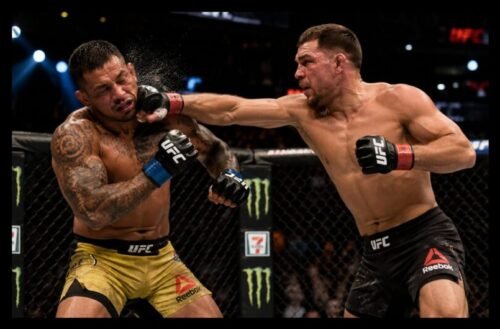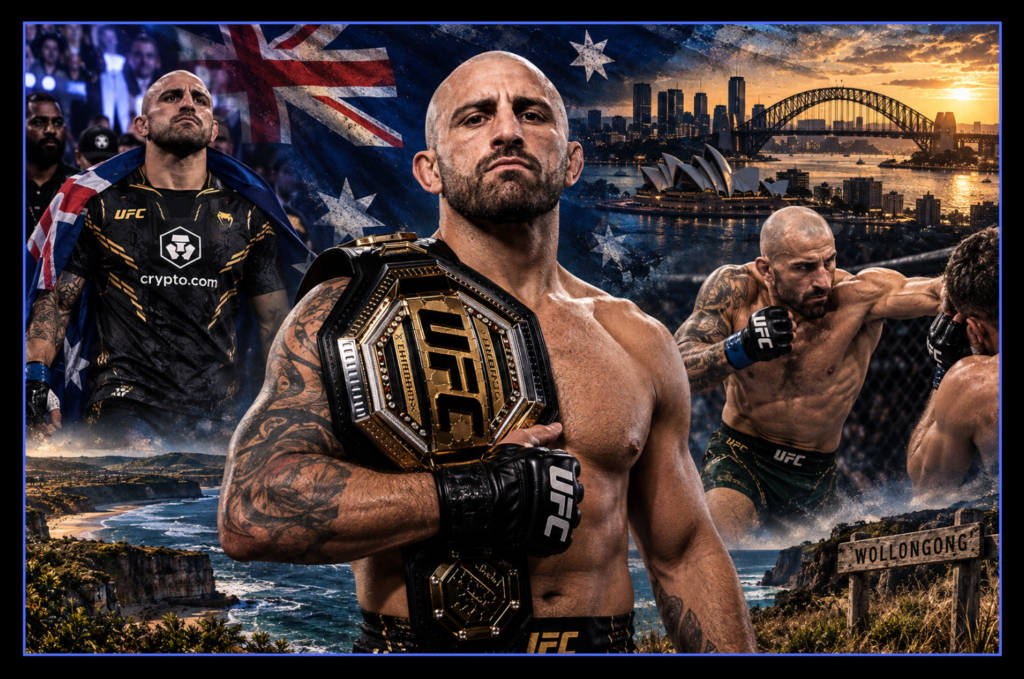

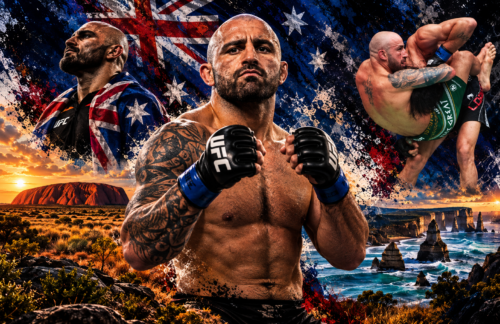
Alexander Volkanovski UFC champion montage with championship belt, fight action and Australian coastal and Sydney imagery.

From a Land Down Under – Alexander Volkanovski Workouts

Welcome to the third post in our MMA based training. These circuits revolve around the training regime of UFC Alexander ‘The Great’ Volkanovski.

Want to skip the intro and go straight to the Alexander Volkanovski workouts? Click below!

📑 Table of Contents

🔥 Introduction

Alexander Volkanovski’s journey through Mixed Martial Arts (MMA), particularly within the UFC, has established him as one of the greatest featherweights in the history of the sport. From his early career in Australia to the highest level of MMA, Volkanovski built his success around relentless conditioning, intelligent preparation and an exceptionally well-rounded skillset.

His defining breakthrough came at UFC 245, where he defeated Max Holloway by unanimous decision to capture the UFC Featherweight Championship. He successfully defended the title against Holloway in their rematch at UFC 251, before going on to establish a dominant first reign that included five successful title defences and victories over some of the division’s leading fighters.

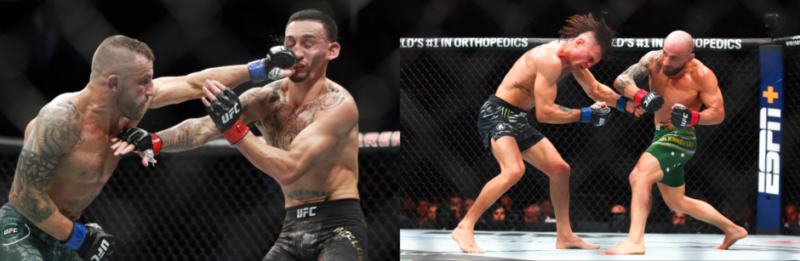
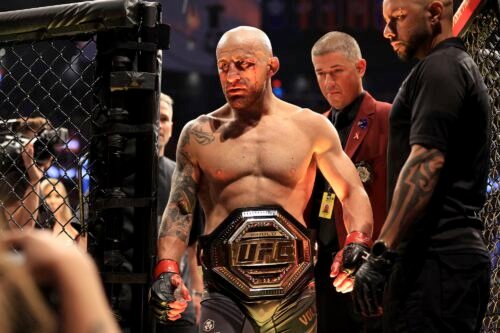
Alexander Volkanovski defeating Max Holloway to win his first UFC Featherweight Championship and later defeating Diego Lopes to reclaim the title.

From defeating Max Holloway for his first UFC Featherweight Championship in 2019 to reclaiming the vacant title against Diego Lopes in 2025, Alexander Volkanovski’s two championship victories bookend an extraordinary featherweight career.

That reign eventually ended against Ilia Topuria in 2024, but Volkanovski’s story at featherweight was not finished. In 2025, he defeated Diego Lopes to reclaim the vacant championship, becoming a two-time UFC Featherweight Champion.

Behind those achievements is a fighter whose success has depended on far more than natural talent. Elite conditioning, tactical adaptability and disciplined preparation have allowed Volkanovski to combine striking, wrestling and grappling into a highly effective MMA system. It is that combination of physical preparation and technical ability that makes Alexander Volkanovski particularly interesting from a training perspective.

🗂️ Background

Click on the links below for more on Alex Volkanovski’s background.

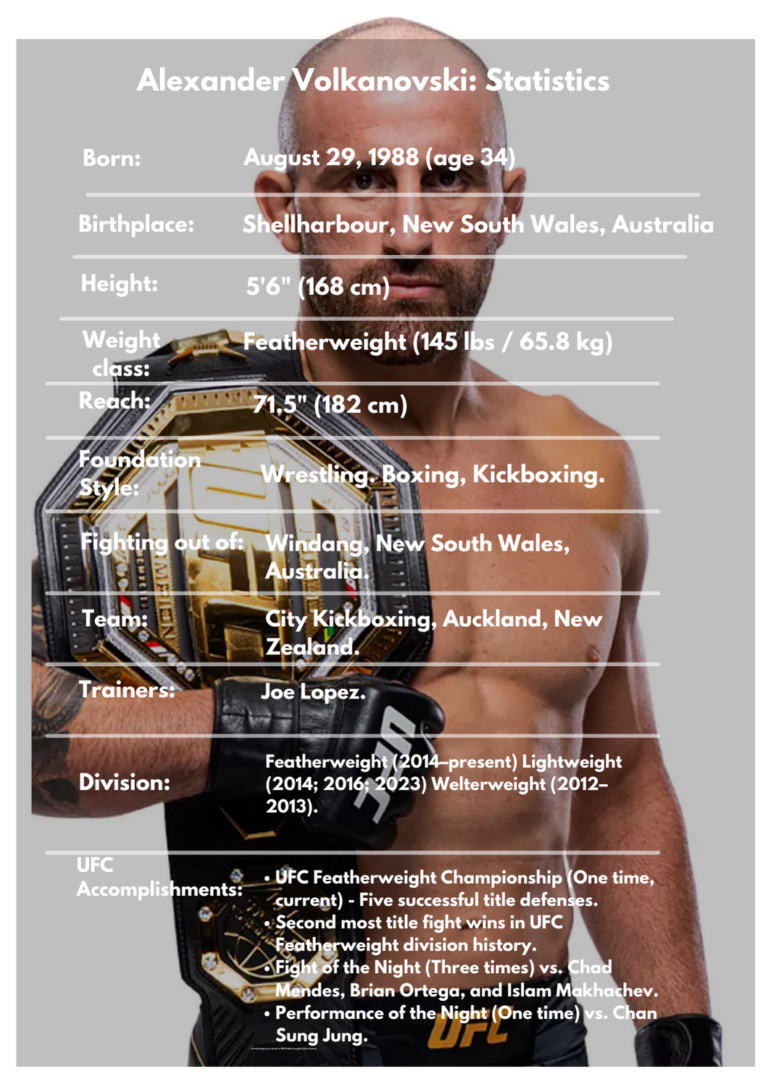
Alexander Volkanovski was born on August 29, 1988, in Shellharbour, New South Wales, Australia. Of Macedonian and Greek heritage, he developed an early interest in sport and began training in Greco-Roman wrestling as a child. He proved highly capable, winning a national title as a teenager before leaving wrestling and turning his attention to rugby league.

Volkanovski became a successful rugby league player, competing as a front-rower despite being considerably shorter than many of the men around him. At his heaviest, he weighed around 97 kg (214 lb), a remarkable contrast with the 145 lb featherweight division in which he would later become UFC champion.

In 2011, Volkanovski began training at Freestyle Fighting Gym as a way of improving his fitness for rugby. His wrestling background translated naturally to grappling, and it quickly became apparent that he had considerable potential in combat sports. After finishing a successful rugby season, he made the decision to leave the sport behind and pursue Mixed Martial Arts (MMA) seriously.

After four amateur bouts, Volkanovski made his professional MMA debut in 2012. He built his reputation competing across regional promotions in Australia and the Pacific, winning titles across several weight divisions before earning his opportunity in the UFC.

In November 2016, he made his UFC debut in Melbourne, defeating Yusuke Kasuya by second-round TKO. From there, Volkanovski began a steady climb through the featherweight division.

Volkanovski established himself as an elite contender through a combination of high-level conditioning, intelligent striking, wrestling and relentless pressure. Victories over established opponents including Chad Mendes and José Aldo eventually earned him a shot at the featherweight championship.

At UFC 245 in December 2019, Volkanovski defeated Max Holloway by unanimous decision to capture the UFC Featherweight Championship. He defeated Holloway again at UFC 251 before successfully defending the title against Brian Ortega, Chan Sung Jung and Yair Rodríguez, establishing one of the strongest championship runs in the division’s history.

After losing the title to Ilia Topuria in 2024, Volkanovski returned in 2025 to defeat Diego Lopes for the vacant championship, becoming a two-time UFC Featherweight Champion.

At the centre of Volkanovski’s development has been Freestyle Fighting Gym in New South Wales and his longtime head coach Joe Lopez. Volkanovski has trained with Lopez since first entering an MMA gym and continues to regard Freestyle as his home base.

He has also spent considerable time training with City Kickboxing in Auckland, New Zealand, working alongside fighters such as Israel Adesanya and under coaches including Eugene Bareman. This combination has contributed to the highly adaptable approach that has become a hallmark of Volkanovski’s fighting style.

Away from competition, Volkanovski is married to Emma Volkanovski and has children. His family has remained an important part of his life throughout his progression from regional MMA fighter to UFC champion.

Alexander Volkanovski. MMA fighter. UFC Fighter. Volkanovski early career.

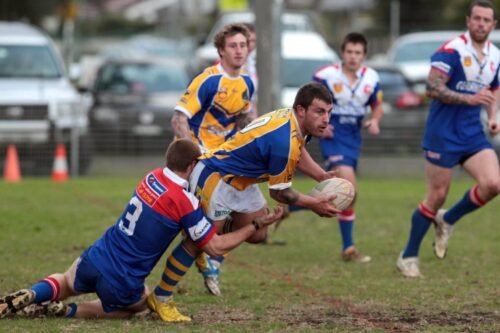
Before entering the world of MMA, Alexander Volkanovski had a background in rugby league, showcasing his athleticism and competitive spirit on the rugby field. This experience contributed to his physicality and work ethic in his transition to mixed martial arts.

🧠 Style

Alexander Volkanovski’s fighting style is built around technical striking, wrestling, elite conditioning and tactical adaptability. Rather than relying on one dominant weapon, he combines different elements of MMA to control distance, disrupt opponents and dictate how a fight develops.

Alexander Volkanovski. MMA. Australian MMA. UFC. UFC Featherweight Champion.

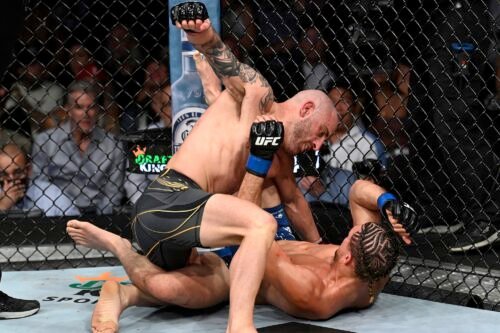
Volkanovski’s ground and pound technique is a relentless and powerful aspect of his fighting style. When he secures top position on the ground, he delivers a barrage of precise strikes, often mixing in elbows and punches, to both weaken his opponents and advance his position in the fight.

Click on the links below for more on Alex Volkanovski fighting style.

On the feet, Volkanovski is a disciplined and highly intelligent striker. He uses feints, footwork and stance changes to create openings, constantly forcing opponents to react before committing to his attacks. Despite frequently giving up height and reach, his ability to manage distance allows him to enter striking range, land effectively and exit before opponents can respond.

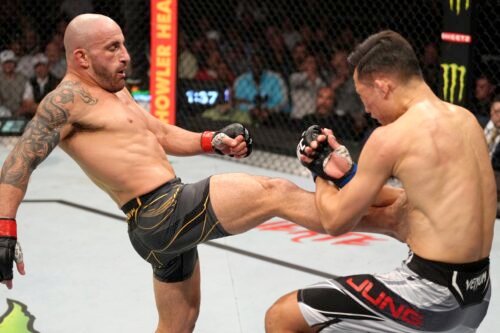
His striking arsenal includes sharp jabs, combinations and powerful low kicks, which he uses both to damage opponents and disrupt their movement. Rather than simply chasing a finish, Volkanovski frequently uses his striking to control space, establish rhythm and gradually impose his game plan.

His boxing is particularly effective when combined with his movement and feints. Changes of stance, level and direction make his attacks difficult to read, while his hand speed and combination work allow him to capitalise when an opponent reacts incorrectly.

Volkanovski’s wrestling background remains an important part of his MMA game. His ability to threaten takedowns forces opponents to account for more than his striking, while strong takedown defence and positional awareness make it difficult for opponents to impose their own grappling game.

Offensively, he can change levels beneath striking exchanges, attack takedowns against the cage and use clinch positions to control opponents. On the ground, his emphasis is generally on maintaining position, creating opportunities to strike and controlling where the fight takes place rather than aggressively hunting submissions.

The importance of his wrestling extends beyond completed takedowns. The threat itself creates hesitation, opening opportunities for strikes and allowing Volkanovski to move fluidly between different phases of the fight.

One of Volkanovski’s greatest physical assets is his exceptional conditioning. He is capable of maintaining a high work rate across five-round fights while continuing to strike, wrestle, scramble and move effectively.

That endurance supports his entire fighting style. Maintaining technical quality while fatigued allows him to continue applying pressure, making tactical adjustments and exploiting openings deep into championship rounds.

Perhaps the defining characteristic of Volkanovski’s style is his fight intelligence. He rarely approaches every opponent in exactly the same way. Instead, his team develops specific strategies around the strengths, weaknesses and tendencies of whoever stands opposite him.

His ability to make adjustments during a fight is equally important. Volkanovski can alter his rhythm, pressure, stance, striking combinations and wrestling threat depending on what an opponent gives him.

🎯 Summary

Alexander Volkanovski is therefore difficult to define simply as a striker or wrestler. His effectiveness comes from the way he integrates striking, movement, wrestling and conditioning into a coherent MMA system.

Combined with intelligent preparation and the ability to adapt under pressure, that versatility has allowed Volkanovski to compete successfully against some of the highest-level fighters in modern MMA.

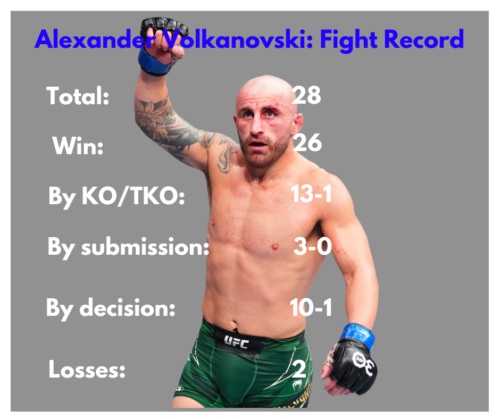
📊 Stats

Alexander Volkanovski. MMA. Australian MMA. UFC. UFC Featherweight Champion.

🏆 Fight Record

🏟️ Significant Professional Fights

Click on the links below for more details on Alexander Volkanovski’s significant fights.

Volkanovski’s victory over Chad Mendes represented a major step up in competition. Mendes was an experienced former title challenger with dangerous wrestling and knockout power, providing an important test of Volkanovski’s ability to compete with the featherweight elite.

After a competitive opening round, Volkanovski increased the pressure and work rate, eventually stopping Mendes by TKO in the second round. The performance demonstrated his conditioning, durability and ability to combine striking with wrestling against a high-level opponent.

At UFC 245, Volkanovski challenged Max Holloway for the UFC Featherweight Championship. Holloway had established himself as the dominant force in the division, but Volkanovski produced a disciplined tactical performance built around movement, distance management and repeated low kicks.

Volkanovski won by unanimous decision, ending Holloway’s championship reign and becoming the UFC Featherweight Champion.

The title defence against Brian Ortega provided one of the clearest demonstrations of Volkanovski’s resilience and composure under pressure.

Volkanovski largely controlled the fight with his striking, but Ortega created serious danger on the ground, locking in a guillotine and later a triangle choke. Volkanovski escaped both submission attempts and responded aggressively, ultimately winning a unanimous decision after five rounds.

The fight demonstrated not only his technical ability and conditioning, but his capacity to remain composed and continue working while under extreme pressure.

The third meeting with Max Holloway produced Volkanovski’s most decisive performance in their rivalry.

Rather than the closely contested battles of their previous encounters, Volkanovski controlled the fight with exceptional speed, footwork, timing and accuracy. He won all five rounds on the judges’ scorecards to secure another unanimous decision victory.

The performance removed much of the lingering debate surrounding their rivalry and reinforced Volkanovski’s position at the top of the featherweight division.

Volkanovski moved up to lightweight at UFC 284 to challenge Islam Makhachev for the UFC Lightweight Championship and attempt to become a simultaneous two-division champion.

Facing an elite grappler with a considerable size advantage, Volkanovski demonstrated excellent takedown defence, scrambling ability and striking throughout five highly competitive rounds. Makhachev ultimately retained the championship by unanimous decision, but Volkanovski’s ability to compete so effectively at lightweight further demonstrated his technical versatility.

Although unsuccessful in his attempt to capture a second championship, the performance became one of the defining fights of his career.

After more than a year away from competition, Volkanovski returned against Diego Lopes for the vacant UFC Featherweight Championship.

At 36 years old and coming off consecutive knockout defeats, Volkanovski entered the fight with considerable questions surrounding his future. Over five rounds, however, he demonstrated the movement, timing, conditioning and tactical control that had characterised his first championship reign.

Volkanovski won by unanimous decision, reclaiming the featherweight championship and becoming a two-time UFC Featherweight Champion.

💪 Training

Alexander Volkanovski’s training combines striking, grappling, strength and conditioning, reflecting the varied physical and technical demands of MMA. His training incorporates boxing, kickboxing, Brazilian Jiu-Jitsu and wrestling, with considerable emphasis placed on timing, movement and fight-specific strategy.

Strength and conditioning provides the physical foundation for this work. Weight training, plyometrics, agility drills and cardiovascular conditioning help develop the explosive power, athleticism and endurance required to maintain a high work rate throughout a fight.

Regular sparring and technical drilling allow Volkanovski to apply these qualities in a fight-specific environment. Wrestling and grappling drills develop takedowns, takedown defence, positional control and scrambling ability, while pad work and striking drills sharpen speed, accuracy, combinations and movement.

Alexander Volkanovski. MMA. Australian MMA. UFC. UFC Featherweight Champion.

Although he comes from a wrestling background, Alex is equally known for his vast array of strikes. Particularly from boxing and Muay Thai.

Conditioning is particularly important to Volkanovski’s approach. His ability to repeatedly strike, wrestle, scramble and move at pace requires both aerobic endurance and high-intensity repeat-effort capacity. Alongside technical training and strength work, recovery and appropriate nutrition help him tolerate the demands of training and arrive prepared for competition.

The result is a training approach that develops the same broad qualities required inside the Octagon: strength, power, speed, endurance, movement and technical efficiency.

🇦🇺 Land Down Under Circuits

These circuits are inspired by the training demands and fighting style of Alexander ‘The Great’ Volkanovski. They combine bodyweight and resistance exercise, cardiovascular conditioning, wrestling and MMA drills to develop many of the physical qualities required in mixed martial arts.

🧰 Equipment

Various functional, low-tech equipment can be used, although not all of it is essential and exercises can be substituted where necessary. Useful equipment for these workouts includes sandbags, dumbbells, barbells, boxing/MMA gloves, a punchbag, sparring pads, medicine balls and resistance bands.

🏗️ Structure

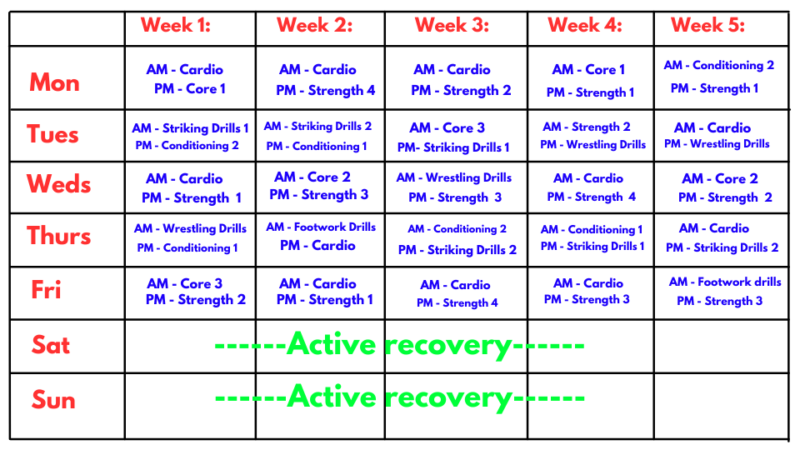
The full programme uses a two-a-day training structure across five days, inspired by the demands of high-level MMA preparation. Sessions are divided between MMA training, cardiovascular conditioning, core work and strength training, with the weekly timetable below determining the emphasis of each session.

A typical morning session might focus on MMA skills and conditioning, while the afternoon session may contain cardio, agility, core or strength work. Weekends are reserved for active recovery.

Click on the links below for more details on the structure of the Alexander Volkanovski Workouts.

Volkanovski’s success is built around his ability to combine striking, movement and wrestling into an effective MMA game. This section concentrates on striking combinations incorporating punches, kicks, elbows and knees, alongside wrestling drills and MMA conditioning circuits.

The striking combinations develop coordination, footwork, distance judgement and combinations, while the wrestling drills introduce the takedowns, sprawls and grappling movements required in MMA. Conditioning circuits use functional exercises and HIIT-style training to develop the ability to repeatedly produce high-intensity efforts under fatigue.

Overall, the MMA circuits seek to improve striking, footwork, coordination, mobility, agility, speed, strength, power and conditioning.

One of Alexander Volkanovski’s defining physical qualities is his exceptional conditioning. Maintaining movement, striking output, wrestling exchanges and technical control across five rounds requires considerable cardiovascular fitness and muscular endurance.

Our cardio and core sessions draw inspiration from those demands, combining cardiovascular conditioning with dynamic core training designed to develop endurance, trunk strength and stability. Together, these qualities provide an important physical foundation for both combat sports and general athletic performance.

Strength and power play an important role in Volkanovski’s wrestling, clinch work, striking and overall physicality. This section uses resistance training and functional movements to develop the physical qualities that support those demands.

The sessions combine compound lifts, resistance exercises and explosive movements, targeting strength and power while also developing general physical capacity. Beyond combat sports, resistance training can contribute to muscular strength, bone health and long-term functional capacity.

🗓️ Timetable

🥊 MMA Drills

(3-4 days a week)

🎯 Objectives

  • Incorporate shadowboxing sessions focusing on MMA striking combinations, footwork, head movement, feints and changes of stance.
  • Utilise heavy bag workouts to practise striking combinations, including jabs, crosses, hooks and uppercuts.
  • Include kicks, teeps (push kicks), elbows and knee strikes alongside boxing combinations.
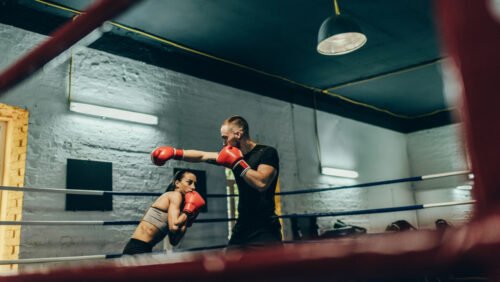
  • (Where possible) add pad work sessions partnering with someone to simulate coach-pupil drills and improve accuracy and timing.
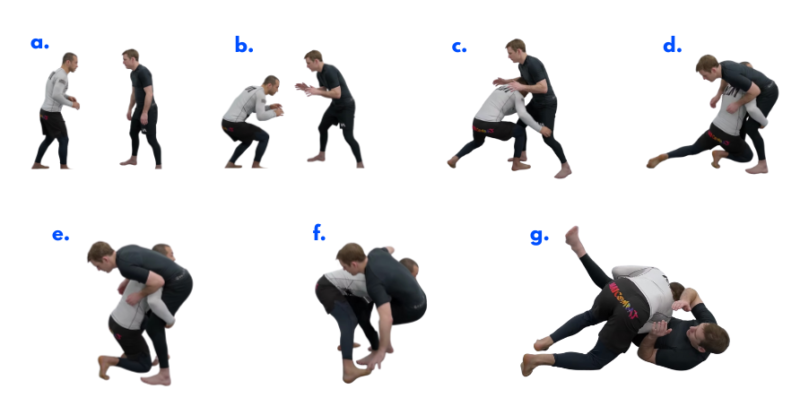
  • Integrate basic takedown drills, including single-leg and double-leg takedowns, and focus on proper technique.
  • Include grappling drills such as ground transitions, reversals and submission setups to improve your ground game.

NB: The MMA workouts emphasise speed, power, agility and technical movement. Keep the intensity appropriate around the heavier strength sessions, using lower-intensity technical work where additional recovery is required.

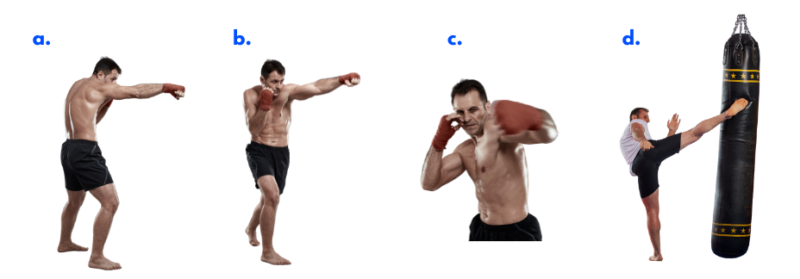
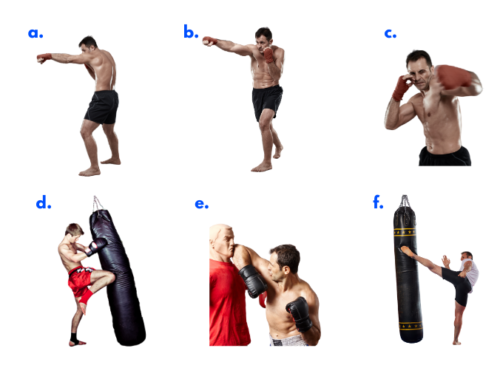
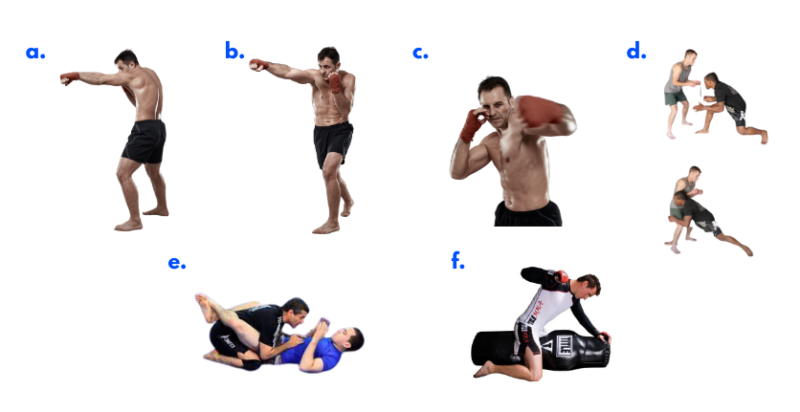
👊🏻 MMA Striking Basics

MMA Basics
Predator. Francis Ngannou. Bodyweight Workout. MMA workouts. MMA Drills. MMA. UFC. Mixed Martial Arts.

🤼🏻 Basic Wrestling Takedowns and Throws

Basic Double Leg Takedown

Basic Hip Throw

🌡️ Warm Ups

For all MMA sessions ensure you warm up properly beforehand.

Undertake 3 x 1-minute rounds of the following:

  • Jumping jacks.
  • Reverse lunges.
  • Ice skaters.
  • Burpees.
  • Inchworms.
  • Duck Walks.
  • Run-on the spot with punches.
MMA warmups. MMA workouts. MMA Drills. MMA. UFC. Mixed Martial Arts.

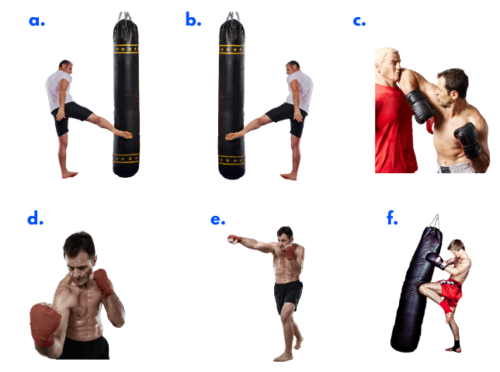
💥 MMA Striking

👊🏻 Striking Drill 1

Combo 1: 5 mins

  • Jab (lead hand straight punch).
  • Cross (rear hand straight punch).
  • Left Hook (lead hand hook).
  • Right Kick (rear leg roundhouse kick).
MMA Striking drills. MMA for beginners. MMA conditioning.

Combo 2: 5 mins

  • Teep (lead leg push kick).
  • Cross (rear hand straight punch).
  • Left Knee (from clinch position).
  • Right Elbow (close-range strike).
  • Left Kick (lead leg roundhouse kick).
MMA Striking drills. MMA for beginners. MMA conditioning.

Combo 3: 5 mins

  • Jab (lead hand straight punch).
  • Cross (rear hand straight punch).
  • Left Hook (lead hand hook).
  • Right Knee (from close range).
  • Right Elbow (close-range strike).
  • Left Kick (lead leg roundhouse kick).
MMA Striking drills. MMA for beginners. MMA conditioning.

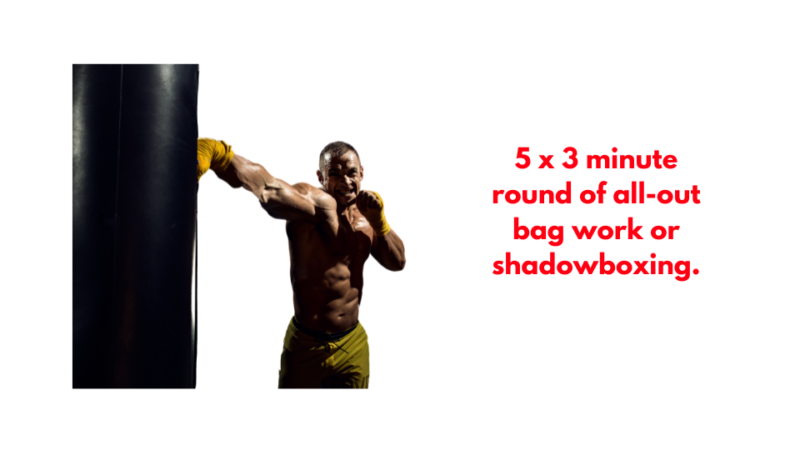
🔥 Finisher:

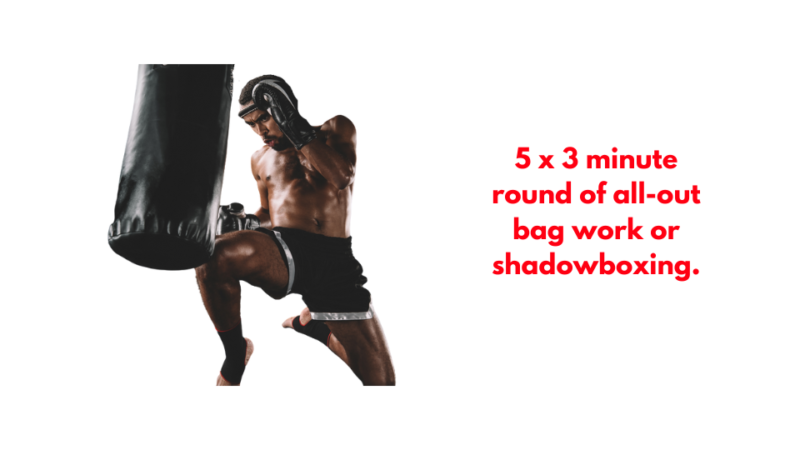
Freestyle on the heavy bag – Different combinations, move around the bag. Punch knee, elbow, kicks, keep moving, and don’t forget to dodge and weave incoming blows. (5 x 3 minute rounds with 1 minutes rest between rounds).

MMA workouts. MMA conditioning.

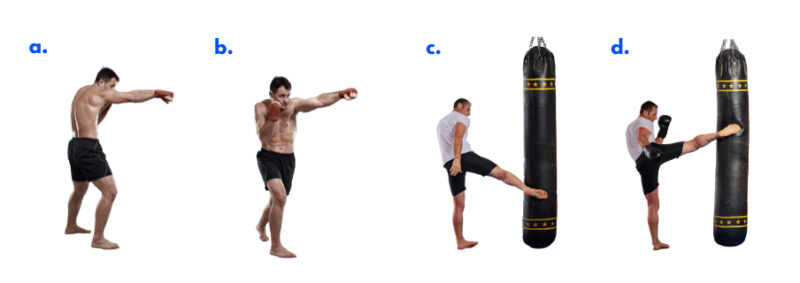
👊🏻 Striking Drill 2

Combo 1: 5 mins

  • Jab.
  • Cross.
  • Low kick.
  • Kick to midsection.
MMA Striking drills. MMA for beginners. MMA conditioning.

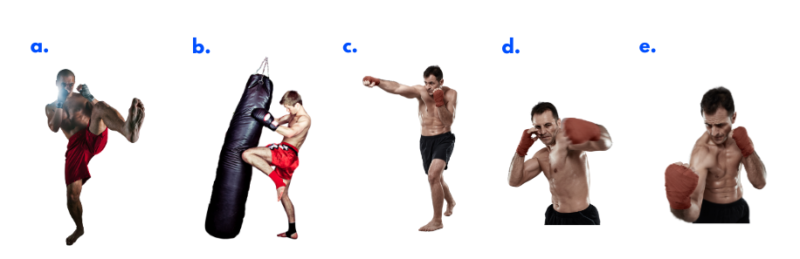
Combo 2: 5 mins

  • Lead teep (push kick).
  • Knee strike.
  • Cross (straight punch).
  • Lead hook.
  • Uppercut.
MMA Striking drills. Mixed Martial Arts. MMA conditioning.

Combo 3: 5 mins

  • Low rear kick.
  • Low lead kick.
  • Rear elbow strike.
  • Lead uppercut.
  • Rear Cross (straight punch).
  • Lead Knee.
MMA Striking drills. Mixed Martial Arts. MMA conditioning.

🔥 Finisher:

Freestyle on the heavy bag – Different combinations, move around the bag. Punch knee, elbow, kicks, keep moving, and don’t forget to dodge and weave incoming blows. (5 x 3 minute rounds with 1 minutes rest between rounds).

MMA Workout. MMA conditioning.

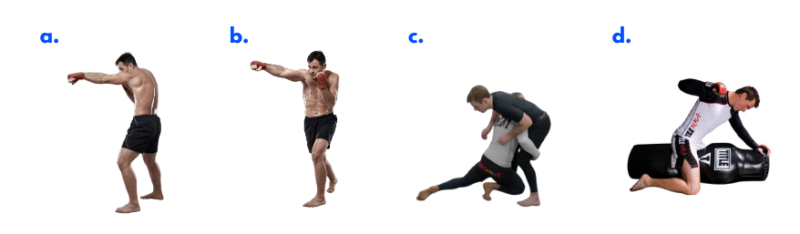
🤼🏻 MMA Wrestling Drills

For Alexander Volkanovski, wrestling has been a cornerstone of his development as an MMA fighter, contributing to his takedown defence, positional control and ability to transition between striking and grappling.

Wrestling drills provide an intense form of full-body conditioning, combining explosive movements, changes of direction and repeated high-intensity efforts. They develop strength, power, muscular endurance and cardiovascular fitness while demanding coordination and control under fatigue.

Beyond the physical demands, wrestling also requires technical discipline, rapid decision-making and the ability to react under pressure, making it particularly well suited to an MMA-focused finisher.

Combo 1: Striking into Takedown Setup - 5 mins

  • Jab (lead hand straight punch).
  • Cross (rear hand straight punch).
  • Level Change into Double Leg Takedown.
  • Ground and Pound (simulate strikes on the ground).
MMA Wrestling drills. Mixed Martial Arts. MMA conditioning.

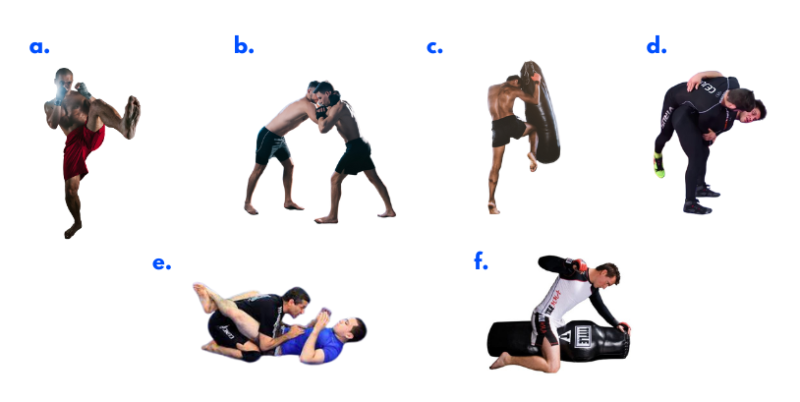
Combo 2: Clinch to Strikes and Takedown - 5 mins.

  • Teep (lead leg push kick).
  • Clinch (close the distance).
  • Deliver a series of Knee Strikes.
  • Level Change into Hip Toss or Judo Throw.
  • Transition to Dominant Ground Position.
  • Ground Strikes.
MMA Wrestling drills. Mixed Martial Arts. MMA conditioning.

Combo 3: Striking Combination into Single Leg Takedown - 5 mins.

  • Jab (lead hand straight punch).
  • Cross (rear hand straight punch).
  • Left Hook (lead hand hook).
  • Level Change into Single Leg Takedown.
  • Establish Top Control or Dominant Position.
  • Ground and Pound or Rear naked choke.
MMA Wrestling drills. Mixed Martial Arts. MMA conditioning.

🔥 Finisher:

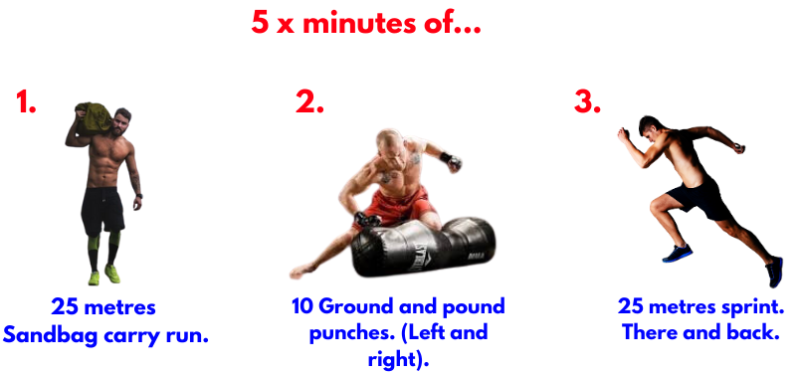
Sandbag dash – Carry sandbag 25 yds. Slam. 10 ground and pound punches. Sprint 25 metres and back. Repeat. 5 x 1-minute rounds.

Khabib Nurmagomedov. UFC. MMA. Combat Sambo. Pankration. Dagestan. MMA Workout. Strength and conditioning. Bodyweight workouts. Resistance training. MMA drills.

🔋 MMA Conditioning

Alexander Volkanovski’s success in MMA has been underpinned by exceptional conditioning and explosive strength. These qualities allow him to maintain a high work rate across prolonged striking, wrestling and grappling exchanges without sacrificing technical performance.

This conditioning-focused section draws inspiration from those physical demands. Through a combination of high-intensity exercise and interval training, the workouts aim to develop cardiovascular fitness, muscular endurance and the ability to repeatedly produce powerful efforts under fatigue.

For Volkanovski, conditioning is a fundamental part of his fighting style, allowing him to maintain pressure, respond to changes in pace and continue performing effectively deep into championship rounds.

🧩 Structure

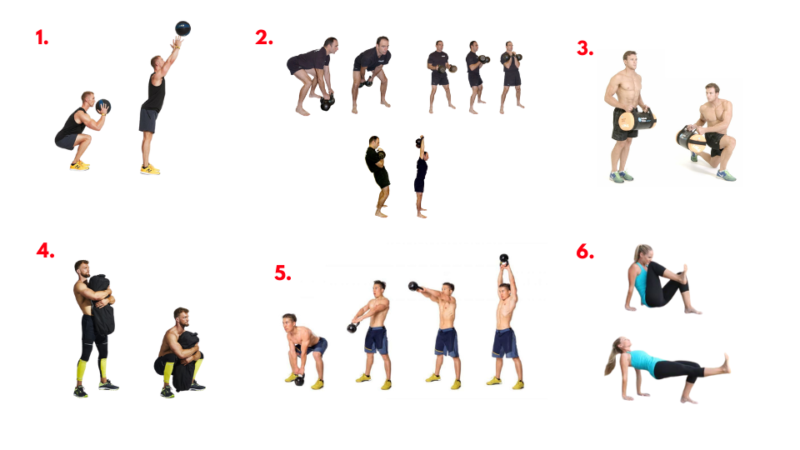
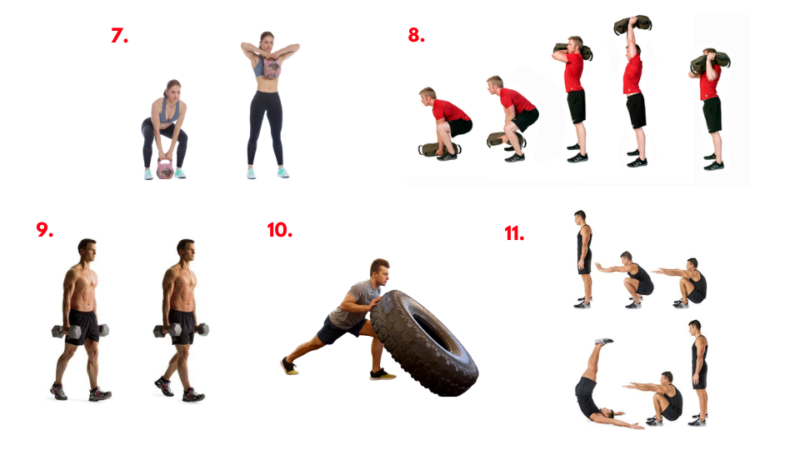
Perform each exercise for 45 seconds, followed by 15 seconds of rest before moving to the next exercise. Use moderate weights for these exercises. 2 x rounds for beginners. 3 x rounds for intermediate. 4 x rounds for advanced. 90 secs rest after each completed circuit.

⚡ Conditioning Circuit 1

45 seconds stations. 15 seconds to transition.

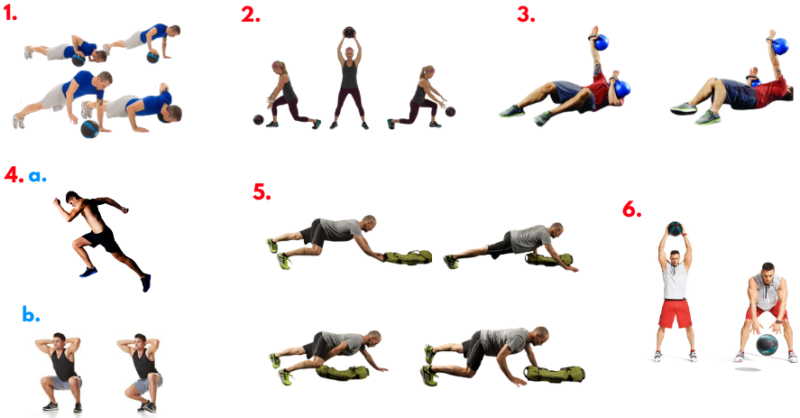
  1. Med Ball push ups.
  2. Medicine Ball Lateral slams.
  3. Kettlebell Angel press.
  4. Sprint x 25 meters. Duck walks x 25 meters.
  5. Sandbag Drag.
  6. Medicine Ball Slams.
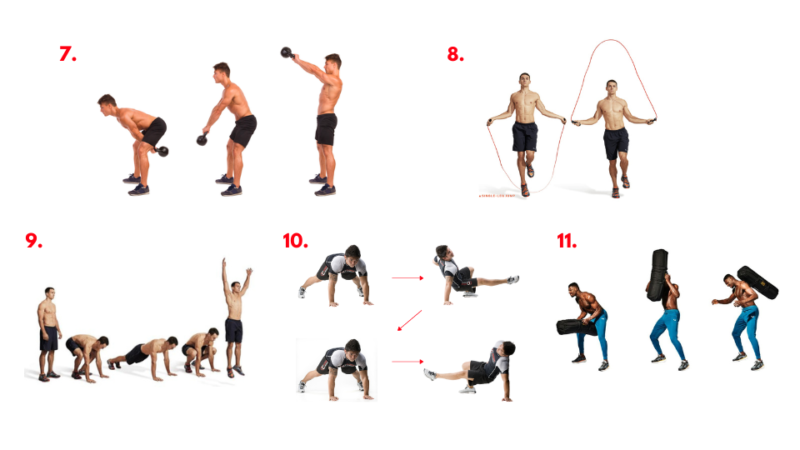
  7. Kettlebell Swings.
  8. Jumping rope.
  9. Sprawl with box jump.
  10. MMA kick throughs.
  11. Med ball Over-Shoulder Toss.
Mixed Martial Arts. MMA conditioning.

⚡ Conditioning Circuit 2

45 seconds stations. 15 seconds to transition.

  1. Wall balls.
  2. Kettlebell push press and jerk.
  3. Sandbag lunges with rotation.
  4. Goblet squats
  5. ‘American’ Kettlebell swings.
  6. MMA Up kicks.
  7. Kettlebell high pulls.
  8. Sandbag shouldering.
  9. Farmers walks
  10. Tire flips.
  11. Reverse burpees.
Mixed Martial Arts. MMA conditioning.

👣 MMA Footwork

Alexander Volkanovski’s footwork is a fundamental part of his fighting style. His movement and positioning allow him to manage distance, create angles, control exchanges and move in and out of striking range despite frequently facing taller opponents with a longer reach.

Drawing inspiration from this aspect of his game, these sessions focus on balance, speed, coordination and lateral movement. The drills are designed to develop quicker changes of direction, improved agility and greater control of body position while moving at pace.

MMA Footwork. Alexander Volkanovski workout.

🔄 Circle and Pivot Drills: 5 mins.

  • Imagine an opponent in front of you and move around them in circular patterns.
  • Practice pivoting on your lead foot to create angles for punches while maintaining proper guard.
  • This drill helps you practice creating openings and attacking from different angles.

👥 Mirror Drill with Partner: 5 mins.

  • Stand facing a partner, and take turns leading. One person initiates movement while the other mirrors their footwork.
  • This drill helps improve your ability to read your opponent’s movements and react quickly.

🪢 Slip Rope Drill: 5 mins.

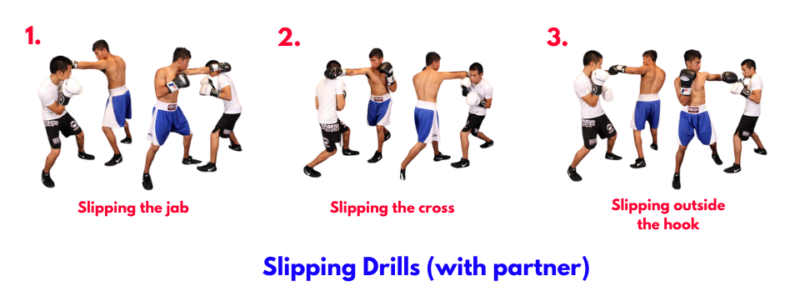
  • Hang a rope or a string at head height. Practice slipping side to side and ducking under the rope to develop head movement and foot coordination.

🔺 Cone Drill: 5 mins.

  • Set up cones in a zig-zag pattern and weave in and out while maintaining a low stance.
  • This drill enhances your lateral movement, speed, and agility.

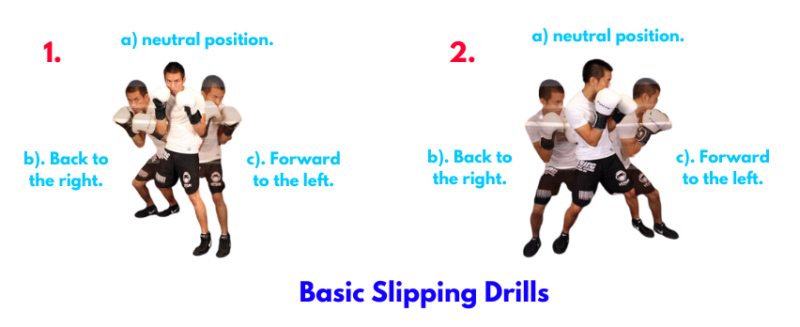
👊🏻 Shadowboxing with Defensive Footwork: 5 mins.

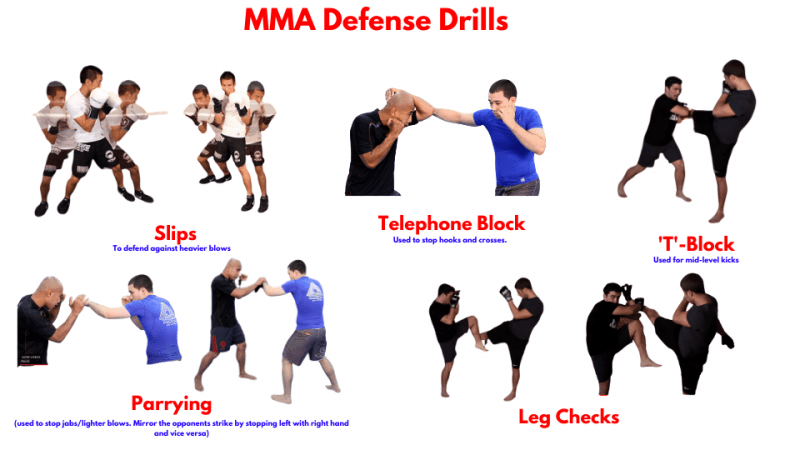
  • Incorporate defensive movements like slipping, bobbing, and weaving into your shadowboxing, focusing on moving your feet in sync with your upper body.
Mixed Martial Arts. MMA Footwork.
Mixed Martial Arts. MMA footwork.

📝 Notes:

Stay controlled and deliberate throughout each drill. Keep your guard up, stay balanced and avoid crossing your feet. Move lightly, keep your weight centred and focus on clean changes of direction. Prioritise technique over speed, then increase the pace as your movement becomes sharper.

🫀 Cardio and Core

Alexander Volkanovski’s exceptional conditioning and core strength are fundamental to his ability to maintain a high work rate throughout a fight. This section focuses on high-intensity interval cardio and dynamic core training designed to develop cardiovascular fitness, muscular endurance and core strength.

🏃🏻 Cardio

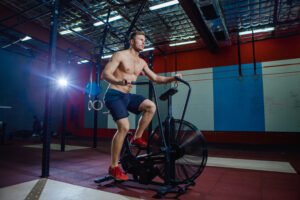
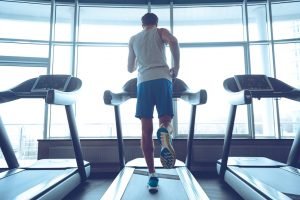
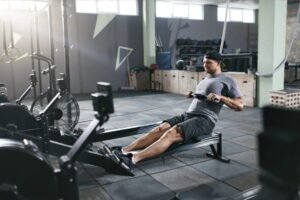
The cardio session consists of approximately 45 minutes of interval training, divided between running, rowing and the assault bike.

Complete 15 minutes on each discipline, alternating:

  • 60 seconds at a moderate pace
  • 30 seconds sprinting

Continue alternating between the two intensities for the full 15 minutes before moving to the next discipline.

Treadmill Sprints. Cardio Work. Khabib Nurmagomedov Workout. MMA Workouts. Super Soldier Project.
Rowing. Cardio Work. Halls of Valhalla Workout. Warrior Workouts. Super Soldier Project.

15 mins of each for the cardio. With 1 x minute – moderate speed, 30 seconds sprint for each.

🧱 Core

This session uses a circuit format to develop core strength, stability and muscular endurance.

  • 8 x exercises per core circuit.
  • 40 seconds per exercise.
  • Repeat x 3 times.

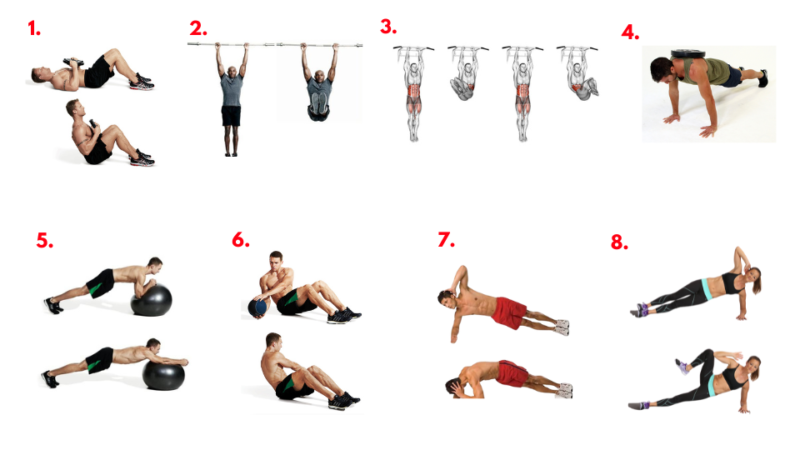
🔥 Core Workout Routine 1:

  1. Crunches.
  2. Hanging leg raises.
  3. Obliques hanging knee raises.
  4. Plank hold with weight.
  5. Swiss ball roll outs.
  6. Russian twists.
  7. Side plank crunches.
  8. Side plank knee raise.
Mixed Martial Arts. MMA core training. MMA conditioning.

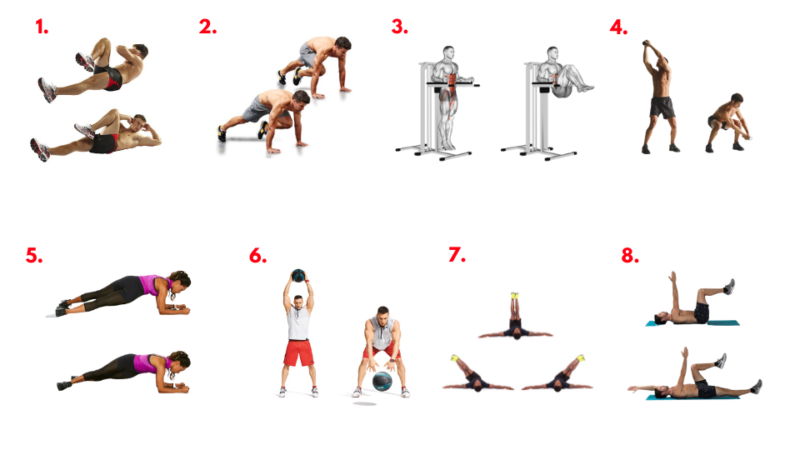
🔥 Core Workout Routine 2:

  1. Bicycle Crunches.
  2. Mountain Climbers.
  3. Hanging Knee Raises.
  4. Woodchoppers with dumbbell.
  5. Plank with oblique twists.
  6. Medicine Ball Slams.
  7. Windshield Wipers.
  8. Dead Bug.
Mixed Martial Arts. MMA core training. MMA conditioning.

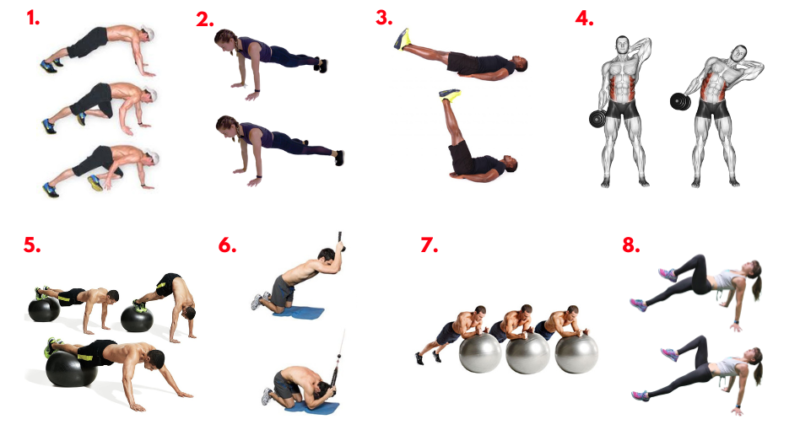
🔥 Core Workout Routine 3:

  1. Toe Touches.
  2. Plank Jacks.
  3. Lying Leg Raises.
  4. Dumbbell Side Bends.
  5. Hanging Windshield Wipers.
  6. Cable Crunches.
  7. Swiss Ball Stir the Pot.
  8. Reverse Plank Leg Lifts.
Mixed Martial Arts. MMA core training. MMA conditioning.

🏋🏻 Strength and Weight Training

Strength and power play an important role in Alexander Volkanovski’s wrestling, clinch work, striking and overall physicality. Drawing inspiration from these demands, this section combines resistance exercises, weight training and functional movements to develop strength while supporting athletic performance.

Alongside its application to MMA, resistance training can improve muscular strength, bone density and overall functional capacity.

The strength workouts use a standard circuit format. Complete the required reps for each exercise before moving directly to the next. Keep the transition between exercises short, then take a longer recovery period after completing the full circuit.

  • Rounds: 4-5
  • Reps: 8-12 per exercise
  • Rest between exercises: 15 seconds
  • Rest between rounds: 90 seconds
  • Load: Use a challenging but controlled weight that allows you to complete the prescribed reps with good technique.

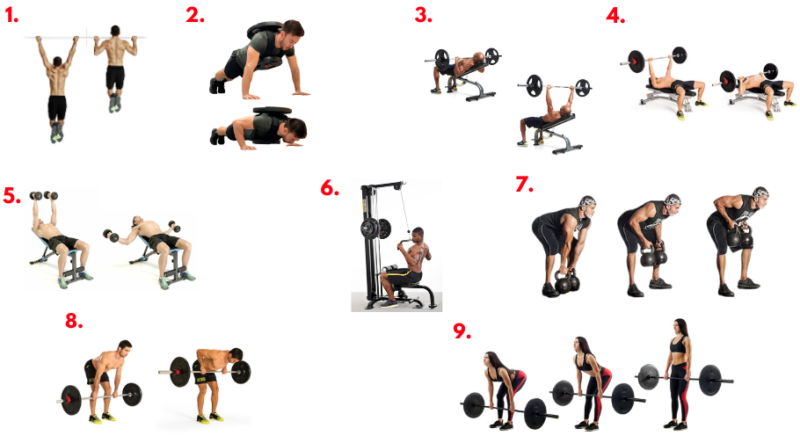
💪🏻 Strength Circuit 1:

  1. Pull-ups.
  2. Weighted push-ups.
  3. Incline bench press.
  4. Flat bench press.
  5. Dumbbell or Cable flyes.
  6. Lat pulldowns.
  7. Kettlebell rows.
  8. Barbell rows.
  9. Deadlifts.
Alexander Volkanovski Workout. Mixed Martial Arts. MMA strength training. MMA conditioning.

🔥 Finisher:

Freestyle 5 x 1 minute rounds on the Heavy bag.

💪🏻 Strength Circuit 2:

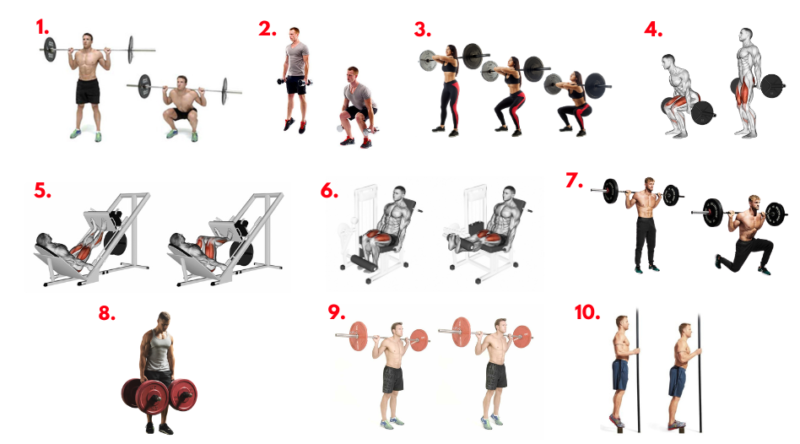
  1. Barbell squat.
  2. Dumbbell/Kettlebell squat to jump.
  3. Zercher front squats.
  4. Hack squats.
  5. Leg press.
  6. Leg extension.
  7. Walking lunges.
  8. Farmer walks.
  9. Calf raises.
  10. Standing calf raises.
Alexander Volkanovski Workout. Mixed Martial Arts. MMA strength training. MMA conditioning.

🔥 Finisher:

Freestyle 5 x 1 minute rounds on the Heavy bag.

💪🏻 Strength Circuit 3:

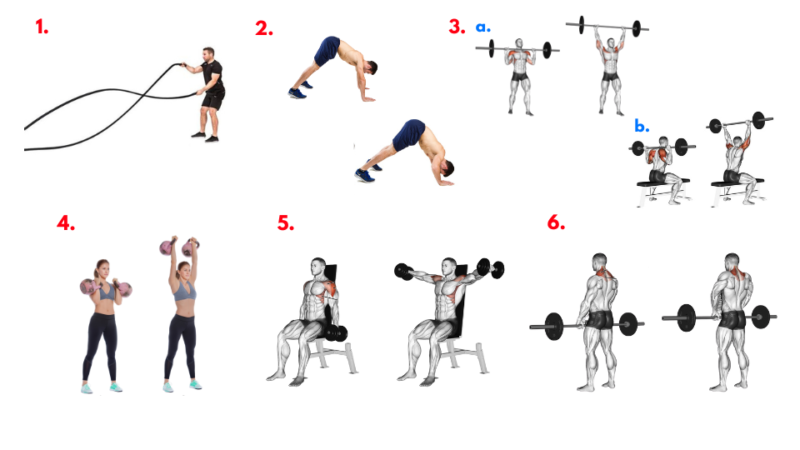
  1. Battle ropes (5 sets till failure with 30 seconds rest in between each set).
  2. Pike push-ups.
  3. Barbell shoulder press (front & back).
  4. Kettlebell shoulder press.
  5. Lateral raises.
  6. Shrugs.
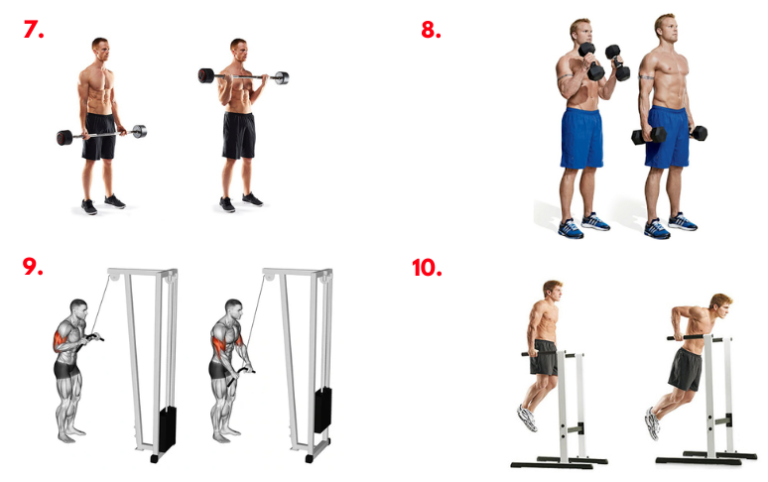
  7. Biceps curls.
  8. Hammer curls.
  9. Triceps pushdowns.
  10. Triceps dips.
Alexander Volkanovski Workout. Mixed Martial Arts. MMA strength training. MMA conditioning.

🔥 Finisher:

Freestyle 5 x 1 minute rounds on the Heavy bag.

💪🏻 Strength Circuit 4:

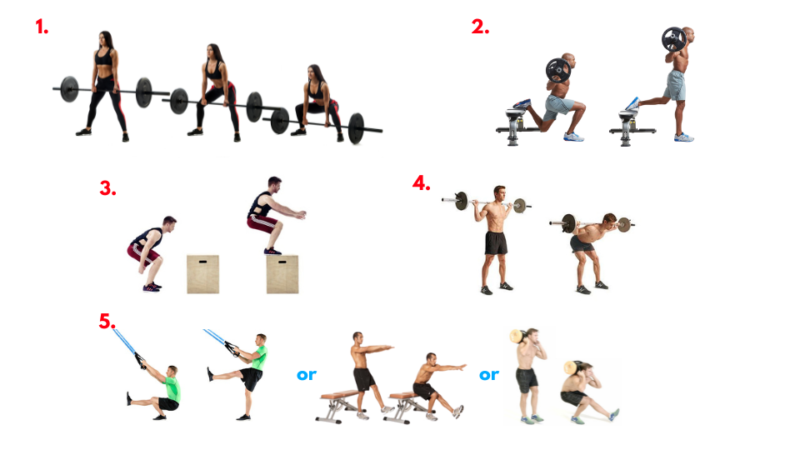
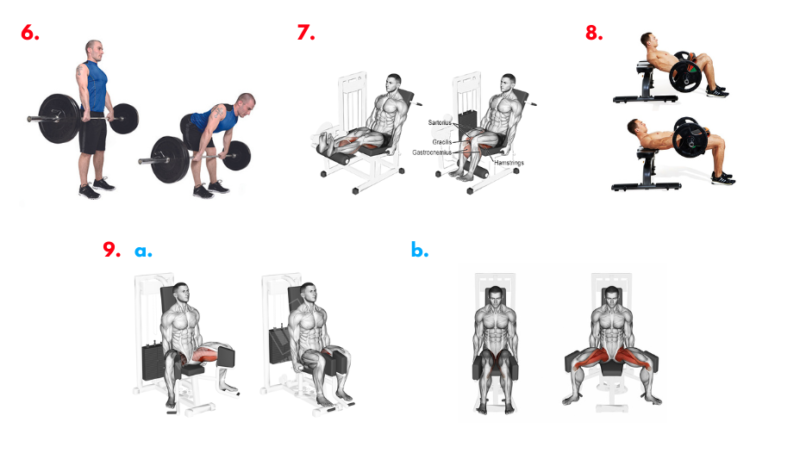
  1. Barbell Sumo squats.
  2. Bulgarian squats.
  3. Box jumps.
  4. Good mornings.
  5. Pistol squats.
  6. Romanian deadlifts.
  7. Hamstring curls.
  8. Glute thrusters.
  9. a. Hip adduction. b.Hip abduction.
Alexander Volkanovski Workout. Mixed Martial Arts. MMA strength training. MMA conditioning.

🔥 Finisher:

Freestyle 5 x 1 minute rounds on the Heavy bag.

🥗 Recovery and Nutrition:

Training at this volume places considerable demands on the body, making recovery and nutrition an important part of the programme. Adequate energy intake, protein, carbohydrates, micronutrients and hydration all contribute to maintaining performance and supporting recovery between sessions.

For an MMA athlete such as Alexander Volkanovski, nutrition must also support the demands of technical training, strength work and conditioning while allowing bodyweight to be managed appropriately around competition. For the purposes of this programme, the priority is simpler: eat sufficiently, prioritise nutritious foods, stay hydrated and support recovery between workouts.

🎯 Aim of the Game:

  • Fuel your body with a diet rich in quality protein, complex carbohydrates, fruit, vegetables and essential nutrients to support training, recovery and energy levels.

🍽️ Example Meal Plan

  • Breakfast: Oatmeal with blueberries and banana. Eggs.
  • Snack: Protein smoothie.
  • Lunch: Chicken, rice and salad.
  • Second Lunch: Turkey breast and vegetables.
  • Evening Snack: Fruit and mixed nuts.
  • Dinner: Salmon, chicken or lean red meat with vegetables and rice.

💧 Whichever workout you undertake. Remember to always cool down, stretch and rehydrate!

🥊 Workout Complete!!

Alexander Volkanovski. MMA. Australian MMA. UFC. UFC Featherweight Champion.

⚠️ Warning!

Please be aware that I am not a professional fighter or instructor. This MMA workout is intended for fun and general fitness, not expert training. Prioritize safety by using proper techniques and gear. Practice moves cautiously and avoid excessive force, especially with throws and striking. If you’re looking for more intense training, consider seeking guidance from a professional MMA gym. Remember, this workout carries inherent risks, and you assume responsibility for any potential injuries.

If you have enjoyed this workout please share or feel free to comment below 🙂

🔗 Our Other Posts

Leave a Reply

Your email address will not be published. Required fields are marked *

This site uses Akismet to reduce spam. Learn how your comment data is processed.

error: Content is protected !!

Join the Super Soldier Project Mailing List Today!!