





Running improves every system that matters — body, brain, and resilience. In this post, we break down the 11 biggest benefits that make running one of the most powerful, accessible forms of training on the planet.
Table of Contents
🧰 Why Running Should Be Part of Your Training Toolkit
Running is the simplest training tool ever invented. No gym. No gear. No excuses. Just you, your lungs, the ground beneath your feet — and the choice to move forward.
Whether you want to lose weight, boost endurance, clear your head, or simply feel more alive, running upgrades every system that keeps you going: cardiovascular, metabolic, neurological, and psychological.
These are the 11 most impactful benefits of running — backed by real physiology, not hype, and presented in a way that matters to your life and performance.
💪🧬 Physiological Performance Benefits
❤️🔥 Improved Cardiovascular Capacity
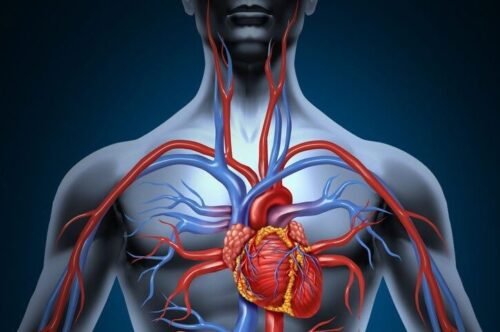
Running challenges the heart and lungs to deliver more oxygen, more efficiently. As intensity and weekly volume increase, the cardiovascular system adapts:
Lower resting heart rate — the heart becomes more efficient.
Greater stroke volume — more blood pumped per beat.
Higher VO₂ max — your body can use more oxygen under stress.
Improved circulation — faster delivery of nutrients and waste removal.
Running improves how efficiently the heart uses blood to deliver oxygen and vital nutrients to working muscles — the foundation of real endurance and high-intensity performance.
These upgrades translate directly into everyday performance. Climbing stairs, carrying shopping, training harder — everything feels easier when your heart and lungs are conditioned to work with less effort. A stronger cardiovascular system means you can push further, recover faster, and handle life’s physical and mental demands with greater resilience.
Lower resting heart rate — the heart becomes more efficient.
Greater stroke volume — more blood pumped per beat.
Higher VO₂ max — your body can use more oxygen under stress.
Improved circulation — faster delivery of nutrients and waste removal.
Quick Wins:
Better endurance.
Less breathlessness.
Easier recovery from effort.
🛡️ Health Resilience & Longevity
Running strengthens the body from the inside out. It improves how major systems function today, while protecting them for the future. Regular endurance training is linked to a reduced risk of:
Heart disease.
Type 2 diabetes.
High blood pressure.
Stroke.
Some cancers.
Endurance exercise helps keep arteries clearer and more flexible — reducing the strain on the heart and lowering the long-term risk of conditions like heart disease and stroke.
Better blood lipid profiles, reduced chronic inflammation, and improved insulin sensitivity all contribute to a healthier internal environment — one less prone to disease and fatigue.
Even small weekly sessions have a measurable impact. Studies show that just 5–10 minutes of running per day can improve life expectancy by lowering overall mortality risk.
Running isn’t just exercise — it’s preventive medicine.
Quick Wins:
Lower long-term disease risk.
Stronger immune system.
Greater physical independence as you age.
🔥 Metabolic Health & Weight Management
Running increases daily energy expenditure and supports healthy body composition. Even short sessions — 15–45 minutes — help the body access stored fat for fuel and improve insulin sensitivity and metabolic flexibility (switching efficiently between carbohydrates and fats).
Intervals, hills, and tempo work enhance this effect by increasing post-exercise oxygen consumption — keeping energy output elevated well after the session ends.
Running does more than support weight loss — it strengthens the metabolic systems that help maintain progress long-term.
Running uphill increases oxygen demand and forces the body to work harder with every stride — meaning you use more stored fat for fuel and keep burning calories long after the workout ends.
Quick Wins:
Increased calorie burn.
Improved fat utilisation.
Better blood sugar control.
🧱 Stronger Bones, Joints & Connective Tissue
Running applies controlled impact through the lower body, stimulating bones to become denser and more resilient. This supports long-term skeletal health and reduces fracture risk as we age.
Tendons and ligaments adapt to repeated loading by becoming stronger and more efficient at managing force, while improved synovial fluid circulation helps maintain cartilage health and smoother joint movement.
With sensible progression — varied surfaces, gradual volume increases, balanced strength work — running supports a durable movement system that holds up to real-world demands.
Quick Wins:
Greater bone density and stability.
Stronger tendons and ligaments.
Better joint tolerance under load.
📈 Boosted Daily Energy & Functional Fitness
Running improves the body’s ability to produce and sustain energy throughout the day. As cardiovascular efficiency and metabolic flexibility improve, everyday tasks feel lighter — whether you’re on your feet at work, chasing kids, or climbing stairs with shopping bags. Regular running also enhances mitochondrial function — the energy engines inside your cells. More and healthier mitochondria mean you can do more before fatigue kicks in, and bounce back faster when it does. These gains show up across your whole lifestyle: fewer energy slumps, better focus, and a stronger sense of physical capability from morning to evening.
Quick Wins:
More consistent daily energy.
Less fatigue during normal tasks.
Easier movement in everyday life.
🦵🎯 Movement & Functional Benefits
🧩 Movement Skill, Coordination & Physical Awareness
Running is a coordinated skill. Each stride requires the brain, muscles, and connective tissues to work together efficiently. Over time, this improves balance, gait mechanics, and proprioception — your ability to react quickly and stay controlled during movement.
Training on varied surfaces such as trails, parks, and hills further develops stability and footwork while strengthening supportive muscles around the hips, knees, and ankles. This reduces everyday injury risk and builds more confident movement overall.
Quick Wins:
Better balance and coordination.
More efficient running mechanics.
Lower risk of common sprains and stumbles.
💪 Strength, Power & Muscular Endurance
Every stride of a run requires force production from the legs and core. Over time, this builds stronger:
Glutes and hamstrings for propulsion.
Quads and calves for shock absorption and stability.
Core muscles for balance and posture under movement.
Short bursts of all-out effort recruit fast-twitch muscle fibres and build explosive speed — turning running into a full-body power workout.
Running also improves muscular endurance — the ability to sustain repeated contractions without fatigue. Uphill running, speed work, and sprints add a power element, increasing fast-twitch muscle recruitment and overall force output.
These adaptations support stronger, more efficient movement across any sport or activity — from lifting to hiking to simply carrying more confidence in how your body performs each day.
Running builds a body that stays strong under pressure — mile after mile.
Quick Wins:
Stronger lower body and core.
Better muscular endurance.
More powerful and efficient stride.
🚀 A Lifelong Tool for Growing and Evolving
Running adapts easily to changing goals, schedules, and abilities. Distance, pace, surface, and frequency can all be adjusted without losing effectiveness, making it viable through different stages of life. It supports multiple priorities at once — improving health, physical capability, and cognitive function — while also offering structure and progression for those who want measurable development over time. If maintaining long-term physical independence and capacity matters, running remains a reliable and efficient option.
Progress can be felt in small but meaningful ways:
Quick Wins:
Adaptable to any fitness level.
Supports multiple goals at once.
Sustainable as a long-term habit.
🎯 Clear, Measurable Progress
Running offers simple, motivating metrics that make improvement easy to see. Distance, pace, time, heart rate, recovery — these indicators provide instant feedback on how your fitness is adapting.
Progress can be felt in small but meaningful ways:
A familiar route feels easier.
Your heart rate stays lower at the same pace.
You recover faster after tougher sessions.
Tracking pace, distance, and heart rate gives you immediate feedback on progress — making it easier to see what’s improving and where to focus next.
Tracking performance — whether through a running watch, an app, or a basic training log — creates structure and direction. It eliminates guesswork and reinforces motivation by showing exactly how far you’ve come. Measurable progress builds confidence. Every run becomes a clear step forward.
Quick Wins:
Immediate feedback on fitness.
Stronger motivation through visible results.
Consistency supported by clear goals.
🧘♂️🔥 Mental & Cognitive Benefits
😌 Stress Relief, Mood & Better Sleep
Running lowers cortisol, increases endorphins and serotonin, and helps stabilise the nervous system. The result is clearer thinking, reduced anxiety, and a more balanced mood.
These same physiological shifts support better-quality sleep. The body’s increased demand for recovery after running encourages deeper rest, while improved hormonal balance helps maintain a steadier sleep–wake rhythm — especially during stressful periods.
Running provides a reliable way to regulate stress, improve emotional control, and support overall recovery.
Running drops stress hormones like cortisol and lifts the chemicals that improve mood — clearing your head and helping you handle life with more control.
Quick Wins:
Lower stress and anxiety.
Clearer mood and focus.
Better-quality sleep.
🧠 Sharper Brain & Better Thinking
Running increases blood flow and oxygen delivery to the brain while elevating Brain-Derived Neurotrophic Factor (BDNF) — a protein essential for neural growth, repair, and cognitive health. These changes support clearer thinking, better memory, and improved decision-making both during and after training.
The repetitive, low-distraction nature of running also gives the mind space to process information more efficiently, improving problem-solving and emotional regulation.
Short-term clarity. Long-term brain protection. Same simple input.
Many runners notice their best ideas show up when they ‘zone out’ mid-run. As the mind settles and distractions drop away, focus and creativity have space to do their job.
Quick Wins:
Clearer thinking and better focus.
Improved memory and learning capacity.
Greater long-term brain health.
🧠🔥 Mental Toughness & Stress-Response Training
Running places the mind and body under manageable stress — elevated breathing, rising fatigue, the urge to slow down or stop. Learning to stay calm and focused in those moments builds a stronger stress-response system.
Over time, the brain becomes better at:
Regulating the fight-or-flight response.
Maintaining composure under pressure.
Shifting attention away from discomfort and towards action.
This resilience isn’t limited to training. The ability to stay controlled and purposeful when things get difficult carries into everyday life — work, relationships, personal goals, and unexpected challenges.
Running develops a mindset that doesn’t fold when conditions get uncomfortable. It teaches you that progress often begins after you want to slow down.
Quick Wins:
Improved mental resilience.
Better stress management.
More confidence under challenge.
🌍🤝 Social & Lifestyle Benefits
🤝 Community, Support & Accountability
Running makes it easy to connect with others who share similar goals. Whether it’s a local run club, Parkrun, organised races, or simply a friend who joins you at the weekend, the social side of running strengthens consistency — the key to long-term progress.
Training with others keeps you consistent — shared goals, shared effort, and the push to turn up even when motivation dips.
Belonging to a community helps motivation stay high. Progress becomes shared, setbacks feel smaller, and celebrating wins is far more rewarding.
Running isn’t always a solo act. Sometimes, the team keeps you moving when your willpower fades.
Quick Wins:
More consistent training habits.
Support during difficult sessions.
Higher enjoyment and motivation.
🌍 Explore More of the World
Running turns the environment into a training space. Changing terrain — parks, trails, hills, coastal paths — challenges balance, footwork, and stability while reducing monotony and improving motivation.
Running turns the world into your training ground — from Berlin’s fast streets to the Great Wall’s brutal climbs. You earn every kilometre, and the view hits harder because you worked for it.
Running also opens the door to global adventure. Half-marathons, marathons, trail races, ultras — every major city and countless unique locations host events that become travel goals. From New York to Tokyo, from Berlin to the mountains of Patagonia, running lets you explore the world with a purpose and finish with a medal to prove it.
Fitness becomes portable, and travel becomes a reason to keep improving.
Quick Wins:
More enjoyable and varied training.
Fitness you can take anywhere.
Travel experiences built around achievement.
💷 Low Cost, High Return
Running delivers major physical and mental benefits with minimal investment. A reliable pair of running shoes and weather-appropriate clothing are enough to train anywhere, anytime — with no membership fees, no equipment storage, and no waiting for machines.
Running is as expensive as you want it to be. Keep it simple, or go for all the gear and gadgets.
Optional tech like a running watch or heart-rate monitor can support progression, but none of it is required to make real improvements. The value comes from consistency, not expense.
Because running remains accessible even when time, money, or location change, it’s one of the most sustainable training methods for long-term health.
Quick Wins:
Train anywhere — no gym required.
Minimal financial commitment.
High impact on health and performance.
🏁 Final Thoughts
Running improves the systems that keep you functioning well — cardiovascular, metabolic, neurological, and structural. It strengthens your ability to handle stress, recover effectively, and stay capable as the years move on.
It doesn’t require ideal conditions. It doesn’t depend on equipment or routine.
You can step outside and train — wherever you are, whatever your schedule looks like.
Improvement comes from doing the work even when conditions aren’t ideal. Stay consistent, keep moving forward, and the results take care of themselves.
Not every session feels the same. Some days will be smooth, some won’t. But progress doesn’t come from perfection — it comes from showing up.
Running works because it’s consistent, adaptable, and firmly grounded in how the body and mind evolve with repeated effort. Keep running, keep improving — simple as that.
‘One run can change your day, many runs can change your life’.
(Unknown)
If you have enjoyed this post please share or feel free to comment below 🙂