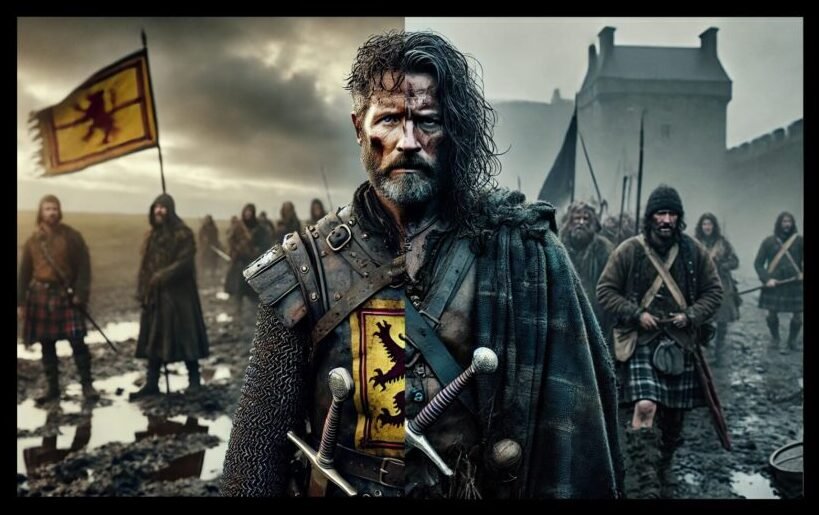
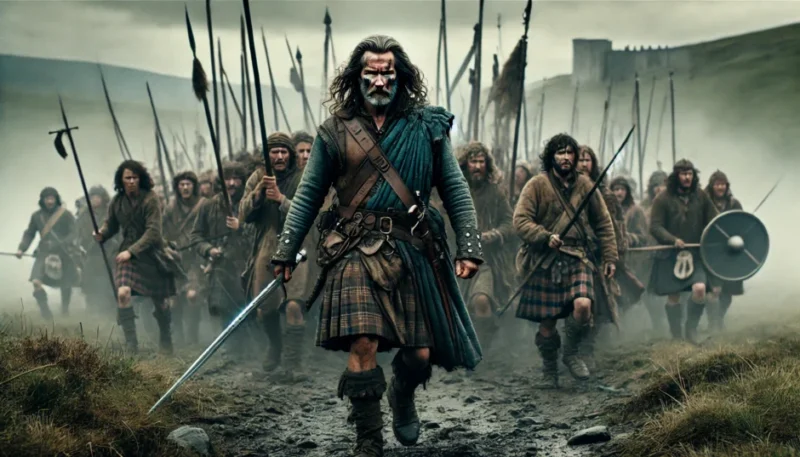



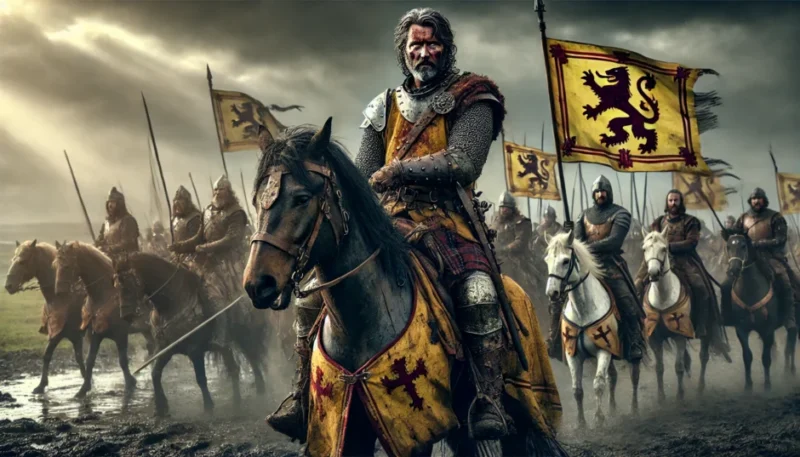



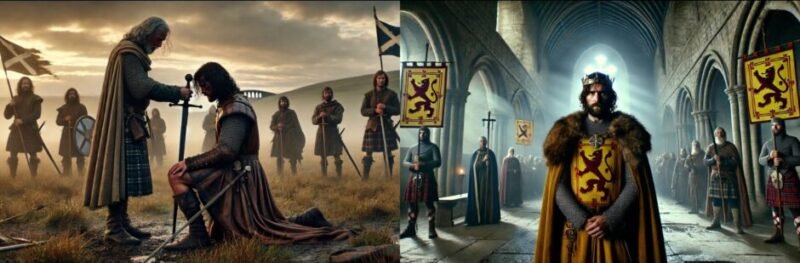




Scotland in the 13th and 14th centuries was not a unified nation in the modern sense. Power flowed through kinship networks — clans, lordships, and regional loyalties tied to land and lineage. Chiefs acted as protectors, judges, and war leaders, and allegiance was personal as much as political.
Feuds, rivalries, cattle raiding, and territorial disputes were not exceptions — they were part of the fabric of life. Honour and reputation carried real consequences. Violence was not spectacle; it was currency.
The remoteness of the Highlands and the strength of clan identity gave many regions a fierce independence. Loyalty to chief and kin often outweighed loyalty to crown. When war came, it was these networks of hardened fighters — men accustomed to raiding, ambush, and brutal reprisal — who formed the backbone of resistance.
Wallace and Bruce did not fight alone. They fought with — and sometimes against — the clans whose rivalries and alliances shaped the conflict as much as England did.