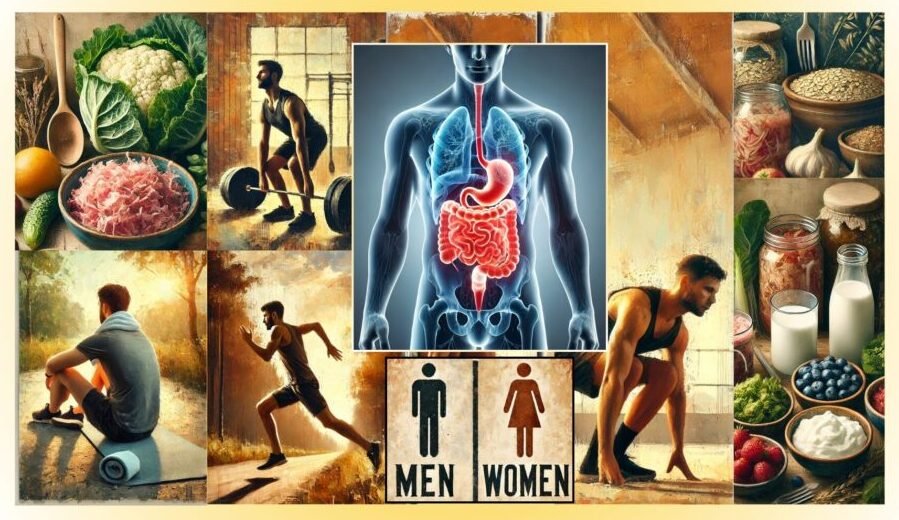







Illustration representing gut health as the internal system that supports energy, recovery, and peak physical performance.

The Internal Engine – Gut Health & Peak Performance

Gut health isn’t a wellness trend — it’s infrastructure. This post explains how the microbiome affects performance, recovery, and focus, and why athletes who ignore it end up training harder just to stand still.

Table of Contents

The Forgotten Training System

Everyone trains muscles, lungs, and mindset — but hardly anyone trains their gut. Big mistake. The gut is your hidden performance system, quietly running everything from energy production to mental focus. When it’s off, you’ll feel it: sluggish recovery, random fatigue, bloating, foggy head, mood swings.

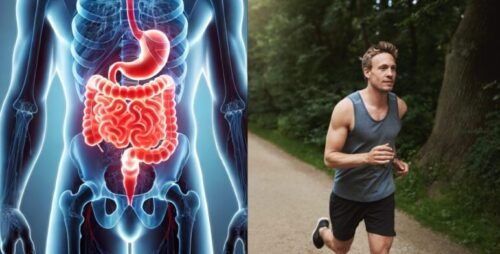
Digestive system shown alongside an athlete running, representing how gut health supports physical performance and endurance.
What happens in the gut determines how well fuel is absorbed, how quickly you recover, and how steady your energy feels — all of which show up in how you move and perform.

Mission Control: The Engine Behind the Athlete

Think of it like this: your gut is mission control. It processes fuel, powers recovery, keeps your immune defences online, and even tweaks your mental state under pressure. If it’s inflamed or imbalanced, you’re not firing at full output — you’re burning time and effort. Training hard while ignoring gut health is like racing a tuned car with a dirty air filter. The rest of the machine looks great, but inside? It’s choking.

Most athletes still see the gut as a food tube. Wrong. It’s a living ecosystem, packed with trillions of microbes that convert what you eat into usable power. When that system’s dialled in, you absorb nutrients better, bounce back faster, and stay calmer and sharper. When it’s off — you’re training at 70% and wondering why you can’t crack the next level.

So before you chase the next supplement or recovery fad, start where the pros do: inside. Because the strongest bodies in the world are built from the gut outwards.

The Athlete’s Microbiome

Inside your gut lives an army. Trillions of tiny organismsbacteria, fungi, and microbes — working around the clock to keep you running. This is your microbiome, and for athletes, it’s as vital as your training split. It decides how well you digest fuel, absorb nutrients, and bounce back after punishment. When it’s thriving, you feel it — energy’s stable, recovery’s smooth, focus is dialled in. When it’s wrecked, everything else goes downhill: poor sleep, inflammation, slow gains, constant fatigue.

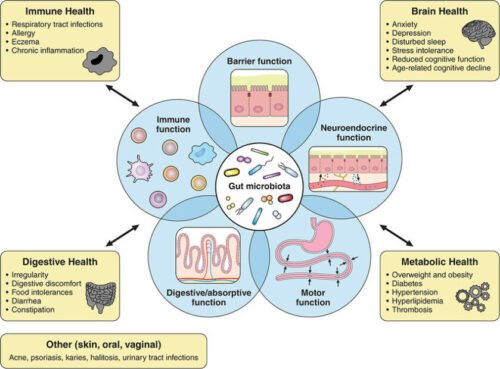
Illustrations showing how the gut microbiome supports digestion, immune function, metabolism, and stress regulation linked to physical performance.
The gut microbiome influences far more than digestion, supporting immune function, metabolism, and stress regulation that all affect performance.
Adapted from peer-reviewed research published via ResearchGate.

Fuel Conversion: Your Internal Pit Crew

A strong microbiome turns food into usable power. It extracts amino acids from your protein, converts carbs into glycogen faster, and helps regulate inflammation after a brutal session. That means better recovery and fewer days wasted waiting for your body to catch up. But when your gut’s balance slips — too much processed food, not enough fibre, too much stress — the system clogs.

Elite endurance athletes know this. They literally train their gut — practising how much fuel they can take mid-run without crashing their stomach. The goal isn’t just speed or stamina; it’s teaching the gut to absorb energy efficiently under stress. Because when the gut breaks down, the race ends early.

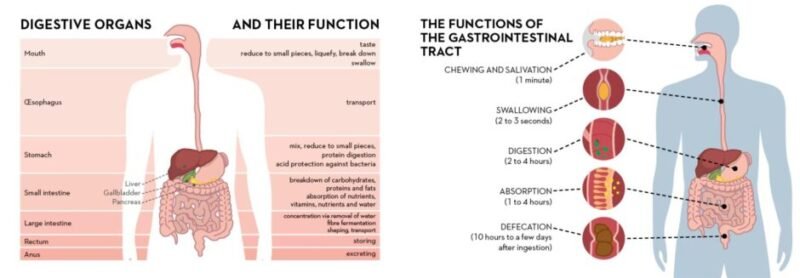
Food is processed through the digestive system over time, which is why energy and recovery depend on when fuel is actually absorbed — not just when it’s eaten.

So, start treating your gut like part of your training plan — not an afterthought. Feed it well, keep it balanced, and it’ll repay you with cleaner energy, faster recovery, and fewer breakdowns. Ignore it, and you’re leaving performance on the table.

🔬 Why the Gut Fails Under Hard Training

This section digs into what hard training actually does to the gut. When intensity and volume climb, the digestive system takes a hit — even if your nutrition is solid. Understanding this helps explain why athletes can eat well, train smart, and still feel flat during heavy blocks. If you want to know where recovery really starts to break down under pressure, it starts here.
Runner experiencing stomach discomfort during training, illustrating how gut issues can affect performance under physical stress.

Gut issues don’t just affect comfort — they affect how well you train and perform.

Click on the links below to read more.

During high-intensity training, your body prioritises blood flow to working muscles, heart, and lungs. The gut gets deprioritised. In prolonged or brutal sessions, gut blood flow can drop sharply, leading to temporary oxygen deprivation in the intestinal lining.

When that lining is stressed:

  • Intestinal permeability increases (“leaky gut”).
  • Endotoxins and inflammatory compounds enter circulation.
  • Systemic inflammation riseseven if your diet is solid.


This is why athletes can eat well and still feel wrecked during heavy blocks.

Hard training already elevates cortisol. Add gut inflammation and you amplify the stress response:

  • Sleep quality drops.
  • Protein synthesis becomes less efficient.
  • Recovery slows despite adequate calories.


Over time, this creates recovery debt — the quiet kind that doesn’t show up as injury, just stalled progress and persistent fatigue.

A resilient microbiome acts as a buffer:

  • It helps maintain the gut barrier under stress.
  • It moderates inflammation after training.
  • It improves nutrient absorption when the system is compromised.


More and more high-level training environments now keep an eye on gut health because it often shows overload and burnout before anything else does.

Train hard without protecting the gut, and you’re not just taxing muscles — you’re degrading the system responsible for rebuilding them.

Probiotics, Prebiotics & Recovery

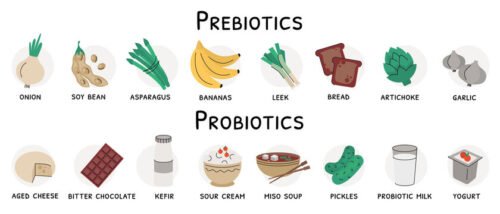
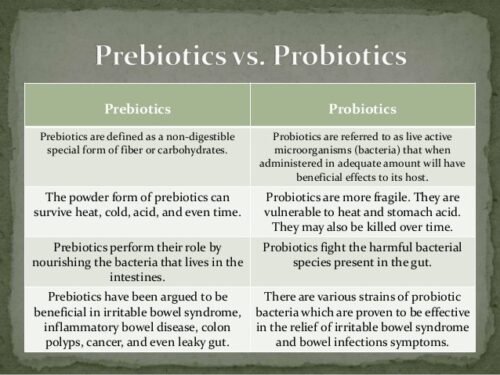
Think of probiotics and prebiotics as your gut’s version of elite support staff. Probiotics are the live bacteria — the good troops that hold the line. Prebiotics are their food supply, the fuel that keeps them active and multiplying. Together, they run your digestive logistics: breaking down nutrients, reducing inflammation, and helping your body recover faster between sessions.

Probiotics and prebiotics support gut health by helping maintain balance and resilience under training stress.

Rebuilding From the Inside Out

When you’re hammering your training, your gut takes damageheavy exertion, stress, caffeine, lack of sleep. Those factors strip away healthy bacteria, leaving your system underpowered. That’s where probiotics step in. You’ll find them in yoghurt, kefir, kimchi, sauerkraut, miso, and supplements. They repopulate your gut’s front line, helping it digest protein and carbs efficiently while fighting off inflammation that slows recovery.

But those bacteria can’t work without fuel. That’s where prebiotics come in — fibre-rich foods like oats, bananas, garlic, and legumes that feed your gut microbes and keep the ecosystem balanced. It’s not about eating “clean”; it’s about keeping the engine tuned so your food translates into usable power.

When your gut’s firing on all cylinders, your post-workout protein actually gets absorbed. Your energy returns quicker. Immune defences stay strong even in heavy training blocks. Neglect it, and your body’s playing catch-up every single day.

So next time you’re thinking supplements, don’t start with powders — start with the bacteria that process them. That’s where real recovery begins.

The Gut-Brain Connection

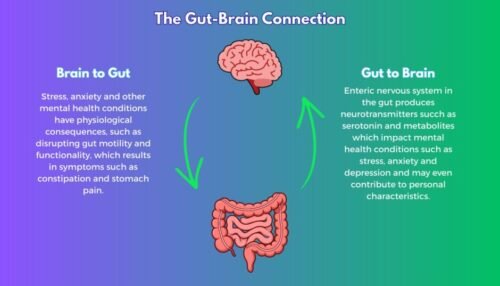
Your gut and your brain are in constant radio contact. They talk through a two-way network called the gut-brain axis, and when that line’s clear, everything runs smootherfocus, mood, reaction time, even motivation. A large proportion of the body’s serotonin — a key neurotransmitter linked to mood, motivation, and focus — is produced in the gut. That means when your digestion’s a mess, so is your headspace.

Illustration representing the connection between gut health, mental focus, and stress regulation during training.

The gut and brain are closely linked — when digestion is off, focus, mood, and motivation often follow.

The Hidden Link Between Focus and Fuel

Ever notice how training feels harder when your stomach’s off? That’s not coincidence. When your gut’s inflamed or out of balance, it sends stress signals to the brain, which cranks up cortisol — the stress hormone that wrecks sleep, recovery, and energy.

Athletes who master this connection get an edge that goes beyond muscle. They stay calmer under pressure, focus sharper, and recover faster because their body’s systems are aligned, not fighting each other. That’s why more and more high-level training environments now keep an eye on gut health — it often shows overload long before it’s felt mentally.

Treat your gut like a mental weapon. Keep it balanced, and it feeds your focus. Let it slip, and it becomes the saboteur in your own system. The sharper your gut, the sharper your game.

Practical Tips for Training

Gut health isn’t about miracle foods or fancy supplements — it’s about consistency. The same discipline that shapes your body should shape how you fuel it. Hydration, fibre, fermented foods, and balanced meals build the foundation. Your gut thrives on routine, not chaos, so what you eat — and when you eat — matters more than any single “superfood.”

Man drinking water to support hydration, digestion, and overall physical performance.

Simple habits done consistently support digestion, absorption, and recovery — hydration is the baseline.

Train It Like Everything Else

Your gut can be trained just like a muscle. Endurance athletes do it all the time — practising fuelling during long runs so their stomach learns to handle food under stress. You can do the same by keeping meal times consistent and avoiding sudden diet shifts. Treat your digestion like part of your programme, not a background process.

Keep your internal ecosystem alive and kicking with probiotic foods (yoghurt, kefir, kimchi, sauerkraut) and feed those microbes with prebiotics (bananas, oats, garlic, onions, legumes). Limit gut-killers like ultra-processed food, excess alcohol, and sugar — they wipe out your good bacteria faster than a bad night’s sleep.

Quick Gut Training Checklist

  • Hydrate daily.
  • Eat fermented food when available.
  • Add fibre-rich prebiotics regularly.
  • Limit sugar, alcohol, and processed foods.
  • Stick to consistent meal times.

Gut health isn’t complicated — it’s built through small, repeatable habits.

The results won’t show up overnight — your microbiome adapts over weeks, not days — but stay patient. When it stabilises, everything changes: energy, mood, focus, recovery. It’s not about dieting; it’s about building an internal system that supports your performance every damn day.

Closing – Training the Inside

If you want better performance, start where no one looksinside. Your gut is the foundation of everything: recovery, focus, energy, mood, immunity. It’s not glamorous, but neither is discipline.
Preparing gym equipment before training, symbolising how gut health and internal systems set the foundation for performance.

Strong gut health sets the conditions — training, focus, and recovery follow.

The System Beneath the System

The gut is your logistics network — the supply chain keeping your body operational. When it’s in sync, every rep, every meal, every hour of sleep hits harder. When it’s neglected, you’re constantly fighting drag. Training without gut awareness is like running a special forces op without securing your supply linefailure is only a matter of time.

Images representing strength training, endurance running, and combat sports, highlighting that performance across disciplines depends on shared internal systems.

Strength, endurance, or combat — preparation looks different, but performance in every discipline relies on the same internal systems, with gut health shaping how well everything else works.

Treat gut health like any serious training block: track it, maintain it, and protect it. Make it part of your routine, not an afterthought. The payoff is faster recovery, stronger immunity, sharper focus, and steadier performance — all the stuff people chase with supplements and never quite reach.

This is the next evolution of training — not just building the body, but fortifying the system behind it. More people are starting to pay attention. Now you know why. Gut health isn’t extra — it’s essential.

Related Posts

Other Posts

Leave a Reply

Your email address will not be published. Required fields are marked *

This site uses Akismet to reduce spam. Learn how your comment data is processed.

error: Content is protected !!

Join the Super Soldier Project Mailing List Today!!