
Plank Challenge. Core training. Abdominals. Functional Training. Super Soldier Project.

The Importance of Core Training

Every lift, sprint, twist, jump, and step starts in the same place: your core. Ignore it, and your performance collapses. Train it properly, and everything else becomes stronger, safer, and more efficient. Here’s the truth about what your core really does — and why you can’t afford to overlook it.

Table of Contents

🔥 Core Matters

The core is the foundation of human movement. Every time you lift, rotate, sprint, brace, balance, or get up off the floor, your core decides whether that movement is powerful and efficient — or weak and injury-prone. But it remains the most misunderstood and frequently neglected area of training.

Your core isn’t just the visible abs. It’s a network of deep stabilising muscles wrapped around the spine, ribcage, and pelvis that keep your body aligned, resist external forces, and transfer power between the upper and lower body. When this system works, you move well. When it doesn’t, posture collapses, back pain appears, and performance drops.

This guide breaks down what the core really is, why modern life weakens it, and how to train it properly.

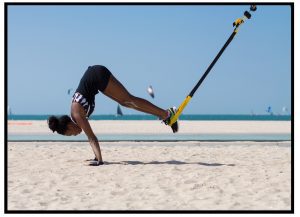
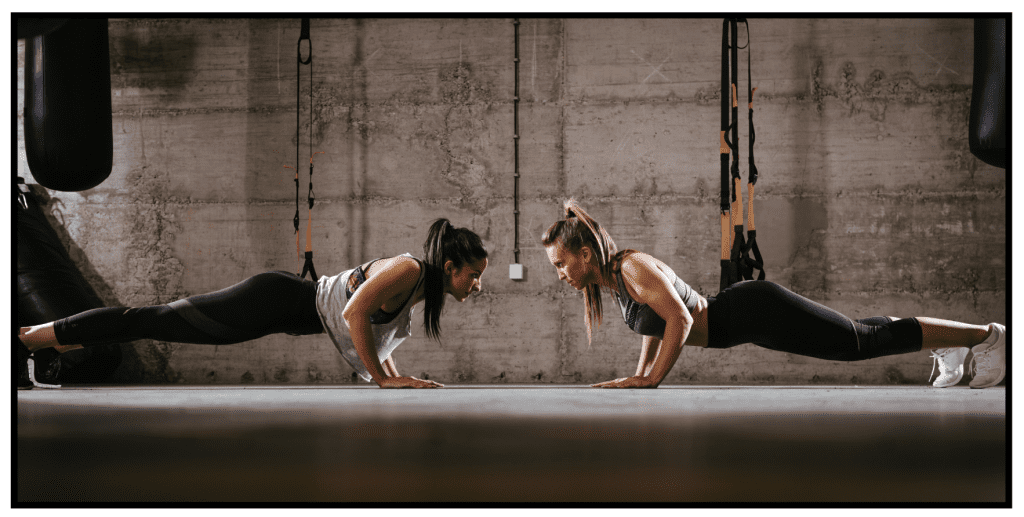
Holding a plank position. Core isometric exercise. Super Soldier Project.

Holding a plank position. Core isometric exercise.

🧱 What the Core Actually Is

The core is not one muscle but an integrated system. It wraps around the midsection like armour, linking the spine, pelvis, and ribcage into one functional unit. These muscles work together to create stability, maintain alignment, and allow efficient transfer of force during movement.

Rather than thinking of the core as the abs, it’s better viewed as the body’s structural centre — the point where power is generated, transmitted, and controlled. A strong core lets your limbs produce maximum force without leaking energy. A weak or uncoordinated core does the opposite: movement becomes inefficient, posture deteriorates, and stress shifts into joints that aren’t designed to take it.

In simple terms: if your core works, your whole body works. If it doesn’t, nothing performs the way it should.

⚙️ Intrinsic vs Global Core

The core works as two interconnected systems: the intrinsic core and the global core. Understanding the difference is the key to training it properly.

The intrinsic core is your deep stabilising unit — the diaphragm, transverse abdominis, pelvic floor, and multifidus. Together, they form a pressurised cylinder around the spine. When these muscles contract in sync, they create intra-abdominal pressure, your internal weight belt. This pressure stabilises the spine before any proper movement takes place.

The global core is the outer, larger musculature — the rectus abdominis, obliques, erector spinae, and glutes. These muscles generate movement, resist external forces, and transfer power between the upper and lower body.

When the intrinsic core maintains pressure and the global core adds force and control, movement becomes stronger, safer, and far more efficient. When either system fails, the entire chain breaks down, leading to poor posture, energy leaks, and greater injury risk.

🫀 Core Anatomy

Front, Back, and Everything in Between

The core can be divided into two broad groups: the anterior core at the front and sides, and the posterior core at the back. Both must work together to stabilise the body and generate efficient movement.

Anterior Core Muscles

These muscles control flexion, rotation, and internal pressure.

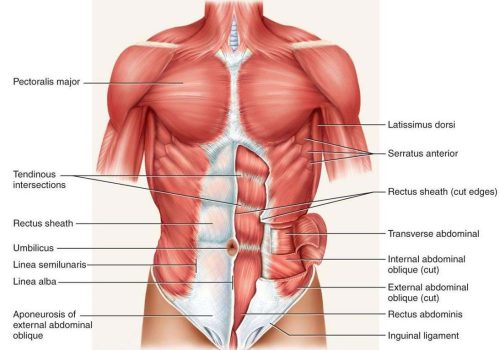
  • Rectus Abdominis – The classic six-pack muscle; controls trunk flexion and resists extension.
  • Transverse Abdominis – Deep stabiliser wrapping horizontally around the midsection; crucial for intra-abdominal pressure.
  • Internal & External Obliques – Handle rotation, resist lateral forces, and stabilise the ribcage and pelvis.
  • Pelvic Floor – Supports abdominal organs and works with the diaphragm and deep abs to maintain stability.
  • Hip Flexors – Influence hip mechanics and posture; dysfunction often links to lower-back strain.
  • Diaphragm – The top of the intrinsic core cylinder; essential for breathing and bracing.
Core Muscles. Core training. Core strengthening.

Anterior core muscles.

Posterior Core (Back + Glutes):

These muscles control extension, hip power, and overall spinal integrity.

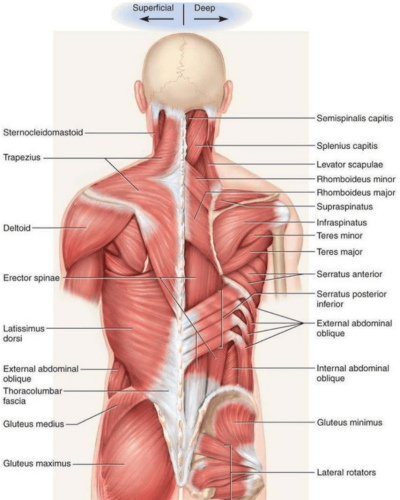
  • Erector Spinae – Maintain spinal alignment and resist flexion.
  • Multifidus – Deep spinal stabiliser, crucial for segmental control.
  • Quadratus Lumborum – Stabilises the lower spine and resists lateral movement.
  • Gluteus Maximus, Medius, Minimus – Major drivers of hip strength, stability, and power — essential for locomotion and lifting.
Posterior Core Muscles. Core training. Core strengthening.

Posterior core muscles.

Together, these muscles don’t just create movement — they control it. When they coordinate effectively, the spine stays protected, posture stays strong, and force transfers cleanly through the entire kinetic chain.

🔒 How the Core Works

Stability, Bracing & Pressure

A strong core isn’t about bending or crunching — it’s about stability. Before you lift, sprint, twist, jump, or absorb impact, your core’s first job is to create a solid foundation for movement. It does this through a coordinated process known as bracing.

Bracing happens when the diaphragm, pelvic floor, transverse abdominis, and deep spinal stabilisers contract together to create intra-abdominal pressure — an internal “weight belt” that stabilises the spine.

When bracing is done correctly:

  • The spine stays neutral and protected.
  • The ribcage and pelvis stay aligned.
  • The limbs produce more power with less wasted energy.
  • Lifts become safer and stronger.

Running, jumping, striking, and grappling become more efficient.

When bracing is weak or inconsistent, force leaks out of the system. The spine compensates, posture breaks down, and joints absorb stress they were never designed to handle.

This is why the core must be trained as a stability system, not simply as a group of muscles that flex the trunk. True strength starts at the centre — and so does true protection.

📱 Why Modern Life Weakens the Core

A weak or underactive core shows up long before pain arrives. Most people overlook the warning signs, but the body gives clear indicators that the system isn’t doing its job.

Poor posture. lower back pain. Core strengthening.

Lower back pain resulting from a poor seated posture.

Signs of Poor Core Strength and Stability

Common signs of poor core strength and stability include:

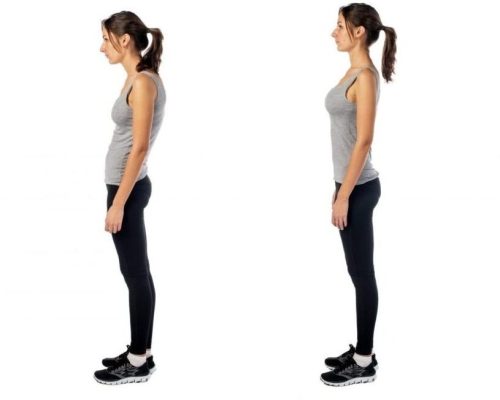
  • Poor posture – Rounded shoulders, forward head, or an inability to sit or stand tall without effort.
  • Lower-back pain – The spine compensates when the deep stabilisers aren’t providing support.
  • Hip or knee discomfort – Force isn’t transferring cleanly through the kinetic chain.
  • Balance issues – Difficulty maintaining stability during single-leg work or dynamic movements.
  • Weak lifting performance – Trouble generating power, especially in compound lifts.
  • Fatigue during bracing – Core muscles tire quickly during planks, carries, or heavy lifts.
  • Inefficient movement – “Energy leaks” when running, jumping, or changing direction.
  • Poor landing mechanics – Knees collapsing, hips shifting, or loss of alignment on impact.
Examples of Core Exercises. Core training. Core strengthening. Super Soldier Project.

A weak core can create poor posture such as slumped shoulders.

These signs don’t just indicate weakness — they highlight a lack of control. A strong core isn’t just about strength; it’s about stability, endurance, and coordination across everything you do.

🚫 Core Training Mistakes to Avoid

Most people train their core the wrong way: too much movement, not enough stability, and zero understanding of how the system actually works. These are the mistakes that hold athletes back and keep everyday lifters stuck in pain cycles.

Examples of Core Exercises. Core training. Core strengthening. Super Soldier Project.

Lower back pain and injury are very common. A good core strengthening program can bolster these areas. 

Click on the links below for key mistakes to make with core training.

Endless crunches and sit-ups overdevelop the rectus abdominis while neglecting the deeper stabilisers and the posterior chain. This creates imbalance, poor posture, and increased spinal stress.

Weak glutes, erectors, and QL muscles leave the spine unsupported. Without posterior strength, bracing collapses and lower back pain becomes almost inevitable.

The core’s main job is to resist movement, not create it. Training should emphasise anti-extension, anti-rotation, and anti-lateral flexion, not just flexion-based exercises.

If you can’t create intra-abdominal pressure, you can’t stabilise. Poor breathing mechanics undermine strength and make lifting riskier.

Core endurance is vital for maintaining posture and stability under fatigue. If the core tires quickly, technique breaks down — especially in running, lifting, and combat sports.

Core work isn’t meant to sit on its own island. It must integrate with hip mechanics, upper-body control, and whole-body movement patterns.

Avoiding these mistakes isn’t about aesthetics — it’s about building a body that moves efficiently, performs powerfully, and stays injury-resistant.

🧩 The Core Training Pillars

A strong, functional core is built on stability, not endless reps of crunches. The most effective core training follows four key principles: resisting movement, maintaining alignment, and building strength that transfers into real-world performance.

Click on the links below for pillars of intelligent core training:

Exercises that prevent the lower back from arching.
Examples: dead bugs, RKC planks, stability-ball rollouts.
Purpose: Protect the spine, train the deep anterior core, improve bracing.

Exercises that stop the torso from twisting under load.
Examples: Pallof press, cable holds, landmine variations.
Purpose: Improve force transfer, improve hip-to-shoulder control, protect the lower back.

Exercises that resist side-bending.
Examples: suitcase carries, side planks, offset holds.
Purpose: Strengthen obliques, stabilise the spine during unilateral movements.

Exercises that link the core and glutes during bending patterns.
Examples: Romanian deadlifts, glute bridges, bird dogs.
Purpose: Train posterior chain control, protect the lumbar spine.

Walking under load with good alignment.
Examples: farmer’s walks, rack carries, overhead carries.
Purpose: Full-body stability, posture reinforcement, grip and shoulder integration.

Together, these pillars create a core that’s not just strong on the floor — but strong in every lift, every sprint, and every functional movement you perform.

Core Exercises. Mountain Climbers. Core training. Core strengthening.

Core Exercises. Mountain Climbers.

💥 Why Core Strength Actually Matters

A well-trained core changes everything. It’s not just about looking lean or “having abs” — it’s about moving with power, protecting the spine, and performing at a higher level in every physical task.

A strong, stable core delivers:

The spine stays neutral, the pelvis stays controlled, and the ribcage stays stacked — reducing stress on the back, hips, and knees.

The limbs can only produce as much force as the core can transmit. Build a strong centre, and every lift gets stronger.

Running, jumping, striking, grappling, rotating, and changing direction all become more efficient. Less wasted energy, more control.

A stable trunk protects the spine from flexion, torsion, and compression. It also improves landing mechanics and joint stability across the entire body.

Walking, lifting, carrying, climbing, and even breathing become smoother and more efficient when the core does its job.

Getting out of bed, lifting groceries, climbing stairs, and staying pain-free all depend on the strength and coordination of your midsection.

Together, these pillars create a core that’s not just strong on the floor — but strong in every lift, every sprint, and every functional movement you perform.

🏁 Final Thoughts

A strong core isn’t optional — it’s the foundation of every movement you make. When the intrinsic and global core systems work together, the body becomes more stable, more powerful, and far less vulnerable to injury. When they don’t, posture breaks down, energy leaks, and the spine takes the hit.

Train your core for stability, not just aesthetics. Focus on bracing, pressure, alignment, and the anti-movement pillars. Build a centre that supports strength, protects your back, and improves the way you move through the world.

A strong core doesn’t just make you better in the gym — it makes you better everywhere.

If you have enjoyed this post please share or feel free to comment below 🙂

Related Posts

Our Other Posts

Leave a Reply

Your email address will not be published. Required fields are marked *

This site uses Akismet to reduce spam. Learn how your comment data is processed.

error: Content is protected !!

Join the Super Soldier Project Mailing List Today!!