This post looks at the benefits of cold water immersion — a simple practice used for centuries to harden the body, clear the mind, and sharpen a person’s ability to function under stress. The cold isn’t about comfort or wellness trends. It’s a tool for building resilience, discipline, and clarity when it matters.
Table of Contents
❄️ The Cold Reborn
Exploring the Power of Cold Water Immersion
In a world obsessed with warmth, softness, and convenience, cold water immersion stands as one of the last honest tests a person can take. On the surface, it looks ridiculous. Why would anyone in their right mind step into water that feels like a physical threat?
This post breaks down why cold immersion endures across cultures — from ancient purification rites to hydrotherapy to the modern methods popularised by Wim Hof. No hype, no mysticism. Just a simple stressor that works because it demands a real response from your body and your mind.
The cold doesn’t pretend to be pleasant. That’s exactly why it’s effective.
🌍 A Brief History of Cold Immersion
Long before ice baths filled modern gyms and social media feeds, cold water was a ritual of purification, endurance, and renewal. Different cultures approached it in their own ways, but the underlying idea remained the same: controlled exposure to the elements makes you stronger.
Finland
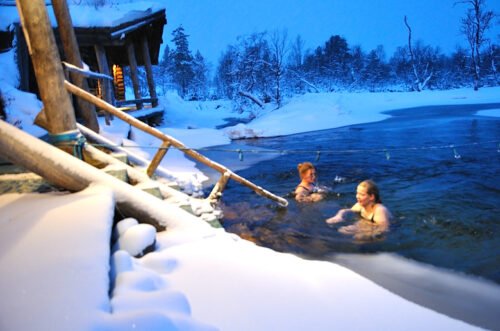
In Finland, alternating between sauna heat and frozen lakes has been a national practice for centuries — not for bragging rights, but for circulation, recovery, and mental clarity. It’s a cultural baseline: heat, cold, reset.
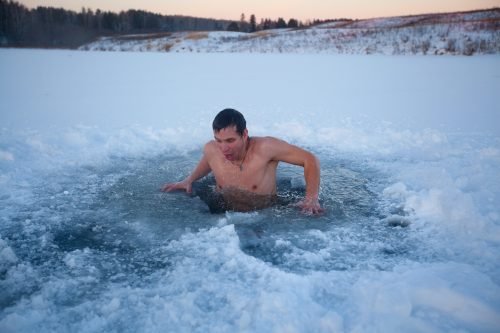
The Finnish Ice bath/Sauna experience.
Native American
Across the Atlantic, Cherokee and other Native American tribes paired sweat lodges with cold river immersion as part of physical and spiritual cleansing. Moving between extremes symbolised release, renewal, and readiness.
Russia
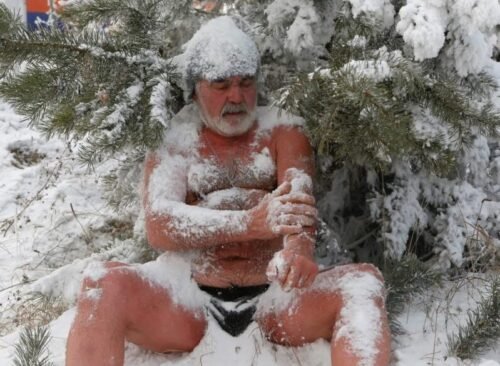
In Russia, plunging into ice-covered rivers during winter festivals wasn’t seen as punishment. It was believed to strengthen the immune system and clear the mind. The Russian Banya still follows that sequence: steam, snow, shock, recovery.
The no-nonsense Russian approach.
Japan
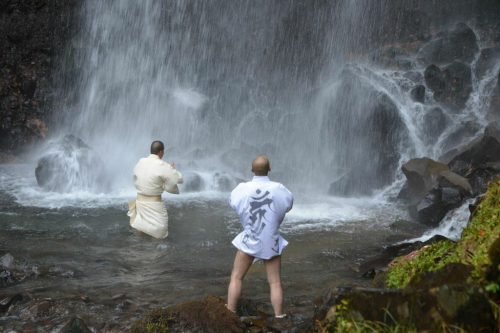
Meanwhile in Japan, practitioners of Shinto developed Misogi — standing under icy waterfalls in a state of focused breathing and silence. It wasn’t about toughness for its own sake, but about washing away distraction and sharpening intent.
Japanese Shinto Monks.
Long before ice baths filled modern gyms and social media feeds, cold water was a ritual of purification, endurance, and renewal. Different cultures approached it in their own ways, but the underlying idea remained the same: controlled exposure to the elements makes you stronger.
💧 Hydrotherapy and the Science of Shock
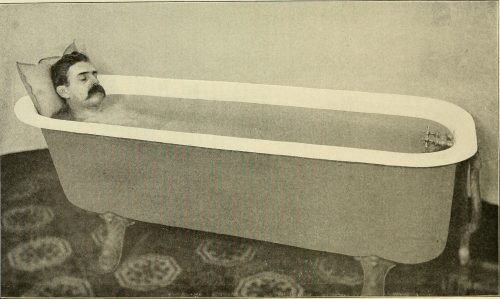
By the 19th century, cold immersion reappeared in a structured medical form known as hydrotherapy. Practitioners like Vincenz Priessnitz used alternating hot and cold treatments to improve circulation, reduce inflammation, and speed recovery. It wasn’t mystical — it was early physiology, even if they didn’t have the modern terminology.
The core idea was simple: short bursts of controlled cold stress make the body adapt.
Cold exposure triggers vasoconstriction, elevates heart rate, sharpens the nervous system, and increases blood flow once the body reheats. Modern research now confirms what those early practitioners observed:
Reduced inflammation.
Faster recovery.
Improved immune response.
Enhanced circulation.
Activation of brown fat for heat generation.
Hydrotherapy. Humble beginnings.
Hydrotherapy didn’t persist because it was fashionable. It persisted because the body responds predictably to cold — and those responses are beneficial.
🧊 The Wim Hof Revolution
The Iceman’s Challenge
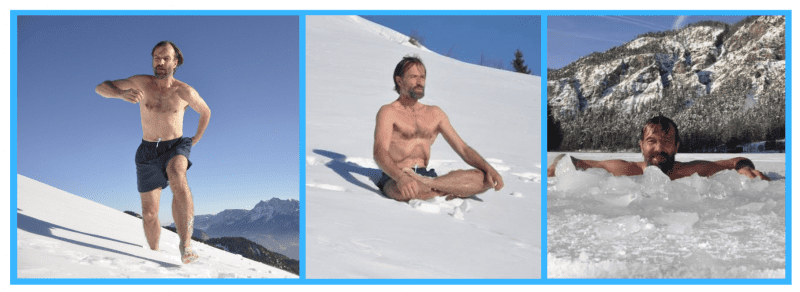
Modern cold immersion owes much of its resurgence to Wim Hof — the Dutch athlete whose extreme feats earned him the name The Iceman. Running a half marathon barefoot above the Arctic Circle, climbing Kilimanjaro in shorts, and sitting encased in ice for nearly two hours forced researchers to take notice.
From those demonstrations came the Wim Hof Method (WHM): cold exposure, breathwork, and focused attention.
Nothing mystical. Nothing abstract. Just deliberate stress paired with conscious control of the breath and mind.
Extreme athlete Wim Hoff.
A Method Backed by Physiology
The method mirrors older practices like Tummo and yogic pranayama, but Hof’s contribution was making these principles accessible to everyday people — and backing them with measurable physiological effects. Studies have shown that his approach can influence the autonomic nervous system, reduce inflammatory markers, and improve stress tolerance.
Hof’s message is straightforward: use controlled discomfort to build capacity. The cold isn’t an obstacle — it’s a tool.
His work didn’t invent cold immersion, but it reintroduced it to a modern audience raised on comfort. And for many, it was the first reminder that the body can do far more than we assume when given the right stimulus.
🫀 The Benefits of the Cold – The Body
Cold exposure acts as a controlled stressor — a simple form of hormesis. When cold receptors in the skin activate, the body shifts instantly into protection and adaptation mode.
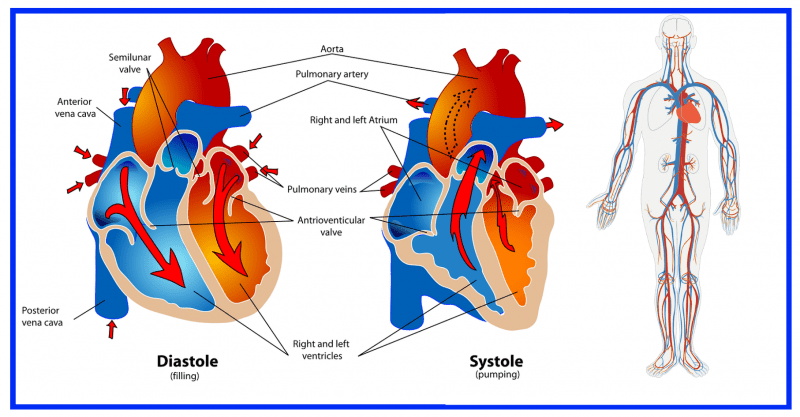
The first response is vasoconstriction: blood moves away from the extremities and toward vital organs. When you warm up again, circulation rebounds, creating a natural “pump” effect that improves vascular health over time.
Circulation benefits. Cold water emersion can improve blood vessel dilation/contraction and blood flow.
Regular cold immersion has been linked to:
Improved vascular function: stronger blood vessels and better circulation.
Reduced inflammation and joint pain: helpful for recovery and mobility.
Faster muscle repair: a decrease in DOMS and post-training fatigue.
Enhanced immune activity: including increased white blood cell mobilisation.
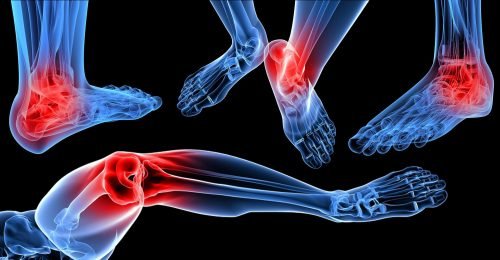
Cold water baths are known to help with reducing muscle and joint inflammation.
Cold exposure also activates brown adipose tissue (BAT) — metabolically active fat that burns energy to generate heat. Over time, this can support modest fat loss and improve metabolic efficiency.
None of this relies on extremes. Just brief, consistent exposure. Small stress, big return.
🧠 The Benefits of the Cold – The Mind
Sharper Focus, Faster Response
The mental effects of cold immersion are often the most noticeable. The instant shock triggers the sympathetic nervous system, increasing alertness, reaction speed, and overall mental sharpness.
As the body adapts, levels of dopamine and norepinephrine rise — creating a clear, focused state without the jittery edge of caffeine. Many people describe it as a reset: a hard cut through mental fog and sluggishness.
The silent killer. Cold showers can be beneficial in lifting downward swings in mood.
Mood, Motivation, and Mental Stability
Cold exposure also influences mood. The skin contains a dense network of cold receptors that send rapid electrical signals to the brain. This stimulation activates neurotransmitter pathways linked to motivation and mood stability, which is why cold immersion has been studied as a complementary tool for improving symptoms of low mood and depression.
The benefits aren’t abstract:
Sharper focus.
Improved stress tolerance.
Greater emotional stability.
Reduced mental fatigue.
The cold forces you to control your breathing, stay present, and override instinctive resistance — skills that carry directly into training, work, and daily stress.
Cold water doesn’t just wake you up. It clears the noise.
⚡ Performance and Endurance
Training Under Stress
Athletes have used cold exposure for decades to manage recovery, but its impact isn’t limited to muscles and joints. Regular immersion conditions the stress-response system itself — teaching the body to stay controlled under pressure and the mind to stay composed during discomfort.
This has clear carryover into training:
You learn to regulate your breathing under stress.
You recover faster between sessions.
You become less reactive to physical discomfort.
Your energy levels stabilise across the day.
Building Capacity, Not Just Recovery
Cold immersion also improves parasympathetic recovery, helping the body drop out of fight-or-flight more efficiently. Over time, many people report reduced breathlessness during conditioning work and better endurance during longer sessions.
The key adaptation is simple: your body gets used to doing hard things without panicking.
Cold exposure doesn’t build fitness directly, but it builds the capacity to train harder, recover faster, and stay focused when fatigue sets in. The physiological stress is brief — the performance gains accumulate.
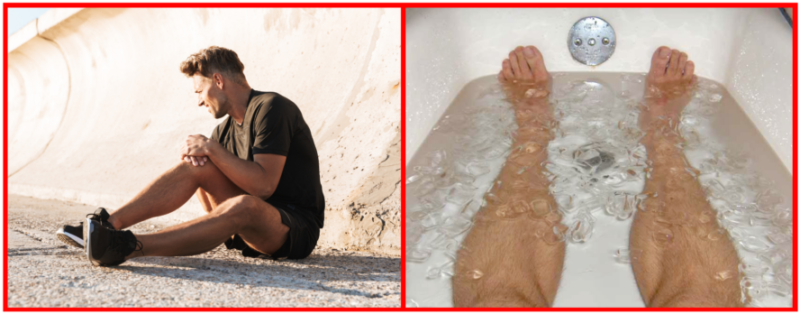
Suffering from muscle soreness post training? You know what you have to do!
🔎 Field Test – Observed Effects
Regular cold exposure produces a few consistent effects that show up quickly in real-world use. The first is alertness. Even short cold showers create a noticeable rise in wakefulness and mental clarity, often sharper and longer-lasting than caffeine. Circulation increases, breathing deepens, and the nervous system switches on.
Cold exposure in the evening can work differently. The drop in core temperature after the session helps some people fall asleep faster, with improvements in REM quality reported in those who struggle with mild insomnia or racing thoughts at night.
Training performance also shifts. Over time, most people notice:
Better tolerance to discomfort.
Reduced breathlessness during conditioning.
Faster recovery between sessions.
A calmer, more controlled response to physical stress.
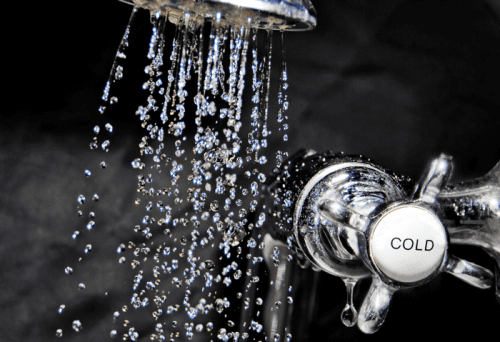
First contact. Turning the cold water flow up by a notch.
None of these changes are dramatic on their own, but together they create a clear pattern: regular cold exposure sharpens the system and improves how the body handles effort, fatigue, and stress.
How to Start – Gradual Exposure
Cold immersion works best when you build into it. Going straight into extreme temperatures isn’t necessary — or useful. The goal is controlled stress, not shock.
A simple progression:
Start with contrast showers. Begin warm, then finish cold for 15–30 seconds. Focus on steady breathing rather than bracing or tensing up.
Extend the cold phase gradually. Add 10–15 seconds each session until you can stay relaxed for 2–3 minutes without panicking or tightening your shoulders.
Move to cold baths or immersion. Once you feel comfortable with cold showers, try a cold bath for 2–5 minutes. It doesn’t need to be ice-cold — cool water is enough to trigger the response.
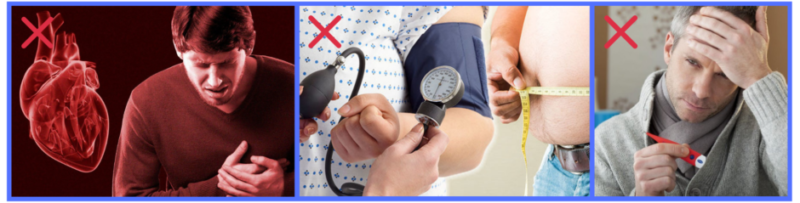
Cold exposure is not recommended for people with heart disease, severe hypertension, or acute illness. When in doubt, get medical guidance before starting.
Consistency matters more than intensity. Small doses, repeated often, produce the strongest adaptation.
Contraindications. Give the cold showers a miss if you suffer from any of the above.
🧭 Final Thoughts – Embrace the Cold
Cold water immersion isn’t about chasing extremes or proving toughness. It’s a simple tool that works because it asks the body and mind to respond honestly. No comfort, no shortcuts — just a brief moment of controlled stress that delivers clarity, recovery, and resilience.
The cold strips things back. It removes the noise and hesitation that build up through routine and comfort. What’s left is focus, breath, and a nervous system that’s more responsive to the day ahead.
Whether it’s a cold shower after training or a few minutes in a cold bath, the principle is the same: small, consistent exposure creates meaningful change.
The cold won’t make life easier. But it will make you better equipped to handle it.
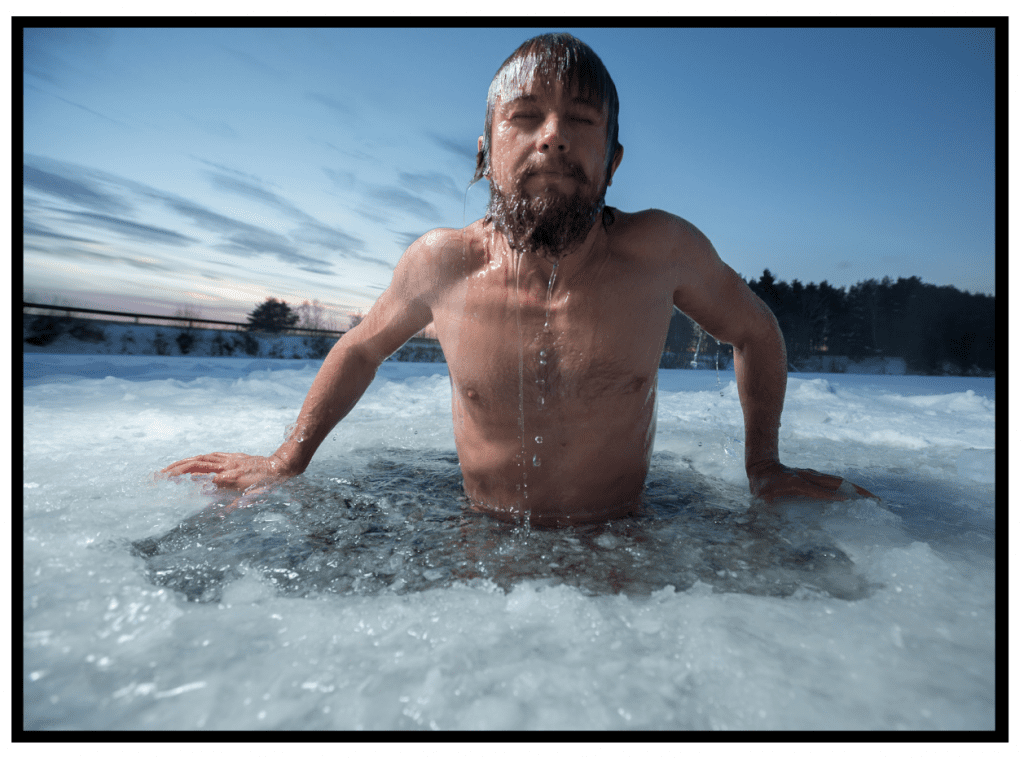
No guts, no glory.
🗝️ Key Takeaways – Train with the Cold
Start Small: Begin with short cold finishes to showers. Let your breathing stay calm before increasing duration.
Stay Consistent: A few minutes daily is more effective than occasional extreme sessions.
Use It for Recovery: Cold exposure helps reduce inflammation, ease soreness, and stabilise your heart rate after training.
Harness Hormesis: Brief, controlled stress helps strengthen cardiovascular, metabolic, and immune function over time.
Build Mental Control: Facing discomfort regularly teaches composure under pressure — useful in training and everyday stress.
Pair with Breathwork: Steady breathing improves your ability to stay relaxed and increases the benefits of immersion.
Be Aware of Contraindications: Those with heart or vascular conditions should get medical advice before starting.
If you have enjoyed this post please share or feel free to comment below 🙂